Exploring housing market and urban densification during COVID-19 in Turkey
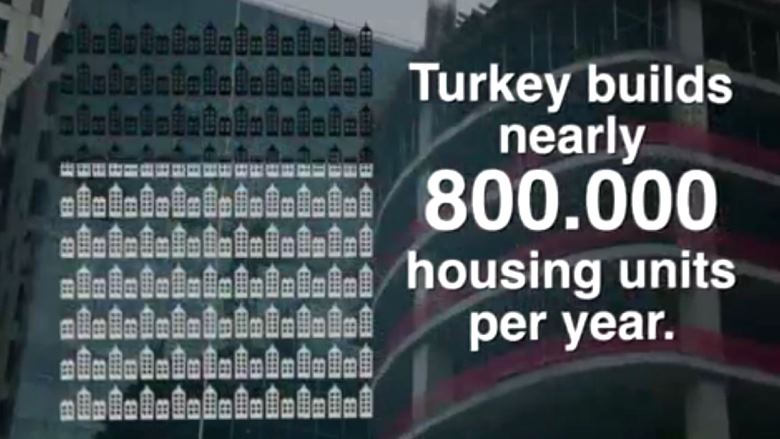
The document titled "Exploring Housing Market and Urban Densification During COVID-19 in Turkey" analyzes the effects of the COVID-19 pandemic on Turkey's housing market and urban development. It examines how the pandemic has influenced housing demand, prices, and urban density, as well as the government's responses to these challenges.
Background
Turkey's housing market has been significantly impacted by the COVID-19 pandemic, which has altered consumer behaviors and preferences. The pandemic prompted a reassessment of urban living conditions, leading to changes in housing demand and urban planning. This document aims to provide insights into these dynamics and their implications for future housing policies.
Key Findings
1. Changes in Housing Demand
The pandemic has led to shifts in housing demand, with an increased preference for larger living spaces and properties with outdoor areas. As remote work became more prevalent, many individuals sought homes that could accommodate both living and working needs. This trend has driven demand for suburban and rural properties, as people prioritize space over proximity to urban centers.
2. Rising Housing Prices
Despite the economic uncertainties caused by the pandemic, housing prices in Turkey have continued to rise. The document highlights that this increase can be attributed to several factors:
- Supply Chain Disruptions: The pandemic disrupted construction activities and supply chains, leading to delays in new housing projects. This reduction in supply has contributed to upward pressure on prices.
- Increased Demand: The shift in consumer preferences towards larger homes has intensified competition for available properties, further driving up prices.
- Inflation: Turkey has experienced high inflation rates, which have also impacted housing costs.
3. Urban Densification
The document discusses how urban densification trends have been affected by the pandemic. While there was a pre-existing trend toward increasing urban density, the pandemic has prompted some reconsideration of this approach. As people seek more space and better living conditions, there is a growing debate about the sustainability of high-density living arrangements.
4. Government Policies and Interventions
In response to the challenges posed by the pandemic, the Turkish government implemented various policy measures aimed at stabilizing the housing market. These included:
- Financial Support Programs: The government introduced financial assistance programs for low-income households to help them cope with rising rents and housing costs.
- Regulatory Adjustments: Temporary regulations were enacted to protect tenants from eviction during the crisis, reflecting a recognition of the need for social safety nets amid economic instability.
Challenges Identified
Despite these efforts, several challenges remain:
- Affordability Crisis: Many low-income families continue to struggle with housing affordability as prices rise faster than wages. The document emphasizes that without targeted interventions, these households may face increasing levels of housing insecurity.
- Informal Housing Sector: A significant portion of Turkey's housing market operates informally, making it difficult for policymakers to implement effective regulations or provide support to vulnerable populations.
- Long-Term Implications: The long-term effects of the pandemic on urban planning and housing markets are still uncertain. Policymakers must consider how shifting preferences will shape future development.
Recommendations
To address these challenges effectively, the document proposes several recommendations:
- Enhancing Affordable Housing Supply: The government should prioritize investments in affordable housing projects that meet the needs of low-income families and vulnerable groups.
- Promoting Sustainable Urban Development: Urban planning should incorporate sustainability principles that balance density with quality of life considerations. This includes creating green spaces and ensuring access to essential services.
- Strengthening Tenant Protections: Ongoing protections for tenants should be established to prevent evictions and ensure housing stability during economic downturns.
- Encouraging Community Engagement: Involving local communities in urban planning processes can lead to more responsive policies that reflect residents' needs and preferences.
Conclusion
In conclusion, "Exploring Housing Market and Urban Densification During COVID-19 in Turkey" highlights the complex interplay between the pandemic and Turkey's housing market dynamics. While there have been shifts in demand and rising prices, significant challenges remain regarding affordability and access to adequate housing. The document underscores the importance of proactive government policies that prioritize affordable housing solutions while fostering sustainable urban development. By addressing these issues comprehensively, Turkey can better navigate the ongoing impacts of COVID-19 on its housing landscape and work towards a more equitable future for all residents.
Further reading:
Products Offered by State Housing Finance Agencies
Why Did Housing Prices Rise to a Record Level in Turkey? An... sciendo
Impacts of the COVID-19 pandemic on private rental housing prices in ... link.springer
