Conceptualising and measuring the housing affordability problem
Introduction
Planning regulations significantly impact the provision of affordable housing, with land use policies being a key determinant of housing supply and prices. Over the past four decades, there's been a move away from direct government-provided housing toward a more diverse system. This approach relies on planning mechanisms to ensure enough affordable homes are available for low and moderate-income earners. This document explores the function of planning in affordable housing, concentrating on
inclusionary zoning – a method intended to generate affordable housing and encourage social integration. It offers an overview, analyses the controversies, and highlights the benefits and challenges of this approach.
Planning and its Impact on Housing Affordability Problem
The planning system is the first step in housing development. Its regulatory function, which includes zoning restrictions and development controls, has a big effect on housing costs. Land use planning dictates the availability of residential land, impacting where, when, and how new housing is developed, and how much it costs. Governments use these planning regulations to place affordable housing requirements on private developers.
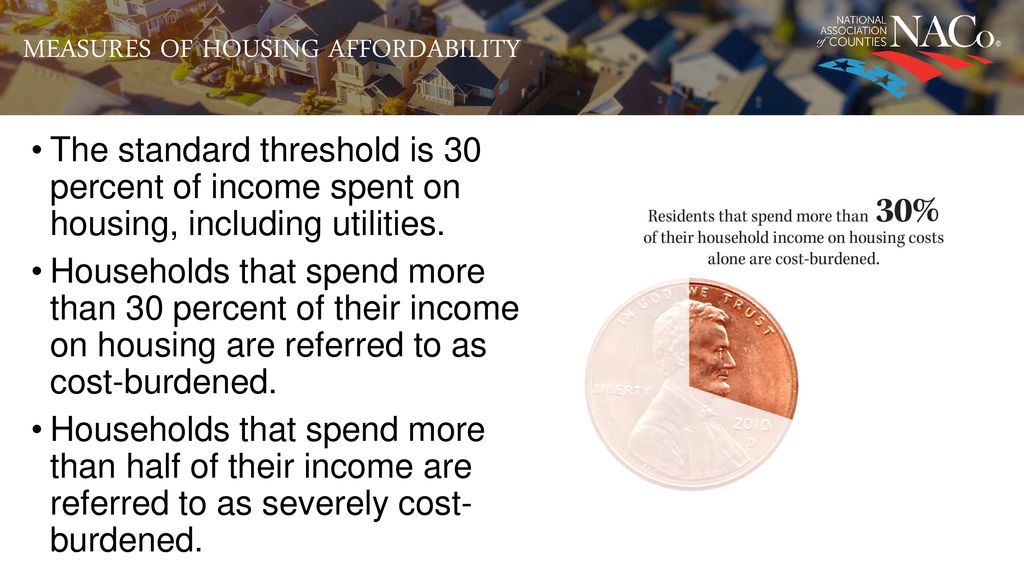
Housing affordability is about the relationship between housing costs and a household's income. Housing is deemed affordable when low to middle-income households spend a reasonable amount of their earnings on housing. However, the effectiveness of planning mechanisms can differ depending on market conditions.
Inclusionary Zoning Explained to Address Housing Affordability Problem
Inclusionary zoning, also known as inclusionary housing, is a planning tool designed to create affordable housing and encourage social inclusion by using market resources. It works on the idea of
implicit cross-subsidy, where developers of market-rate housing must include a certain number of affordable units, or give funding to support affordable housing development. This system often offers incentives, such as increased building density or reduced fees.
The main aim of inclusionary zoning is to integrate affordable housing into the wider community, using market forces to encourage affordable housing production. This aims to prevent the segregation of affordable housing, create diverse housing options, and promote integration and job access for low to middle-income people. Local authorities generally manage inclusionary zoning programs, using legal requirements combined with economic incentives.
The Global Spread of Inclusionary Zoning to Solve Housing Affordability Problem
Inclusionary zoning first appeared in the early 1970s in Washington, USA. It has since become a key tool for providing affordable housing in many countries, including Western Europe and Canada in the 1990s and more recently, South Africa, Israel, India, and New Zealand. This expansion is due to factors like rapidly increasing housing costs, reduced funding for social housing and a greater interest in social integration. While common in the USA, England, and Canada, it is less so in developing countries, though there are exceptions in fast-growing economies like Malaysia, China, India and South Africa.
The Debates Around Inclusionary Zoning
Despite its increasing use, inclusionary zoning is not without controversy1. Critics question its efficacy, raising issues about housing production and social inclusion.
Housing Production Concerns to Address Housing Affordability Problem
- Impact on Market-Rate Housing: Critics suggest inclusionary zoning is a tax on development, leading to less housing production, higher prices, and slower development. They claim that the cost of affordable housing requirements is passed on to consumers and landowners, deterring private developers. However, evidence contradicts these claims. Inclusionary zoning does not impair development, and the development pace is determined by broader market forces. Studies show that well-designed programs with incentives can still secure developers’ profits. Housing prices are mainly determined by market demand, not development costs.
- Impact on Affordable Housing: Some argue that inclusionary zoning is not an effective way to create affordable housing. They suggest that it might make shortages worse by causing developers to increase market-rate housing prices. However, studies show that when well implemented, inclusionary zoning can create a considerable amount of affordable housing without needing public subsidies. It can double the total production of affordable housing. Case studies from around the world, such as the USA, Canada, the UK, and Italy, prove inclusionary zoning's viability as a tool to address global affordable housing issues.
Social Inclusion Concerns
- Critics argue that inclusionary zoning is not very good at achieving social integration, especially when affordable units are not built on-site1. However, those who support inclusionary zoning say that it inherently promotes socio-economic integration by giving low and moderate-income households access to better neighbourhoods1. It also counters exclusionary zoning practices.
- Some critics also say that inclusionary zoning programs do not help the lowest-income households1. However, programs can include options that allow local public housing authorities to purchase and operate some inclusionary zoning homes for the lowest-income renters.
The Challenges and Merits of Inclusionary Zoning to Solve Housing Affordability Problem
Despite the benefits of inclusionary zoning, it does face certain challenges. One major limitation is that affordable unit creation depends on policy requirements and local housing market conditions. Other challenges include the need for public funds, regulatory barriers, developer opposition, and community approval1. However, its advantages outweigh these challenges.
Inclusionary zoning is a market-based method to combat social exclusion in residential development1. It can ensure fair access to resources, encourage sustainable urban environments, strengthen communities, and stimulate economic growth.
Conclusion
Inclusionary zoning is a
valuable instrument for increasing the number of affordable homes and promoting social inclusion, but it must be implemented carefully. It can be particularly useful in strong housing markets seeking social equality and economic balance1. Successful implementation requires a comprehensive housing strategy, consideration of potential challenges, and implementation in strong and mature housing markets.
For further reading:
Towards a More Nuanced Approach to Measuring Housing …
Similar post on ACASH
