
Citi Bank’s Social Bond Framework for Affordable Housing
Introduction
Affordable housing is a critical issue in the United States, affecting millions of people who struggle to find safe, decent, and affordable homes. The lack of housing can lead to homelessness, financial instability, and a host of social and economic challenges. Recognizing the importance of addressing this issue, Citi, the leading global bank, has taken a significant role in promoting housing through its financial products and services. With approximately 200 million customer accounts and operations in over 160 countries and jurisdictions, Citi is uniquely positioned to make a substantial impact on this critical area. This article explores Citi's leadership in housing, its achievements, and the broader implications for communities across the nation.
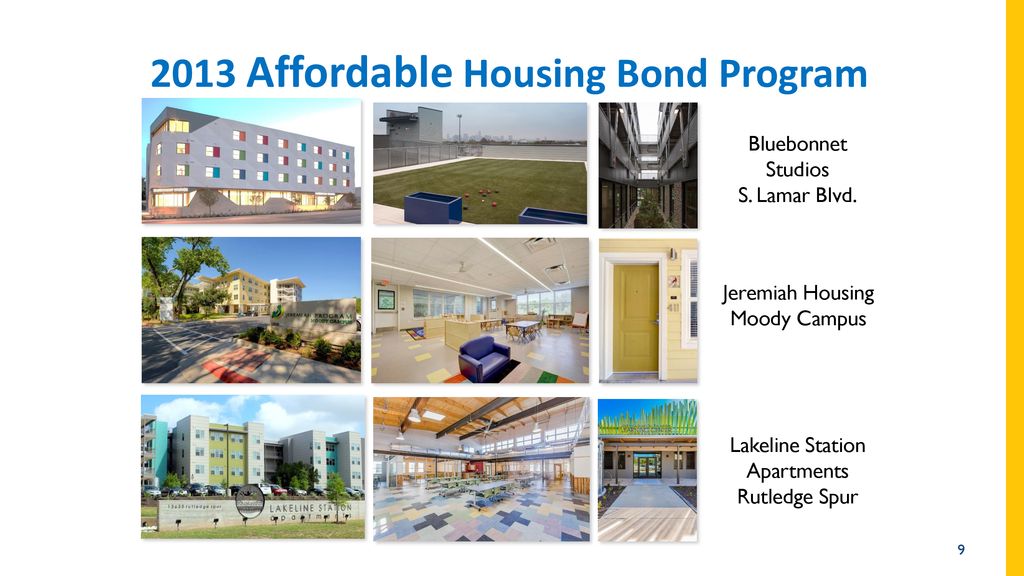
Citi's Leadership in Affordable Housing
A Decade of Commitment
Citi has been the largest affordable lender in the United States for ten consecutive years, a testament to its unwavering commitment to this cause. This leadership role is not just a title but a reflection of the bank's active involvement and strategic initiatives aimed at increasing the availability of affordale housing for the nation's most vulnerable populations. By prioritizing affordable housing, Citi has set a benchmark for other financial institutions to follow, demonstrating that profitability and social responsibility can go hand in hand.
Financing Affordable and Supportive Housing
In 2019 alone, Citi financed over $6 billion in affordable and supportive housing projects across 29 states, territories (including Guam), and the District of Columbia. This substantial investment highlights Citi's dedication to creating tangible solutions for housing shortages. The projects financed by Citi range from single-family homes to large-scale apartment complexes, providing diverse housing options to meet the needs of different communities. By focusing on both affordable and supportive housing, Citi ensures that not only are homes available at reasonable costs, but they also come with the necessary support systems to help residents thrive.
Integrated Platform of Products
Citi's approach to affordable housing is comprehensive and multifaceted. The bank operates as the industry's most active institutional-scale community lending and investing operation, supporting both public and private housing developments. This support is facilitated through an integrated platform of products that includes project finance debt, tax credit equity, and municipal financings. Each of these financial instruments plays a crucial role in funding housing projects:
-
Project Finance Debt: This type of financing provides the necessary capital for the construction and development of housing projects. It allows developers to initiate projects without having to rely solely on their own funds, thus accelerating the development process.
-
Tax Credit Equity: Tax credit equity is a powerful tool that leverages federal and state tax credits to attract private investment. By converting tax credits into equity, Citi helps developers secure additional funding, making projects more financially viable.
-
Municipal Financings: Municipal bonds and other forms of public financing are essential for large-scale affordable housing initiatives. Citi's expertise in this area ensures that projects receive the necessary support from local governments and regulatory bodies.
Measurable Impact and Proven Results
Citi's impact in the housing sector is both measurable and significant. The social, economic, and financial results of its initiatives are well-documented and proven. By providing housing, Citi helps reduce homelessness and financial instability, leading to healthier and more stable communities. Economically, affordable projects stimulate local economies by creating jobs and increasing property values. Financially, Citi's investments yield positive returns, demonstrating the viability and profitability of sustainable housing initiatives.
Case Studies and Success Stories
To further illustrate Citi's impact, let's look at a few case studies and success stories:
-
Urban Development Projects: In major cities like New York and Los Angeles, Citi has financed the development of mixed-use affordable housing complexes. These projects not only provide housing but also include community centers, retail spaces, and green areas, enhancing the overall quality of life for residents.
-
Rural Housing Initiatives: In rural areas, Citi has supported the construction of single-family homes and small apartment buildings. These projects address the unique challenges of rural housing shortages, providing much-needed homes for local residents.
-
Supportive Housing Programs: Citi has also been instrumental in financing supportive housing programs that cater to vulnerable populations, such as the elderly, disabled, and formerly homeless individuals. These programs provide not only housing but also essential services like healthcare, counselling, and job training.
Broader Implications and Future Outlook
Community Development and Economic Growth
The availability of affordable housing is closely linked to community development and economic growth. By investing in affordable .housing, Citi is contributing to the revitalization of neighbourhoods, the creation of jobs, and the overall improvement of local economies. Affordable projects often lead to increased property values, reduced crime rates, and improved educational outcomes for children living in these communities. In this way, Citi's initiatives have far-reaching effects that extend beyond just providing homes.
Collaboration and Partnerships
Citi's success in affordable housing is also a result of its strong collaborations and partnerships with government agencies, non-profit organizations, and private developers. By working together, these stakeholders can leverage their respective strengths to create more effective and sustainable housing solutions. Citi's role as a financial partner is crucial in facilitating these collaborations, ensuring that projects have the necessary funding to move forward.
Future Challenges and Opportunities
Despite the progress made, the affordable housing crisis remains a significant challenge. Rising housing costs, increasing income inequality, and demographic shifts all contribute to the ongoing need for affordable housing. Citi's continued leadership in this area is essential, and the bank is well-positioned to address these challenges through innovative financial solutions and strategic partnerships. The future of affordable housing will require a combination of public and private efforts, and Citi's commitment to this cause will undoubtedly play a vital role in shaping the future of housing in the United States.
Conclusion
Citi's leadership in affordable housing is a shining example of how financial institutions can make a positive impact on society. By providing substantial financing and innovative financial products, Citi has helped increase the availability of affordable housing for millions of people across the United States. The social, economic, and financial benefits of these initiatives are clear, and they demonstrate the potential for sustainable and responsible business practices. As the affordable housing crisis continues to evolve, Citi's ongoing commitment and innovative approach will be crucial in addressing this critical issue and creating a more equitable and sustainable future for all.
For more information on Citi's affordable housing initiatives and their impact, you can visit the following external links:
These resources provide detailed insights into Citi's efforts and achievements in the affordable housing sector, highlighting the bank's ongoing commitment to creating positive social and economic change.