Impact Evaluation for Slum Upgrading Interventions
The document titled "
Impact Evaluation for Slum Upgrading Interventions" provides a comprehensive analysis of the effectiveness of various slum upgrading programs aimed at improving living conditions in urban slums. It emphasizes the need for rigorous evaluations to understand which interventions yield the best outcomes for residents living in these marginalized areas.
Further reading:
Evaluation of Slum Upgrading Programs: Literature Review and ... publications.iadb
An Analysis of the Impact of Slum Upgrading Programs on Urban ... bpasjournals
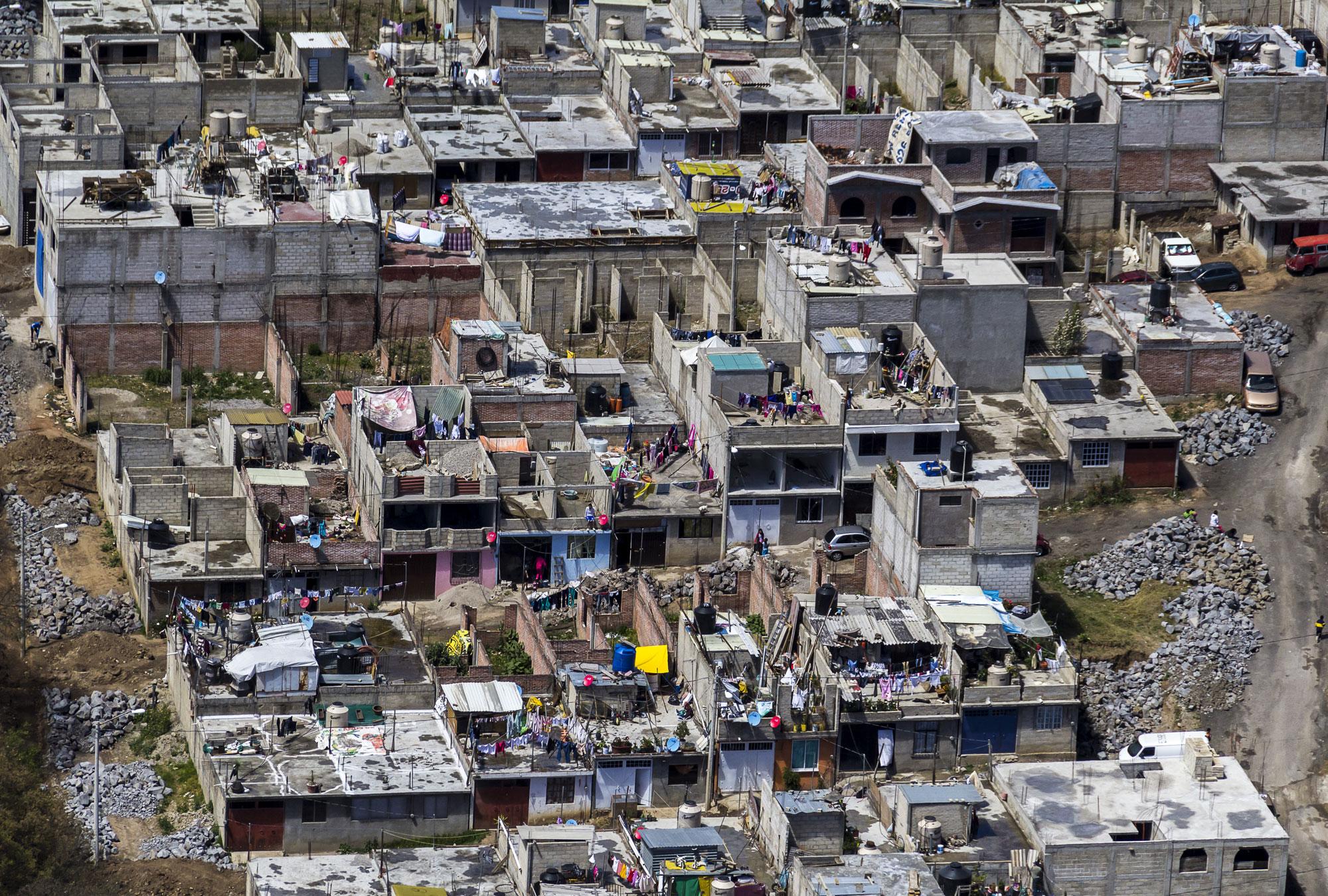
Overview of Slum Upgrading
Slum upgrading refers to a range of interventions designed to improve the quality of life for residents in informal settlements. These interventions can be categorized into
infrastructure improvements—such as water supply, sanitation, housing, and roads—and
social improvements, including health services, education, and community development programs. The document highlights that with urban populations increasing, the demand for effective slum upgrading initiatives is likely to grow.
Importance of Impact Evaluation
The report stresses the necessity of impact evaluations in assessing the effectiveness of slum upgrading projects. It argues that investments should be based on empirical evidence regarding which specific interventions are most effective in enhancing residents' welfare. Evaluations can help policymakers identify successful strategies and allocate resources more efficiently.
Methodological Approaches
The document outlines various methodologies for conducting impact evaluations, emphasizing both
quantitative and
qualitative approaches. Quantitative methods often involve statistical analyses to measure changes in socio-economic indicators before and after interventions. Qualitative methods may include case studies and interviews that provide deeper insights into community experiences and perceptions.
Key Evaluation Strategies
- Randomized Control Trials (RCTs): These are considered the gold standard for impact evaluation as they help establish causal relationships by comparing outcomes between treated and control groups.
- Quasi-Experimental Designs: When RCTs are not feasible, quasi-experimental methods can be employed to approximate experimental conditions.
- Mixed Methods: Combining both quantitative and qualitative approaches can provide a more comprehensive understanding of impacts.
Outcomes of Slum Upgrading
The document identifies several key outcomes that should be measured when evaluating slum upgrading interventions:
- Housing Quality: Improvements in physical structures and living conditions.
- Access to Services: Enhanced availability of basic services such as clean water, sanitation, and electricity.
- Economic Opportunities: Changes in employment rates and income levels among residents.
- Social Cohesion: The extent to which interventions foster community engagement and social networks.
Challenges in Evaluation
Evaluating slum upgrading interventions is complex due to several factors:
- Diverse Interventions: Different programs may have varying goals and methods, complicating comparisons.
- Data Limitations: Often, reliable data on socio-economic indicators is scarce or inconsistent.
- Long-Term Impact Measurement: Assessing the sustainability of improvements over time poses additional challenges.
Recommendations for Future Evaluations
The report concludes with several recommendations aimed at improving future evaluations:
- Standardized Indicators: Developing a set of standardized indicators for measuring impacts across different contexts can facilitate comparisons.
- Longitudinal Studies: Conducting long-term studies can help capture the sustained effects of interventions.
- Participatory Approaches: Involving community members in the evaluation process can enhance relevance and accuracy.
Conclusion
The document underscores that effective slum upgrading requires not only well-designed interventions but also robust evaluation frameworks to assess their impact accurately. By understanding what works best, stakeholders can better address the needs of urban poor populations and contribute to sustainable urban development. The emphasis on evidence-based policymaking is crucial as cities worldwide continue to grapple with the challenges posed by rapid urbanization and growing slum populations. In summary, this evaluation serves as a vital resource for practitioners and policymakers seeking to enhance the effectiveness of slum upgrading initiatives through informed decision-making based on empirical evidence.
Also Read:
Affordable Self Sustaining Housing in Developing Countries of Composite Climate Region: A Case Study in Afghanistan
