Impact Evaluation of Katchi Abadis Regularization and Development in Lahore Pakistan
Introduction: The Significance of Katchi Abadis in Lahore
Katchi abadis, or informal settlements, have long been a defining feature of urban landscapes in developing countries. In Lahore, the cultural and economic hub of Pakistan, these settlements house a significant portion of the city’s population. These communities often emerge due to rapid urbanization, migration from rural areas, and insufficient affordable housing options. Historically, katchi abadis were viewed as illegal encroachments on public or private land, leading to their neglect by authorities. However, over time, governments and policymakers have recognized the need to formalize and improve these settlements to ensure equitable urban development. This recognition has led to initiatives such as the Katchi Abadis Improvement Programme (KIP) and the establishment of dedicated institutions like the Directorate General of Katchi Abadis & Urban Improvement. This article delves into the regularization and development efforts for katchi abadis in Lahore, examining their impact on various aspects of residents' lives and assessing the progress made so far.
Historical Context: Evolution of Katchi Abadi Policies in Lahore
The journey toward addressing katchi abadis in Lahore began in earnest during the late 20th century. Recognizing the growing challenges posed by informal settlements, the Government of Pakistan launched the Katchi Abadis Improvement Programme (KIP) in 1978 under the Lahore Development Authority (LDA). This initiative aimed to provide basic infrastructure and services to these underserved communities. The program continued until 1991, marking a significant shift in how katchi abadis were perceived—as integral parts of the urban fabric rather than mere slums.
[caption id="" align="alignnone" width="600"]
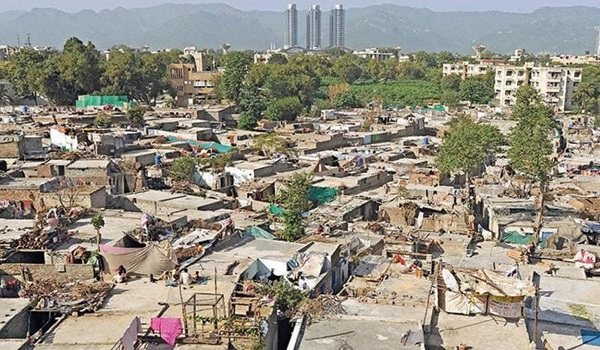
Islamabad's katchi abadi (slum)[/caption]
In 1992, the Punjab government took a more structured approach by establishing the Directorate General of Katchi Abadis & Urban Improvement under the Punjab Katchi Abadis Act, 1992. This department operates under the Local Government and Rural Development Department of Punjab, focusing on the regularization and development of katchi abadis across the province. Its mandate includes providing essential utilities, improving living conditions, and ensuring legal ownership rights for residents. Lahore, being the provincial capital, became a focal point for these efforts, with numerous katchi abadis benefiting from systematic interventions over the years.
These policies reflect a broader global trend where governments are increasingly acknowledging the importance of integrating informal settlements into urban planning frameworks. By doing so, they aim to address issues such as poverty, inequality, and inadequate access to basic services while fostering sustainable urban growth.
Assessing Progress: The Impact of Regularization Efforts
To evaluate the effectiveness of these programs, studies have been conducted to gauge the progress of the Katchi Abadis Regularization & Development Programme (KRDP) in Lahore. The primary objective of such research is to understand how these interventions have influenced demographic, social, physical, economic, environmental, and health-related aspects of life within these communities. Additionally, it seeks to assess residents’ perceptions of improvements and their satisfaction levels regarding the utilities and facilities provided through KRDP.
For this purpose, researchers selected four katchi abadis in Lahore—two that had been regularized and developed, and two that remained unregularized. Data was collected using sampled questionnaires and observation sheets to create a comprehensive socio-economic profile of the residents. The findings revealed stark differences between the two categories. Residents of regularized katchi abadis reported significantly better living conditions compared to those in unregularized settlements. Key factors contributing to this improvement include access to clean water supply, functional sewerage and drainage systems, paved streets, and street lighting—all provided at an affordable cost of Rs. 1,000 per Marla.
These enhancements not only improved the quality of life but also fostered a sense of security and belonging among residents. For instance, reliable water supply reduced health risks associated with contaminated sources, while street lighting enhanced safety and mobility during nighttime. Moreover, the provision of property ownership documents empowered residents economically, enabling them to invest in their homes and businesses. Such outcomes underscore the transformative potential of well-planned regularization efforts.
Challenges and Opportunities Ahead
Despite the notable progress achieved through KRDP, several challenges persist in addressing the needs of katchi abadis in Lahore. One major issue is the sheer scale of informal settlements, which continues to grow due to increasing urban migration. Limited financial resources and bureaucratic hurdles often hinder the timely implementation of development projects. Furthermore, there is a need for greater community involvement in decision-making processes to ensure that interventions align with residents’ priorities and aspirations.
Another challenge lies in balancing development with environmental sustainability. Many katchi abadis are located in ecologically sensitive areas, making it imperative to adopt green building practices and promote resource-efficient solutions. Encouragingly, technological advancements offer new opportunities to overcome these obstacles. For example, Geographic Information Systems (GIS) can be used to map and monitor katchi abadis more effectively, while renewable energy technologies can help reduce reliance on conventional power grids.
Moreover, partnerships between government agencies, non-governmental organizations (NGOs), and private sector stakeholders can play a crucial role in scaling up successful models of katchi abadi development. Collaborative efforts can leverage expertise, funding, and innovation to create inclusive and resilient urban environments.
Conclusion: Toward Inclusive Urban Development
The regularization and development of katchi abadis in Lahore represent a critical step toward achieving inclusive urban development. By transforming informal settlements into livable neighbourhoods, these initiatives contribute to reducing poverty, enhancing social cohesion, and promoting economic growth. While challenges remain, the progress made thus far demonstrates the feasibility and benefits of adopting a holistic approach to urban planning. Moving forward, sustained commitment from all stakeholders will be essential to build upon existing achievements and address emerging needs. Ultimately, the goal should be to create cities where every resident, regardless of their socio-economic background, can thrive and lead dignified lives.
External Links for Further Reading
- Punjab Katchi Abadis Act, 1992
- Lahore Development Authority (LDA)
- Urban Resource Centre - Focused on Informal Settlements
- World Bank Report on Urbanization in Pakistan
- UN-Habitat Guidelines on Slum Upgrading
Similar post on ACASH


Esta página tem definitivamente toda a informação que eu queria sobre este assunto e não sabia a quem perguntar. Este é o meu primeiro comentário aqui, então eu só queria dar um rápido
Thanks.