
Design of A Sustainable Building: A Conceptual Framework for Implementing Sustainability in the Building Sector
Introduction
The design of a sustainable building in UK is an integral part of modern architecture and urban planning. With the increasing urgency to combat climate change, improve energy efficiency, and reduce environmental degradation, sustainable buildings have become a priority. The UK government has introduced various policies and regulations to ensure that new buildings meet sustainability standards, reducing their carbon footprint while enhancing the quality of life for occupants.
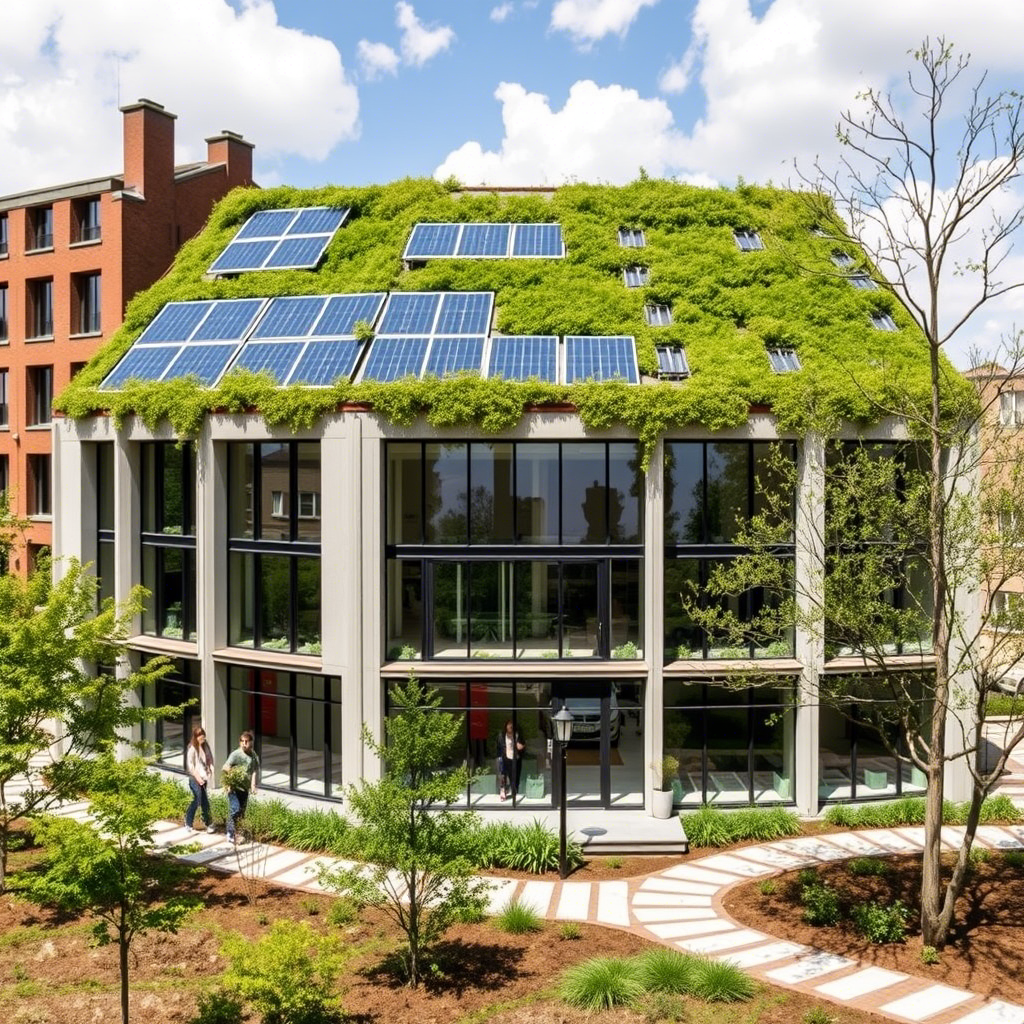
The design of a sustainable building in the UK focuses on several key elements: energy efficiency, water conservation, sustainable materials, waste reduction, indoor environmental quality, and smart technology integration. By carefully considering these factors, architects and engineers can create buildings that are environmentally responsible, economically viable, and socially beneficial.
Sustainable building design does not just involve new construction; it also includes retrofitting existing structures to improve energy performance and reduce emissions. Whether it's residential homes, commercial buildings, or public infrastructure, the principles of sustainable design play a crucial role in shaping the built environment for a greener future.
Energy Efficiency in Sustainable Buildings
One of the most critical aspects of the design of a sustainable building in the UK is improving energy efficiency. Buildings account for a significant portion of the UK’s energy consumption, leading to high carbon emissions. To address this issue, sustainable buildings incorporate various energy-saving strategies, including:
- Superior insulation – High-performance insulation materials, such as aerogel and sheep’s wool, reduce heat loss and minimize heating costs.
- Triple-glazed windows – These windows help retain heat during winter and keep buildings cool in summer, reducing reliance on artificial heating and cooling.
- Passive solar heating – Designing buildings with optimal orientation and window placement allows for maximum sunlight absorption, reducing energy demand.
- Renewable energy integration – Solar panels, wind turbines, and geothermal heating systems provide clean energy, reducing dependence on fossil fuels.
- Smart energy management – Advanced automation systems regulate heating, cooling, and lighting based on real-time occupancy and weather conditions.
By focusing on energy efficiency, the design of a sustainable building in the UK helps lower operational costs while significantly reducing environmental impact.
Sustainable Materials and Construction Techniques
Another essential factor in the design of a sustainable building in the UK is the use of environmentally friendly materials. Traditional construction materials, such as concrete and steel, have a high carbon footprint. Sustainable alternatives include:
- Cross-laminated timber (CLT) – A strong and lightweight alternative to steel, CLT is a renewable material that sequesters carbon.
- Recycled and reclaimed materials – Using recycled bricks, reclaimed wood, and repurposed steel reduces waste and conserves natural resources.
- Low-carbon concrete – Innovations in concrete production, such as incorporating fly ash and slag, reduce the carbon emissions associated with traditional cement.
- Bio-based materials – Hempcrete, bamboo, and mycelium-based composites offer excellent insulation properties while being biodegradable.
Sustainable construction techniques, such as modular building and prefabrication, also minimize waste, improve efficiency, and reduce on-site construction time.
Water Conservation Strategies
Water efficiency is a crucial component of the design of a sustainable building in the UK. With climate change affecting water availability, sustainable buildings must incorporate systems that minimize water wastage and promote reuse. Some common water conservation strategies include:
- Rainwater harvesting – Collecting and storing rainwater for non-potable uses, such as irrigation and toilet flushing, reduces reliance on mains water.
- Greywater recycling – Treating and reusing wastewater from sinks, showers, and washing machines helps reduce freshwater consumption.
- Low-flow fixtures – Water-efficient taps, toilets, and showers reduce overall water usage without compromising performance.
- Drought-resistant landscaping – Using native plants and green roofs minimizes irrigation needs while enhancing biodiversity.
By implementing these strategies, the design of a sustainable building in the UK contributes to responsible water use, ensuring long-term sustainability.
Waste Reduction and Recycling
The construction industry generates massive amounts of waste, making waste reduction a key element of the design of a sustainable building in the UK. Sustainable building practices aim to:
- Reduce construction waste – Prefabrication, modular design, and 3D printing help optimize material usage and reduce excess waste.
- Promote circular economy principles – Deconstruction instead of demolition allows building materials to be reused or recycled at the end of their lifecycle.
- Incorporate composting and waste management systems – On-site recycling and composting facilities reduce landfill contributions.
By prioritizing waste reduction, sustainable buildings minimize environmental impact while promoting efficient use of resources.
Enhancing Indoor Environmental Quality
A major aspect of the design of a sustainable building in the UK is ensuring a healthy indoor environment. This includes:
- Maximizing natural lighting – Large windows, skylights, and reflective surfaces reduce the need for artificial lighting.
- Improving air quality – Ventilation systems with air filtration reduce pollutants and allergens, enhancing occupant well-being.
- Using non-toxic materials – Paints, adhesives, and finishes that are low in volatile organic compounds (VOCs) improve indoor air quality.
- Biophilic design elements – Indoor plants, green walls, and wooden textures create a more natural and relaxing atmosphere.
By prioritizing these factors, sustainable buildings provide healthier and more comfortable living and working environments.
Smart Technology Integration
Modern advancements in technology play a significant role in the design of a sustainable building in the UK. Smart buildings incorporate:
- Automated lighting and climate control – Sensors adjust settings based on occupancy, reducing energy waste.
- IoT-enabled monitoring systems – Real-time data analysis helps optimize energy and water usage.
- Smart glass – Electrochromic windows adjust transparency to control light and heat levels.
These innovations improve energy efficiency and occupant comfort, making buildings more intelligent and adaptable.
Regulations and Standards in the UK
The design of a sustainable building in the UK must comply with various regulations and standards, including:
- Building Regulations Part L – Sets requirements for energy efficiency.
- BREEAM Certification – Assesses buildings on sustainability criteria.
- Future Homes Standard – Aims to ensure all new homes are net-zero carbon by 2025.
These regulations drive sustainable development, ensuring buildings align with national climate goals.
The Future of Sustainable Building Design in the UK
The future of the design of a sustainable building in the UK is evolving with trends like:
- Net-zero energy buildings – Structures that generate as much energy as they consume.
- Circular construction practices – Emphasizing material reuse and recycling.
- AI-driven building management – Enhancing efficiency through data-driven insights.
Sustainable architecture continues to advance, shaping an eco-friendlier built environment.
Conclusion
The design of a sustainable building in the UK is a multi-faceted approach that integrates energy efficiency, resource conservation, waste reduction, smart technology, and environmental responsibility. As sustainability becomes a top priority, architects, engineers, and developers must embrace innovative solutions to create buildings that benefit both people and the planet. Through continued advancements, policy support, and widespread adoption of green building practices, the UK can lead the way in shaping a sustainable future.
Also read: Housing Affordability in Australia and the UK: Common problems and Common Solutions