The Informal City and the Phenomenon of Slums: the challenges of slum upgrading and slum prevention
The document titled
"The Informal City and the Phenomenon of Slums" is published by the
International Federation for Housing and Planning (IFHP). It explores the complex realities of informal urban settlements, commonly referred to as slums, and provides insights into their socio-economic dynamics, governance challenges, and potential pathways for improvement.
Further reading:
Informal Settlements: Definition & Examples - StudySmarter studysmarter.co
Informal Urban Settlements and Slums' Upgrading: Global Case Studies academia
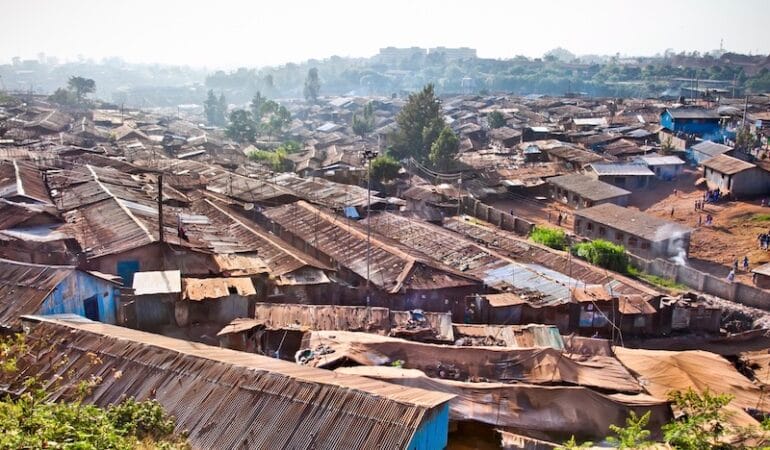
Overview of Informal Cities and Slums
The presentation begins by defining
informal cities as urban areas characterized by unregulated housing and inadequate infrastructure. Over one billion people currently reside in slums, a number projected to rise due to ongoing rural-to-urban migration and rapid urbanization, particularly in developing countries. The document emphasizes that slums are not merely areas of poverty but also represent a significant part of urban life that contributes to the economy through informal labor markets.
Characteristics of Slums
Slums are typically marked by:
- Inadequate Housing: Structures are often built without adherence to safety regulations or proper planning.
- Lack of Basic Services: Residents frequently lack access to clean water, sanitation, waste management, and electricity.
- Overcrowding: High population density leads to cramped living conditions.
- Vulnerability: Slum dwellers face heightened risks from natural disasters and health crises due to poor living conditions.
Drivers of Slum Formation
Several factors contribute to the growth of slums:
- Urban Migration: People migrate from rural areas seeking better opportunities, often driven by economic necessity or environmental changes.
- Poor Governance: Ineffective urban planning and lack of recognition of informal settlements by authorities exacerbate the situation. Governments may neglect these areas or adopt hostile policies against them.
- Economic Factors: The informal economy plays a crucial role in urban settings, providing livelihoods for many who cannot find formal employment.
Socio-Economic Dynamics
The document highlights that slum dwellers often subsidize urban economies by providing low-cost labour essential for various sectors. Despite their marginalized status, they contribute significantly to the local economy through informal work. However, they also face systemic challenges such as limited access to education and healthcare, which perpetuates cycles of poverty.
Governance Challenges
Effective governance is critical for addressing slum conditions. The document critiques current policies that fail to integrate slum populations into urban planning processes. It argues that governments need to recognize the rights of slum dwellers and include them in decision-making processes related to urban development.
Strategies for Improvement
To improve conditions in slums, the document suggests several strategies:
- Inclusive Urban Planning: Authorities should engage with slum communities to understand their needs and incorporate them into urban development plans.
- Secure Land Tenure: Providing legal recognition of land rights can empower residents to invest in their homes and communities.
- Investment in Infrastructure: Upgrading basic services like water supply, sanitation, and waste management is essential for improving living conditions.
- Community Engagement: Encouraging community participation in planning and development can lead to more sustainable solutions.
Conclusion
The document concludes that while slums present significant challenges, they also embody resilience and potential within urban environments. Addressing the issues faced by slum dwellers requires a multifaceted approach that combines social, economic, and political strategies. By recognizing the contributions of informal settlements and integrating them into broader urban policies, cities can foster more inclusive growth. In summary, "The Informal City and the Phenomenon of Slums" provides a comprehensive examination of the complexities surrounding informal settlements. It calls for a shift in perspective towards understanding slums not just as problems but as integral components of urban life that require thoughtful engagement from policymakers and society at large.
Other similar posts in ACASH
