Lack of Basic Infrastructures among the Slums of Midnapore Municipality, West Bengal in compare to Indian Scenario
The document titled "
Lack of Basic Infrastructures among the Slums of Midnapore" examines the dire living conditions in urban slums, particularly focusing on the Midnapore Municipality in West Bengal, India. It highlights the absence of essential infrastructure and services that contribute to the socio-economic challenges faced by slum dwellers.
Overview of Slums in Midnapore
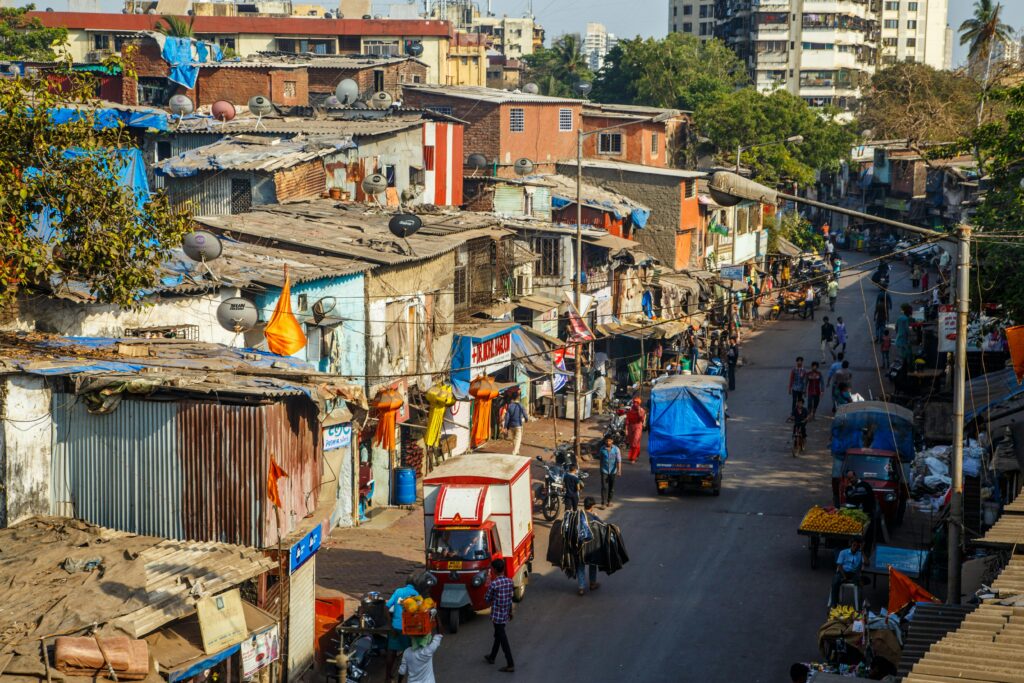
Urban slums are densely populated areas characterized by inadequate housing, poor sanitation, and limited access to basic amenities. The study emphasizes that slums in Midnapore have seen a significant increase in population, with many residents migrating from rural areas in search of better opportunities. However, these aspirations often lead to disillusionment as they encounter harsh living conditions.
Key Findings
Basic Amenities
The research indicates a severe lack of basic facilities among slum residents:
- Water Supply: Many households lack reliable access to clean drinking water. The study found that only a small percentage of households had direct water connections, forcing residents to rely on unsafe sources.
- Sanitation: The sanitation situation is critical, with inadequate toilet facilities. A significant number of families share toilets, and many are compelled to resort to open defecation due to the unavailability of proper sanitation infrastructure.
- Electricity: While some households have electricity, many others do not, which affects their quality of life and safety.
Housing Conditions
The housing quality in these slums is predominantly substandard:
- Construction Quality: Most dwellings are constructed using temporary materials (kutcha houses), lacking durability and safety. This makes them vulnerable to environmental hazards such as floods and fires.
- Overcrowding: High population density results in cramped living conditions, where families often live in single-room accommodations. This overcrowding exacerbates health risks and creates a stressful living environment.
Health Implications
The document highlights the health risks associated with poor living conditions:
- Disease Vulnerability: Slum dwellers are at a higher risk for various diseases due to unsanitary conditions and lack of access to healthcare services. Common ailments include waterborne diseases like diarrhoea and cholera, which thrive in environments lacking clean water and sanitation.
- Mental Health Issues: The stress and anxiety stemming from inadequate living conditions can lead to mental health problems among residents.
Socio-Economic Factors
The study discusses several socio-economic factors contributing to the persistence of slums:
- Poverty: Many slum residents live below the poverty line, making it challenging for them to afford better housing or relocate. Economic constraints limit their ability to invest in improving their living conditions.
- Social Exclusion: Slum inhabitants often face social stigma and exclusion from mainstream society, which further marginalizes them and restricts their access to resources and opportunities.
Recommendations for Improvement
To address the issues faced by slum dwellers in Midnapore, the document proposes several recommendations:
- Infrastructure Development: There is an urgent need for investments in basic infrastructure such as water supply systems, sanitation facilities, and electricity connections. Improving these services can significantly enhance the quality of life for residents.
- Community Participation: Engaging slum communities in planning and decision-making processes can ensure that development initiatives are tailored to their specific needs.
- Government Policies: The implementation of supportive government policies aimed at providing affordable housing can help alleviate some of the pressures faced by slum dwellers.
- Health Services Access: Enhancing access to healthcare services is crucial for addressing the health disparities experienced by slum populations. Mobile health units or community health programs could be effective solutions.
- Education and Skill Development: Providing educational opportunities and vocational training can empower residents, enabling them to improve their socio-economic status over time.
Conclusion
The document underscores that addressing the lack of basic infrastructure in urban slums is critical for improving the lives of millions living under precarious conditions. By focusing on infrastructure development, community engagement, and supportive policies, it is possible to transform slums into healthier, more sustainable environments that provide opportunities for all residents.
Further reading:
[PDF] a study on availability of basic civic facilities in urban slum area of bhuj ... njcmindia
[PDF] Lack of Basic Infrastructures among the Slums of Midnapore ... - IJCRT.org ijcrt
Slum - Wikipedia en.wikipedia
Other similar posts in ACASH
