
Homes and Loans: Decoding Bangladesh's Housing Finance Sector
The document provides a detailed exploration of the housing finance sector in Bangladesh, focusing on the challenges and opportunities within this critical area. As urbanization accelerates and the population grows, the demand for affordable housing has surged, making effective housing finance essential for socio-economic development. This rewrite summarizes the key insights and findings presented in the document while maintaining a natural flow.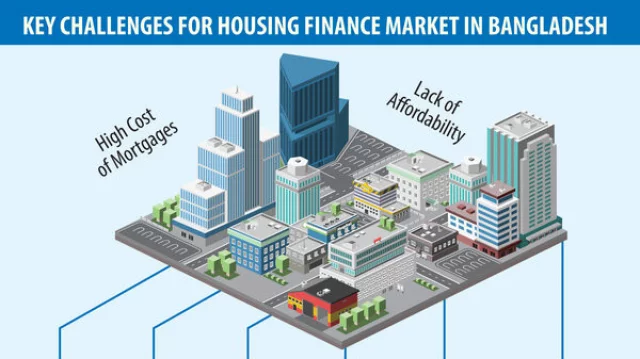
Introduction
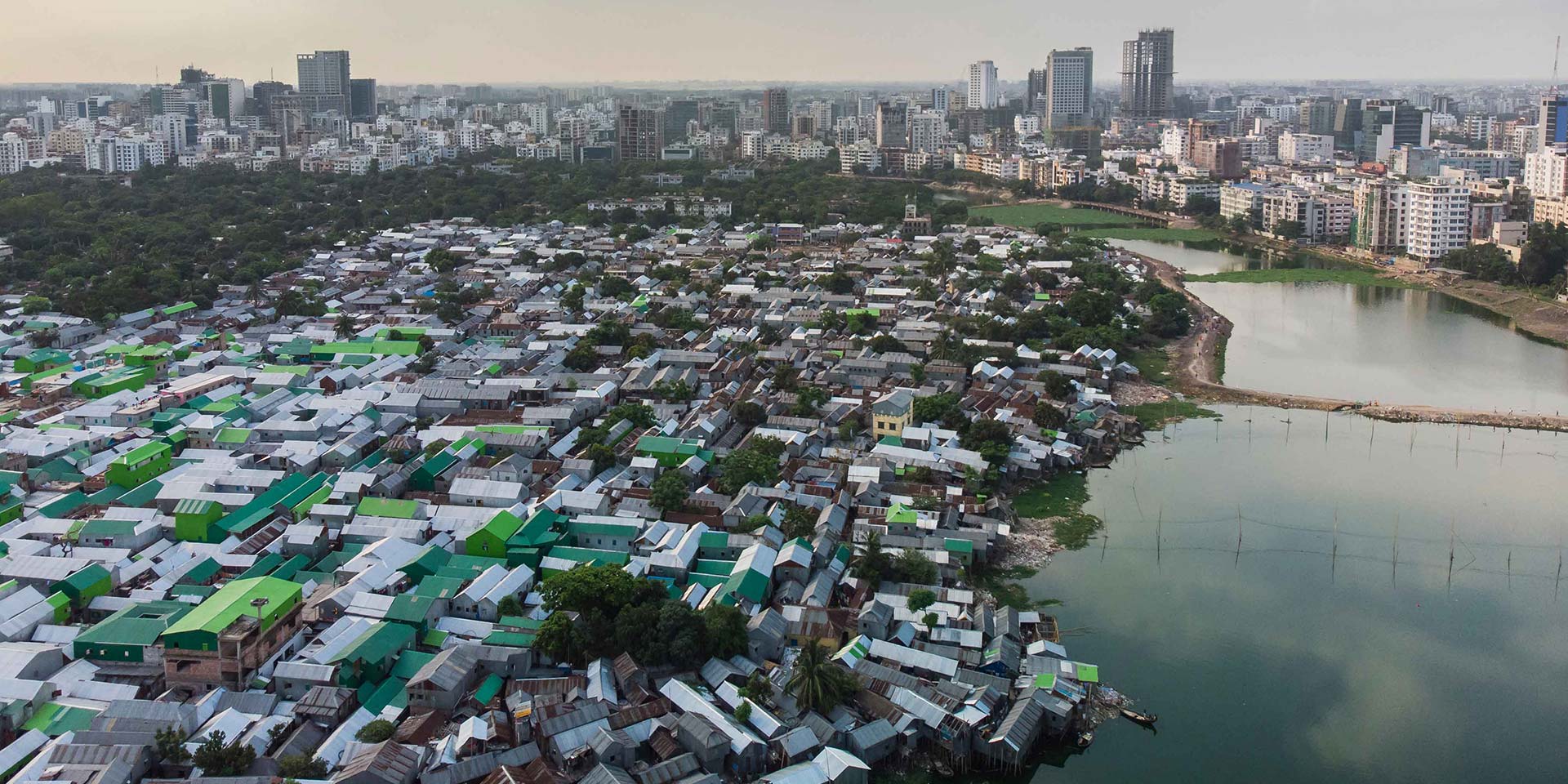
Bangladesh is experiencing rapid urbanization, which has intensified the demand for housing across the country. With millions of people seeking affordable living options, the housing.finance sector plays a crucial role in facilitating access to homeownership.However, despite its potential, this sector faces numerous challenges that hinder its effectiveness. This document delves into the current state of housing finance in Bangladesh, examining the roles of various institutions, the challenges they encounter, and potential pathways for improvement.
Overview of Housing Finance in Bangladesh
The housing finance landscape in Bangladesh is characterized by a mix of formal and informal financial institutions. The sources of financing include personal savings, government loans, international donor support, and commercial bank offerings. The formal credit institutions are classified into several categories:- Specialized Housing Finance Providers: These include institutions like the Bangladesh House Building Finance Corporation (BHBFC) and Delta Brac Housing Finance Corporation (DBH), which focus specifically on housing loans.
- Commercial Banks: Both private and state-owned banks provide mortgage financing, but often at higher interest rates.
- Non-Bank Financial Institutions: These institutions also participate in housing finance but have a limited presence compared to banks.
- Microfinance Institutions: While they play a role in providing small loans to low-income families, their contribution to housing finance remains minimal.
Key Players in Housing Finance
Bangladesh House Building Finance Corporation (BHBFC)
Established in 1973, BHBFC is a government-owned institution designed to facilitate housing.finance for civil servants and other eligible borrowers. It offers long-term loans for constructing or renovating homes at relatively lower interest rates compared to commercial banks. However, BHBFC has faced several challenges:- Limited Outreach: Historically focused on government employees, BHBFC has not effectively reached low- and middle-income families who need affordable housing options.
- Operational Inefficiencies: The institution has been criticized for long approval times and bureaucratic processes that delay loan disbursement.
Delta Brac Housing Finance Corporation (DBH)
DBH is a private sector initiative that emerged as a significant player in Bangladesh's housing finance market. It offers a range of mortgage products aimed at various income groups:- Inclusive Financing: DBH focuses on providing accessible loans to low- and middle-income families, making it easier for them to secure financing for homeownership.
- Innovative Products: The institution has developed flexible loan terms and competitive interest rates to cater to diverse customer needs.
Challenges Facing the Housing Finance Sector
Despite the presence of these institutions, several challenges persist within Bangladesh's housing finance sector:- High Interest Rates: The cost of borrowing remains high, with average interest rates around 14% to 16%. This limits access to financing for many potential homeowners.
- Income Disparities: Significant income inequality affects the ability of low-income families to qualify for loans or afford monthly repayments.
- Lack of Collateral: Many potential borrowers do not possess sufficient collateral to secure loans, further restricting access to financing.
- Regulatory Framework: Inadequate policies and regulations can hinder the growth of the housing finance market and limit innovation among financial institutions.
- Market Perception: There is often a stigma associated with borrowing for housing among lower-income populations, which can deter them from seeking financing options.
Opportunities for Improvement
To address these challenges and enhance the effectiveness of the housing finance sector in Bangladesh, several strategies can be considered:- Innovative Financing Mechanisms: Introducing mortgage-backed securities could provide additional funding sources for housing finance institutions, enabling them to offer more competitive products.
- Policy Reforms: Strengthening regulatory frameworks can create an environment conducive to growth in the housing finance sector while protecting consumers' interests.
- Community Engagement: Increasing awareness about available financing options through community outreach can help demystify borrowing processes and encourage more families to seek homeownership.
- Collaboration with NGOs: Partnering with non-governmental organizations can facilitate better outreach and support for underserved populations, ensuring that more people have access to affordable housing solutions.
Conclusion
The housing finance sector in Bangladesh is at a critical juncture as it seeks to meet the growing demand for affordable housing amidst rapid urbanization. While institutions like BHBFC and DBH play pivotal roles in providing financing options, significant challenges remain that must be addressed through innovative solutions and policy reforms.By fostering collaboration among stakeholders and prioritizing inclusivity in financing strategies, Bangladesh can work towards creating a more equitable housing market that benefits all citizens. Ultimately, improving access to affordable housing will contribute not only to individual well-being but also to broader socio-economic development across the country.
For further reading: Challenges and Prospects of Housing Finance Sector papers.ssrn Similar post on ACASH