The document titled "
Assisted Community Housing Initiative in Dhaka: Rethinking Role of NGOs in Affordable Housing Development" explores innovative approaches to affordable housing for low-income communities in Dhaka, Bangladesh. It focuses on the efforts of the Association for the Realization of Basic Needs (ARBAN), which has implemented a community-driven housing project aimed at improving living conditions for slum dwellers.
Background and Context
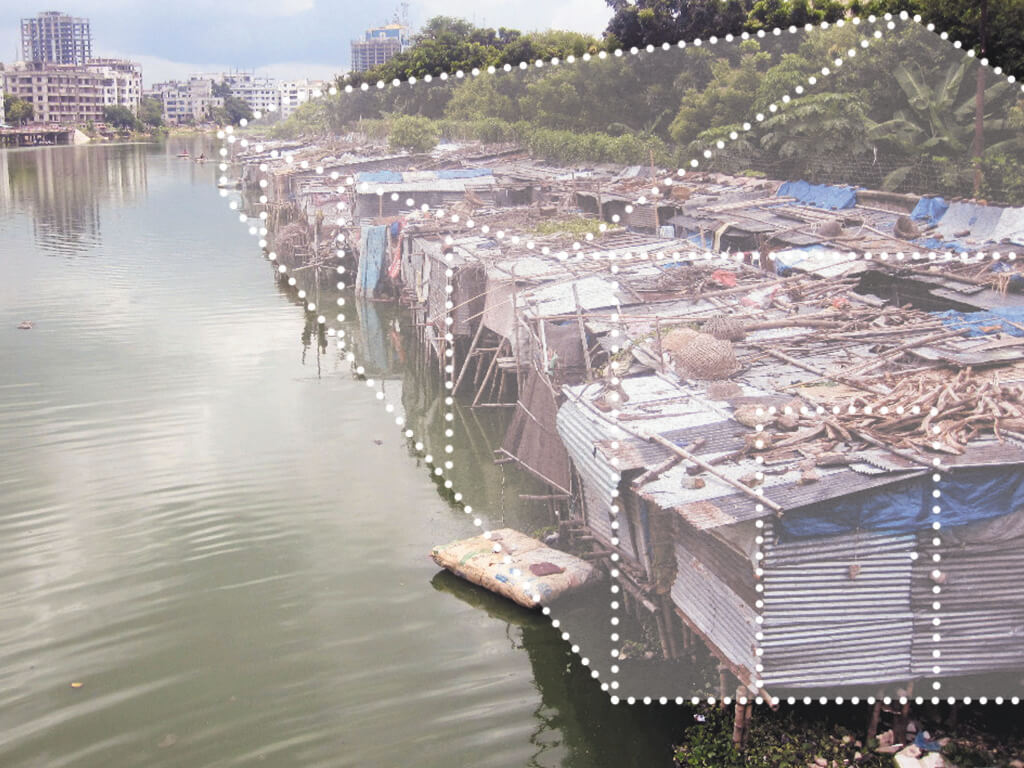
Bangladesh is experiencing rapid urbanization, with the urban population increasing significantly over the past two decades. This growth has led to a severe housing crisis, particularly in Dhaka, where approximately 1.73 million people live in slums characterized by inadequate sanitation, overcrowding, and lack of basic services. The formal housing market has largely failed to address the needs of low-income residents due to high costs and limited availability, leaving many without secure living conditions.
The Assisted Community Housing Initiative
The Assisted Community Housing Initiative (ACHI) was developed as a response to these challenges. The project mobilizes slum dwellers to collectively improve their housing situation through savings and credit programs. Participants contribute a fixed monthly amount over ten years, which enables them to access funds for constructing or upgrading their homes. The first project under this initiative, known as Housing Assistance Project-1, has successfully completed construction of a six-story building with 40 residential units designed for low-income families.
Key Features of ACHI
- Community Mobilization: The initiative emphasizes the importance of community organization and collective action among slum dwellers, empowering them to take charge of their housing needs.
- Financial Mechanism: Participants engage in a savings program that accumulates funds over time, allowing them to invest in their housing.
- Sustainable Development: The project aims to create sustainable living conditions by integrating civic amenities and ensuring that housing developments comply with local regulations.
Challenges Faced
Despite its successes, the ACHI faces several operational barriers. These include:
- Affordability: While the savings model is designed to be accessible, many potential beneficiaries still struggle with financial constraints that hinder participation.
- Implementation Issues: The logistics of constructing housing units in densely populated slums pose significant challenges, including land acquisition and adherence to building codes.
- Scalability: There is a need for strategies that can replicate the ACHI model across other urban areas facing similar housing crises.
Future Prospects
The research suggests that assisted community housing could serve as a viable solution for affordable housing in Bangladesh. By addressing both financial and structural barriers, this model could be expanded to reach more communities. The authors advocate for increased collaboration among NGOs, government agencies, and private sector partners to enhance the effectiveness and reach of such initiatives.
Policy Recommendations
To support the growth of community-driven housing projects like ACHI, several policy recommendations are proposed:
- Integration into National Housing Policy: Affordable housing initiatives should be included in broader urban development policies to ensure alignment with national priorities.
- Support for NGO Initiatives: Increased funding and technical support for NGOs can enhance their capacity to implement successful housing projects.
- Community Engagement: Ensuring that community voices are central to decision-making processes will enhance ownership and sustainability of housing solutions.
Conclusion
The Assisted Community Housing Initiative demonstrates a promising approach to addressing the urgent need for affordable housing in Dhaka's slums. By leveraging community resources and fostering collective action, it provides a framework that could be adapted and scaled to meet the growing demand for safe and dignified living conditions among urban poor populations. The ongoing collaboration between NGOs like ARBAN and local communities is crucial for creating sustainable solutions that empower residents and improve their quality of life.
Further reading:
Assisted Community Housing Affordable Initiative in Dhaka acash.org
[PDF] Assisted Community Housing Initiative in Dhaka: Rethinking role of NGOs ... eprints.qut.edu
