Analysis of Vernacular Architecture in Terms of Sustainable Considerations
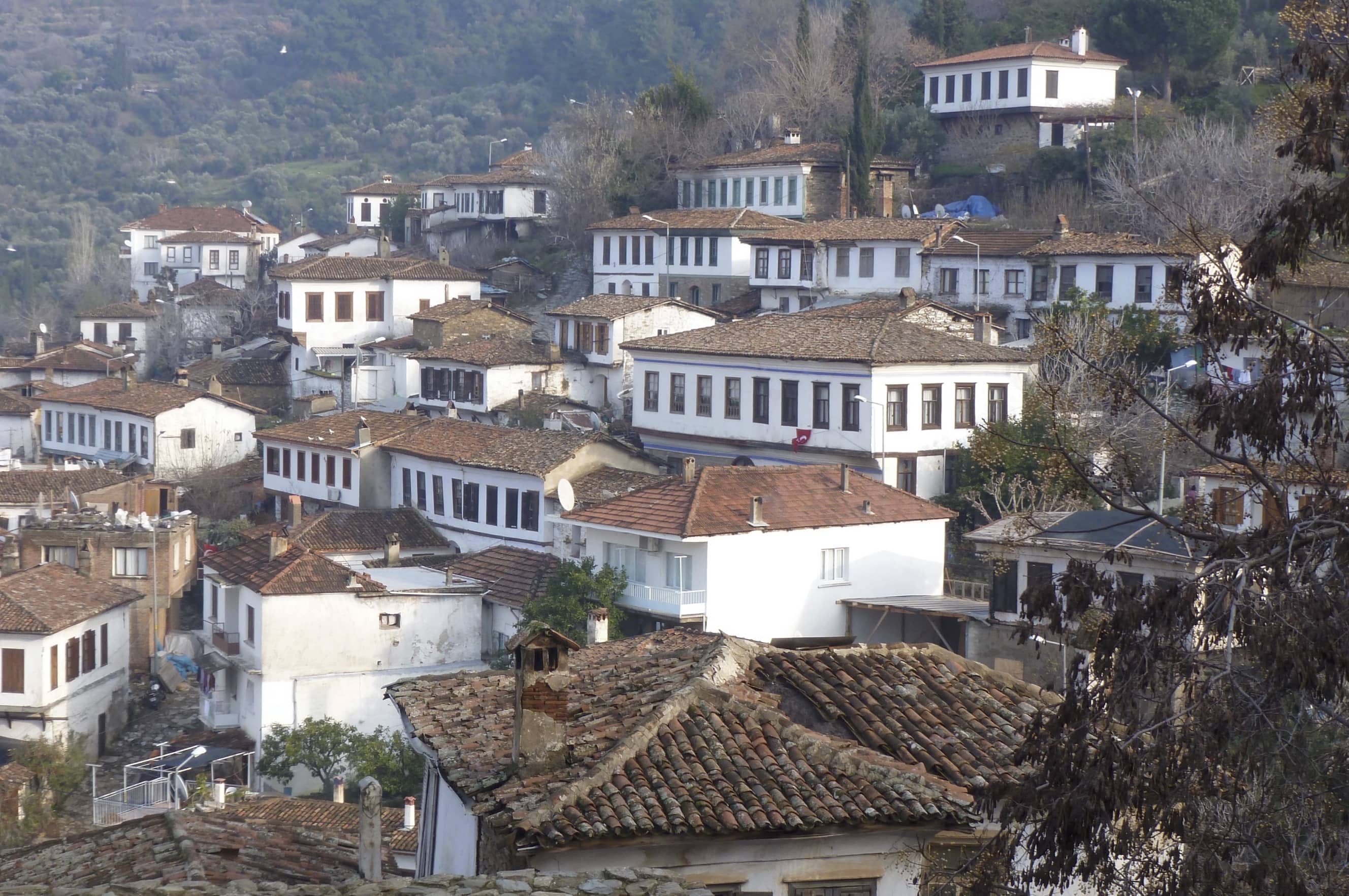
The document titled "Analysis of Vernacular Architecture in Terms of Sustainable Considerations" explores the sustainable aspects of vernacular architecture, particularly focusing on the Şirince settlement in Turkey. It highlights how traditional building practices can inform contemporary sustainable design, emphasizing the importance of local materials, climate responsiveness, and cultural relevance.
Introduction
Vernacular architecture is characterized by its adaptation to local environmental conditions, utilizing available resources and traditional techniques. This architecture has evolved over time, reflecting the cultural and climatic context of its location. The study aims to analyze the sustainable features inherent in vernacular architecture, demonstrating how these practices can contribute to modern sustainability efforts.
Further reading:
[PDF] Analysis Of Vernacular Architecture In Terms Of Sustainable Considerations community21
Learning from Mardin and Cumalıkızık: Turkish Vernacular Architecture in ... eurocert
Sustainable Features of Vernacular Architecture
The document identifies several key features of vernacular architecture that promote sustainability:
- Use of Local Materials: Vernacular buildings typically utilize materials sourced from the local environment, reducing transportation costs and environmental impact. This practice not only supports local economies but also ensures that the materials are well-suited to the climatic conditions.
- Climate Responsiveness: Vernacular designs are often tailored to respond to local climate conditions. For example, buildings may be oriented to maximize natural ventilation and daylighting while minimizing heat gain in warmer months. This passive design approach enhances energy efficiency and occupant comfort.
- Low-Tech Solutions: Many vernacular structures incorporate low-tech solutions that effectively address environmental challenges without relying on complex systems. Techniques such as thick walls for thermal mass or high ceilings for ventilation exemplify this approach.
Case Study: Şirince
The study focuses on Şirince, a small village in Turkey known for its traditional architecture. The analysis examines various aspects of its vernacular buildings, including:
- Site Planning: The layout of Şirince is designed to harmonize with the topography, promoting efficient land use and minimizing erosion.
- Building Form and Orientation: Structures are strategically oriented to leverage natural light and wind patterns, enhancing their energy efficiency.
- Construction Techniques: Traditional building methods utilized in Şirince often involve simple yet effective techniques that have been passed down through generations.
- Materials: Locally available materials such as stone and timber are prevalent, contributing to the sustainability of the buildings.
Findings
The analysis reveals that vernacular architecture possesses significant sustainable attributes that can inform contemporary building practices. Key findings include:
- Energy Efficiency: Buildings in Şirince demonstrate high thermal performance due to their design and material choices, resulting in reduced energy consumption for heating and cooling.
- Cultural Relevance: Vernacular architecture reflects the cultural identity of its inhabitants, fostering a sense of community and belonging. This cultural aspect is crucial for promoting social sustainability.
- Adaptability: The flexibility of vernacular design allows for adaptations to changing environmental conditions, making these structures resilient over time.
Recommendations for Modern Architecture
The document suggests several ways contemporary architects can draw inspiration from vernacular practices:
- Integrating Local Knowledge: Understanding and incorporating local building traditions can enhance sustainability efforts in modern architecture.
- Promoting Passive Design Strategies: Emphasizing passive solar techniques and natural ventilation can significantly improve energy efficiency in new constructions.
- Utilizing Sustainable Materials: Encouraging the use of locally sourced and renewable materials can reduce the carbon footprint associated with construction.
Conclusion
The study concludes that vernacular architecture offers valuable lessons for achieving sustainability in modern building practices. By analyzing the environmentally responsive features of traditional structures like those found in Şirince, architects and builders can develop more sustainable designs that respect both cultural heritage and environmental considerations. The integration of these principles into contemporary architecture not only addresses current sustainability challenges but also preserves the rich architectural legacy of regions like Turkey. Embracing these insights can lead to a more sustainable future in construction, benefiting both communities and the environment alike.
More reading:
[PDF] Analysis Of Vernacular Architecture In Terms Of Sustainable Considerations community21
Sustainability in vernacular architecture - Rethinking The Future re-thinkingthefuture
[PDF] Sustainability Indicators for Vernacular Architecture in India - ISVS isvshome
Other similar posts in ACASH
