
AN OVERVIEW OF AFFORDABLE LOW-COST HOUSING IN NIGERIA
Introduction
Overview of affordable low-cost housing reveals a critical challenge facing Nigeria, Africa’s most populous nation. With over 220 million people and rapid urbanization, the demand for decent, secure, and affordable homes far exceeds supply. The country currently faces a housing deficit exceeding 28 million units—a gap that grows each year. This Overview of affordable low-cost housing examines the structural, economic, and policy-related factors driving the crisis. It underscores the urgent need for scalable, inclusive, and sustainable solutions to meet the needs of low- and middle-income Nigerians. As a foundational framework, the Overview of affordable low-cost housing helps stakeholders understand the complexities of the sector and identify actionable pathways toward equitable housing development
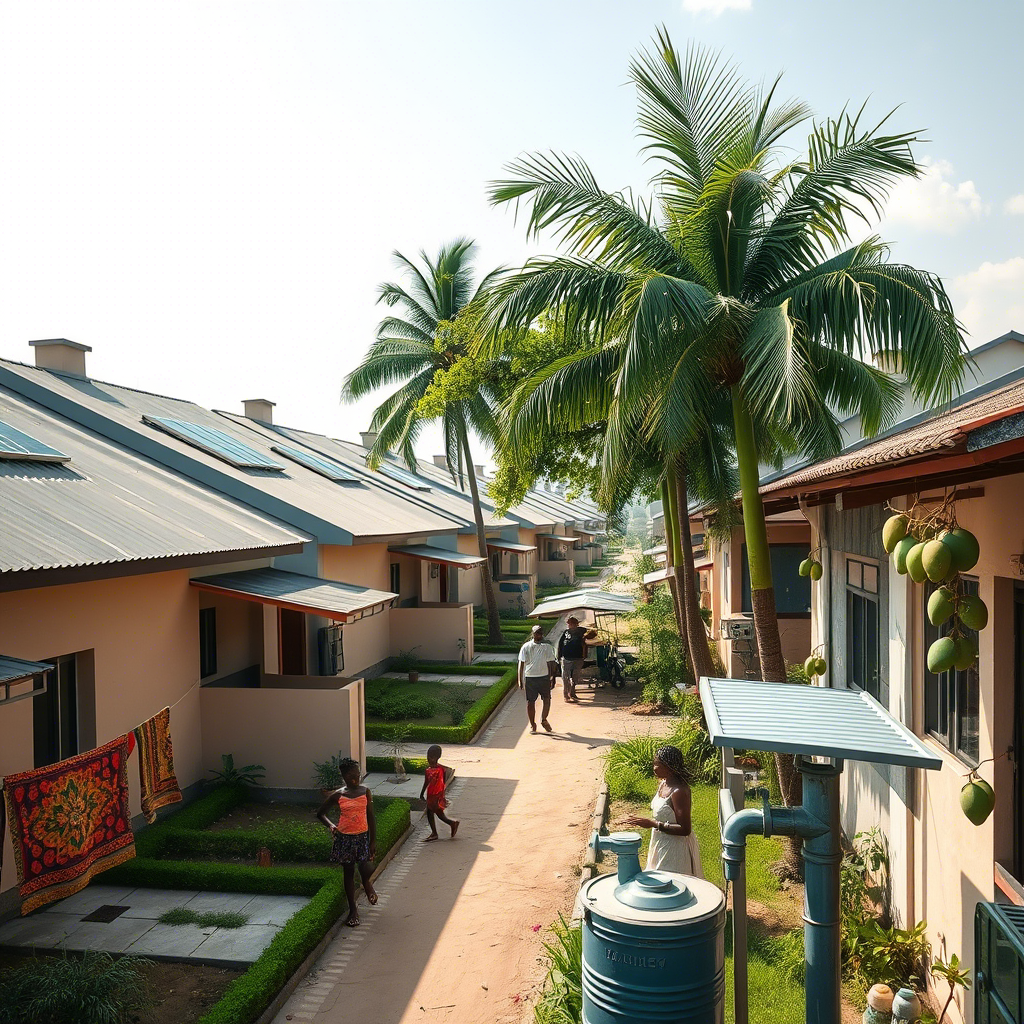
The Scale of the Housing Deficit
One of the most pressing issues revealed in the Overview of affordable low-cost housing is the sheer size of the housing shortfall. Nigeria adds approximately 1.5 million new households annually, but only about 100,000 new homes are completed each year. This massive imbalance has led to the proliferation of informal settlements, overcrowding, and slum development in major cities like Lagos, Abuja, and Port Harcourt. The Overview of affordable low-cost housing emphasizes that without a significant increase in housing production—particularly in the low-cost segment—the deficit will continue to grow, undermining urban development and social stability.Affordability and Income Mismatch
A key finding in the Overview of affordable low-cost housing is the stark disconnect between housing prices and average incomes. In Lagos, a standard three-bedroom house can cost between ₦40 million and ₦100 million, while the average annual income is less than ₦3 million. This makes homeownership unattainable for the vast majority of Nigerians. The Overview of affordable low-cost housing stresses that true affordability must consider not only construction costs but also location, access to utilities, and long-term maintenance. Without targeted interventions, the dream of home ownership will remain out of reach for most citizens.Limited Access to Housing Finance
Another major barrier highlighted in the Overview of affordable low-cost housing is the lack of accessible mortgage financing. Less than 5% of Nigerians can access formal home loans due to high interest rates, short repayment periods, and strict collateral requirements. The Overview of affordable low-cost housing calls for reforms in the financial sector, including the expansion of microfinance options, government-backed mortgage schemes, and rent-to-own models. These innovations can help bridge the financing gap and make homeownership more attainable for low-income earners.Land Tenure and Ownership Challenges
Land is a critical component of any housing solution, and the Overview of affordable low-cost housing identifies land access as a major obstacle. In many parts of Nigeria, land is either too expensive or difficult to acquire due to bureaucratic delays, corruption, and unclear ownership. The Overview of affordable low-cost housing recommends reforms such as digitizing land registries, releasing government-owned land for housing, and simplifying approval processes. Secure land tenure is essential for encouraging investment and enabling long-term housing development.High Construction Costs and Building Materials
The Overview of affordable low-cost housing also examines the cost of construction, which remains a significant barrier. Traditional building materials like cement, sand, and steel are expensive and often imported. The Overview of affordable low-cost housing promotes the use of alternative, locally sourced materials such as compressed earth blocks, interlocking bricks, and prefabricated panels. These materials are not only cheaper but also faster to build with and more environmentally sustainable. Widespread adoption could significantly reduce the cost of low-cost housing.Government Policies and Implementation Gaps
Over the years, the Nigerian government has launched several housing initiatives, including the National Housing Policy and state-level housing corporations. However, the Overview of affordable low-cost housing reveals that these programs have often been underfunded, poorly managed, or abandoned. The Overview of affordable low-cost housing calls for stronger accountability, better project monitoring, and sustained political commitment to ensure that public housing efforts deliver real results.Public-Private Partnerships (PPPs) as a Solution
The Overview of affordable low-cost housing identifies public-private partnerships as a promising model for scaling up housing delivery. The private sector brings capital, expertise, and efficiency, while the government can provide land, infrastructure, and regulatory support. The Overview of affordable low-cost housing encourages policies that incentivize private developers to invest in low-cost housing, such as tax breaks, reduced import duties, and fast-tracked approvals.Urban Planning and Location of Housing Projects
A recurring issue in the Overview of affordable low-cost housing is the poor location of many affordable housing estates. Many are built on the outskirts of cities, far from jobs, schools, and healthcare facilities. This increases transportation costs and reduces the overall affordability of housing. The Overview of affordable low-cost housing advocates for transit-oriented development and integrated planning that places housing close to economic opportunities and essential services.Informal Settlements and Slum Upgrading
Over 60% of urban Nigerians live in informal settlements or slums, where access to clean water, sanitation, and electricity is limited. The Overview of affordable low-cost housing supports in-situ slum upgrading—improving infrastructure and providing secure tenure without forced evictions. This approach recognizes the rights of existing residents and builds on their investments in housing. Community participation is a key principle in this strategy, as emphasized in the Overview of affordable low-cost housing.