Quality of affordable housing projects by public and private developers in Indonesia: the case of Sarbagita municipal Bali
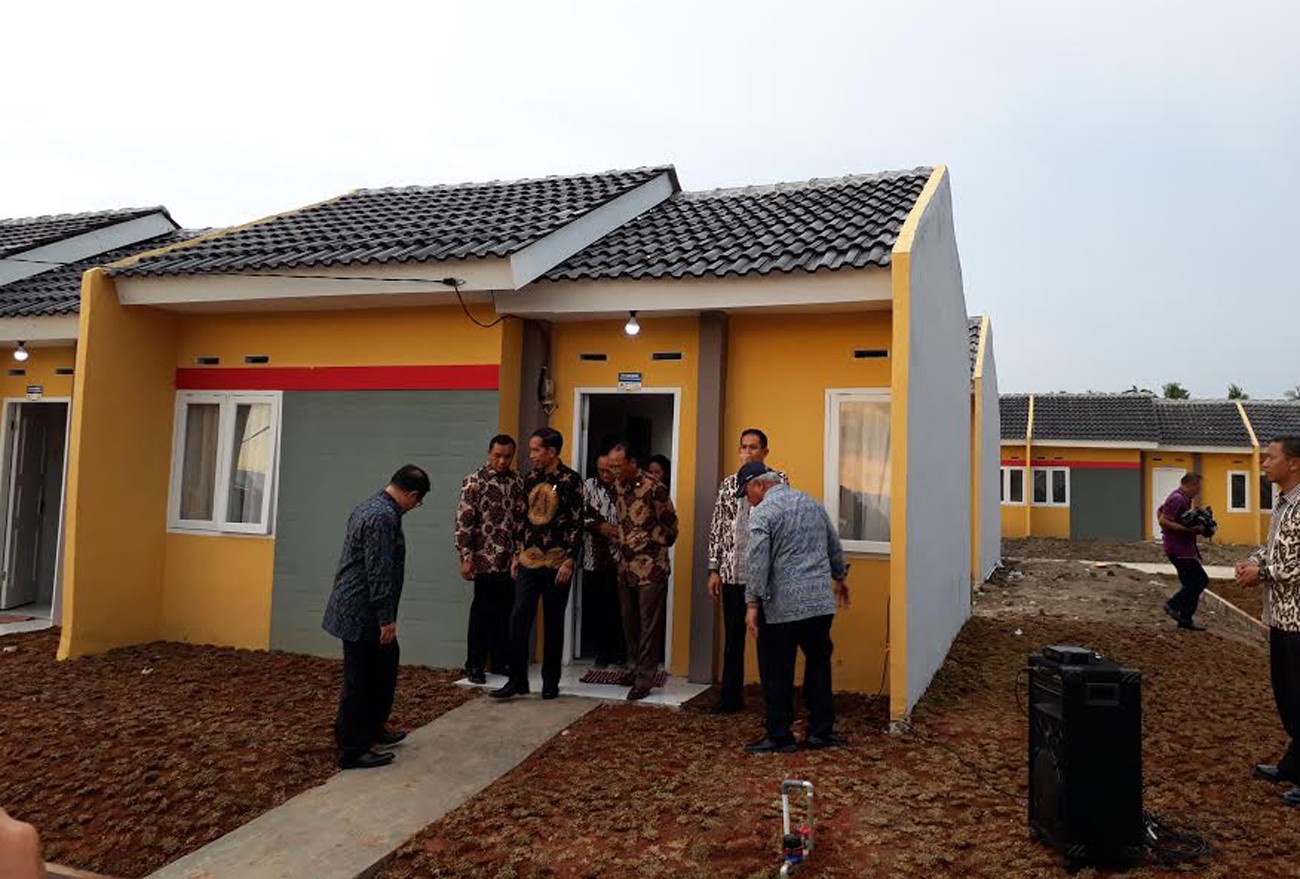
The document titled "Quality of Affordable Housing Projects by Public and Private Developers in Indonesia: The Case of Sarbagita Municipal, Bali" examines the provision and quality of affordable housing in the Sarbagita metropolitan area. It highlights the roles of both public and private developers in addressing housing needs for low-income populations while assessing the effectiveness of current projects.
Introduction
Housing is a fundamental need, and the provision of affordable, quality housing is crucial for improving living conditions. In Indonesia, particularly in the Sarbagita region, there has been a surge in affordable housing projects aimed at accommodating the growing urban population. However, despite the increase in quantity, concerns about the quality of these housing developments persist.
Objectives and Methodology
The study aims to evaluate the quality of affordable housing projects by analyzing various indicators related to physical infrastructure, services, and overall living conditions. The research employs a mixed-methods approach, utilizing observations, interviews, questionnaires, and documentation from stakeholders, developers, and residents to gather comprehensive data on housing projects.
Findings
Quality Assessment
The findings indicate that many affordable housing projects in Sarbagita fail to meet essential quality standards. Key issues identified include:
- Infrastructure Deficiencies: Many developments lack adequate infrastructure such as roads, drainage systems, and sanitation facilities.
- Limited Public Services: Access to essential services like healthcare, education, and public transportation is often insufficient.
- Physical Quality: The construction quality of many housing units does not meet acceptable standards, leading to concerns about durability and safety.
Role of Developers
Both public and private developers play crucial roles in the housing market. However, their approaches differ significantly:
- Public Developers: Generally focus on large-scale projects aimed at meeting government-set targets for affordable housing. However, they often face bureaucratic challenges that hinder timely project completion.
- Private Developers: Tend to prioritize profit margins over quality. While they may offer innovative designs and amenities, many projects do not comply with necessary standards due to cost-cutting measures.
Consumer Perspectives
Residents' feedback highlights a mismatch between expectations and reality. Many low-income families express dissatisfaction with their living conditions due to inadequate facilities and services. This disconnect underscores the importance of involving residents in the planning process to ensure that their needs are adequately addressed.
Recommendations
To improve the quality of affordable housing in Sarbagita, several recommendations are proposed:
- Enhanced Regulatory Framework: Strengthening regulations governing construction standards and ensuring compliance can help improve overall quality.
- Increased Community Involvement: Engaging residents in the planning and development processes can lead to better alignment between projects and community needs.
- Capacity Building for Developers: Providing training for both public and private developers on best practices in sustainable construction can enhance project outcomes.
- Integrated Infrastructure Planning: Coordinating housing development with infrastructure improvements is essential for creating livable communities.
Conclusion
The document emphasizes that while there is a pressing need for affordable housing in Indonesia, simply increasing the number of units is not enough. Quality must be prioritized to ensure that these homes provide safe and comfortable living conditions for residents. By addressing infrastructure deficiencies, enhancing regulatory frameworks, and fostering community involvement, Indonesia can improve its affordable housing landscape significantly.The case study of Sarbagita serves as a critical reminder that effective housing policies must balance quantity with quality to truly benefit low-income populations. Future efforts should focus on sustainable development practices that not only meet immediate housing needs but also contribute to long-term community well-being.

Further reading:
Thousands of Indonesian Families to Benefit from Affordable Green Housing Project
GBPN Launches support for 1 million green affordable housing units in ... gbpn
Other similar posts in ACASH
