
AFFORDABLE HOUSING IN NOVA SCOTIA IN CANADA
Introduction
Affordable Housing in Nova Scotia has become a defining issue of our time—not just as a matter of shelter, but as a barometer of fairness, inclusion, and economic resilience across the province. Once known for its modest cost of living and tight-knit communities, Nova Scotia is now grappling with a housing crisis that mirrors national and global trends: soaring rents, shrinking vacancy rates, and a widening gap between income and housing costs.
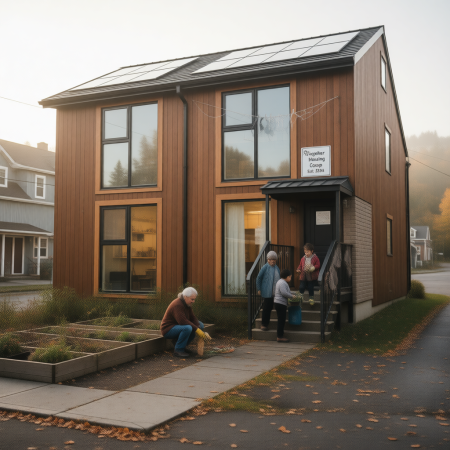
From Halifax’s bustling downtown to rural towns in Cape Breton and the Annapolis Valley, residents are feeling the squeeze. Addressing this challenge requires more than temporary fixes—it demands a sustained, collaborative effort to expand supply, protect tenants, and reimagine what Affordable Housing in Nova Scotia can look like in the 21st century.
A Perfect Storm: What Caused the Crisis?
The roots of today’s housing crunch in Nova Scotia are both recent and long-standing. For decades, the province built fewer homes than needed to keep pace with population growth. Between 2001 and 2020, housing starts consistently lagged behind demographic demand—especially in the rental sector. But the crisis accelerated sharply after 2020. The pandemic triggered a wave of interprovincial migration, with thousands of Canadians—particularly from Ontario, Alberta, and British Columbia—relocating to Atlantic Canada in search of more space, lower costs, and a higher quality of life. Ironically, that very appeal undermined affordability. Between 2020 and 2023, Nova Scotia’s population grew by over 7%—the fastest in Canada—while housing supply barely budged. The vacancy rate in Halifax plummeted to just 0.6% in 2022, among the lowest in North America. Average rents jumped by more than 30% in three years, and home prices in Halifax rose by over 40% from 2019 to 2022. Against stagnant wage growth, especially for service workers, students, and seniors on fixed incomes, Affordable Housing in Nova Scotia became increasingly out of reach. Compounding the problem is the province’s aging housing stock. Many older rental units lack energy efficiency, accessibility, or basic repairs, yet remain occupied simply because tenants have nowhere else to go. Meanwhile, new construction often targets the luxury market, leaving little for low- and moderate-income households. Without intervention, the gap will only widen—making Affordable Housing in Nova Scotia not just a policy goal, but a moral imperative.Provincial and Federal Responses: Policy in Motion
Recognizing the urgency, both the Nova Scotia government and the federal government have rolled out significant investments and reforms. In 2022, the province launched its Housing Supply Action Plan, backed by a historic $1.3 billion over five years—a collaboration with the Canada Mortgage and Housing Corporation (CMHC) under the National Housing Strategy. This plan includes:- Funding for 5,500 new affordable and supportive housing units by 2026
- Incentives for non-profits, co-ops, and municipalities to build
- Streamlined development approvals through the Housing Act
- A ban on no-cause evictions and stricter rent increase guidelines
The Power of Community-Led and Non-Profit Models
One of the most hopeful developments in Nova Scotia’s housing landscape is the resurgence of community-led solutions. Non-profit housing providers, co-operative housing societies, and Indigenous organizations are stepping up as crucial builders and stewards of long-term affordability. For example, the Nova Scotia Co-operative Housing Federation has pioneered energy-efficient co-ops in towns like Antigonish and New Glasgow, where residents collectively own and manage their buildings. These models keep rents tied to operating costs—not market speculation—and foster strong social bonds. Similarly, Mi’kmaw communities are leading culturally grounded housing initiatives. The Eskasoni First Nation, for instance, has developed new housing units that blend modern construction with traditional design principles, ensuring that Affordable Housing in Nova Scotia includes Indigenous voices and needs. Community land trusts (CLTs) are also gaining traction. The newly formed Halifax CLT aims to acquire land and keep it permanently affordable by separating ownership of land from housing. This prevents resale at market rates and ensures generational access—a powerful tool for Affordable Housing in Nova Scotia in high-pressure neighborhoods.Rural and Regional Challenges: Beyond Halifax
While much attention focuses on Halifax, the crisis is deeply felt in rural and regional areas too. In Cape Breton, aging populations and outmigration have left some communities with surplus housing—but often in poor condition and disconnected from services. In contrast, fast-growing towns like Bridgewater and Yarmouth face sudden pressure as newcomers arrive, straining limited rental stock. Rural Affordable Housing in Nova Scotia requires tailored solutions. Modular and factory-built homes offer a cost-effective way to deliver quality units quickly in areas with fewer contractors. Programs that rehabilitate vacant or underused buildings—like former schools or churches—into multi-unit residences can breathe new life into small towns. Yet funding disparities persist. Smaller municipalities often lack the planning capacity or administrative resources to access provincial grants. To ensure equity, Affordable Housing in Nova Scotia must mean more than urban density—it must include support for towns and villages to build sustainable, localized housing ecosystems.The Role of Innovation and Sustainable Design
Nova Scotia is also embracing innovation to make Affordable Housing in Nova Scotia more efficient, resilient, and environmentally sound. Many new affordable projects incorporate passive solar design, heat pumps, and high-performance insulation—reducing both construction and long-term operating costs. The province’s Green Building Policy now encourages or mandates energy efficiency in publicly funded housing. In Dartmouth, a 60-unit supportive housing project uses cross-laminated timber (CLT) and net-zero-ready design, proving that affordability and sustainability aren’t mutually exclusive. Moreover, modern methods of construction—like prefab and modular building—are gaining ground. A Halifax-based social enterprise recently built 24 micro-units in just 90 days using factory-built pods, cutting costs by 20% compared to traditional builds. Scaling such approaches could dramatically accelerate delivery of Affordable Housing in Nova Scotia, especially for single-person households and youth.Tenant Protections and the Cost of Inaction
Even with new supply, existing renters need protection. Nova Scotia has taken steps—like capping annual rent increases at 2.5% (plus utilities) and banning “renovictions”—but enforcement remains uneven. Many tenants still face intimidation, illegal fees, or sudden displacement. The human cost of inaction is stark: rising homelessness (Halifax saw a 30% increase in shelter use between 2020–2023), overcrowding, and families forced to choose between rent and groceries. Students drop out of Nova Scotian universities due to housing insecurity. Seniors are priced out of lifelong neighborhoods. Without strong tenant safeguards, new supply alone won’t ensure that Affordable Housing in Nova Scotia reaches those who need it most.Indigenous Housing and Reconciliation
True progress on Affordable Housing in Nova Scotia must include equitable support for Mi’kmaq communities. Historically underfunded by federal programs, Indigenous housing on-reserve faces severe shortages and infrastructure gaps. Yet Mi’kmaw governments are leading self-determined housing strategies that prioritize culture, land stewardship, and community well-being. Federal investments through the Indigenous Housing Strategy and provincial partnerships are beginning to shift resources toward these efforts. Projects like the new housing complex in Paq’tnkek Mi’kmaw Nation—designed with input from elders and youth—show how Affordable Housing in Nova Scotia can honor identity while meeting modern needs. Reconciliation in housing means respecting Indigenous governance and ensuring adequate, ongoing funding.The Economic Argument for Affordability
Beyond ethics, there’s a compelling economic case for Affordable Housing in Nova Scotia. Employers across sectors—healthcare, tourism, tech, and education—report difficulty recruiting and retaining workers due to housing shortages. A nurse earning $65,000 simply cannot afford a one-bedroom apartment in downtown Halifax, where average rent exceeds $2,200/month. When workers commute long distances or double up in unsafe conditions, productivity suffers, absenteeism rises, and local economies stagnate. Conversely, every dollar invested in affordable housing generates $1.30–$2.00 in economic activity through construction jobs, consumer spending, and reduced public costs (e.g., emergency shelters, healthcare). Making Affordable Housing in Nova Scotia a priority isn’t just compassionate—it’s smart economics.Looking Ahead: A Vision for Inclusive Communities
The path forward requires coordination, courage, and community. Key priorities include:- Accelerating approvals: Reduce red tape for non-profit and infill projects
- Expanding non-market supply: Scale co-ops, CLTs, and public housing
- Protecting tenants: Strengthen enforcement of rent controls and anti-eviction laws
- Supporting rural innovation: Fund modular builds and building retrofits in small towns
- Centering equity: Ensure Affordable Housing in Nova Scotia serves Indigenous peoples, seniors, immigrants, and people with disabilities