
Adaptive Behaviour in Urban Space; Residential Mobility in Response to Social Distance
Introduction
Adaptive behaviour in urban space is a crucial aspect of how individuals and communities respond to the rapidly changing conditions of city life. Urban environments are dynamic, shaped by infrastructure, climate, economic shifts, and social interactions. In such settings, adaptation is essential for survival, convenience, and growth.
This study explores adaptive behaviour in urban space, examining various factors that influence human responses to urban challenges. From informal settlements to high-tech urban centers, adaptation occurs at multiple levels—social, economic, environmental, and technological. Understanding these adaptive patterns helps policymakers, urban planners, and communities create more livable and sustainable urban environments.
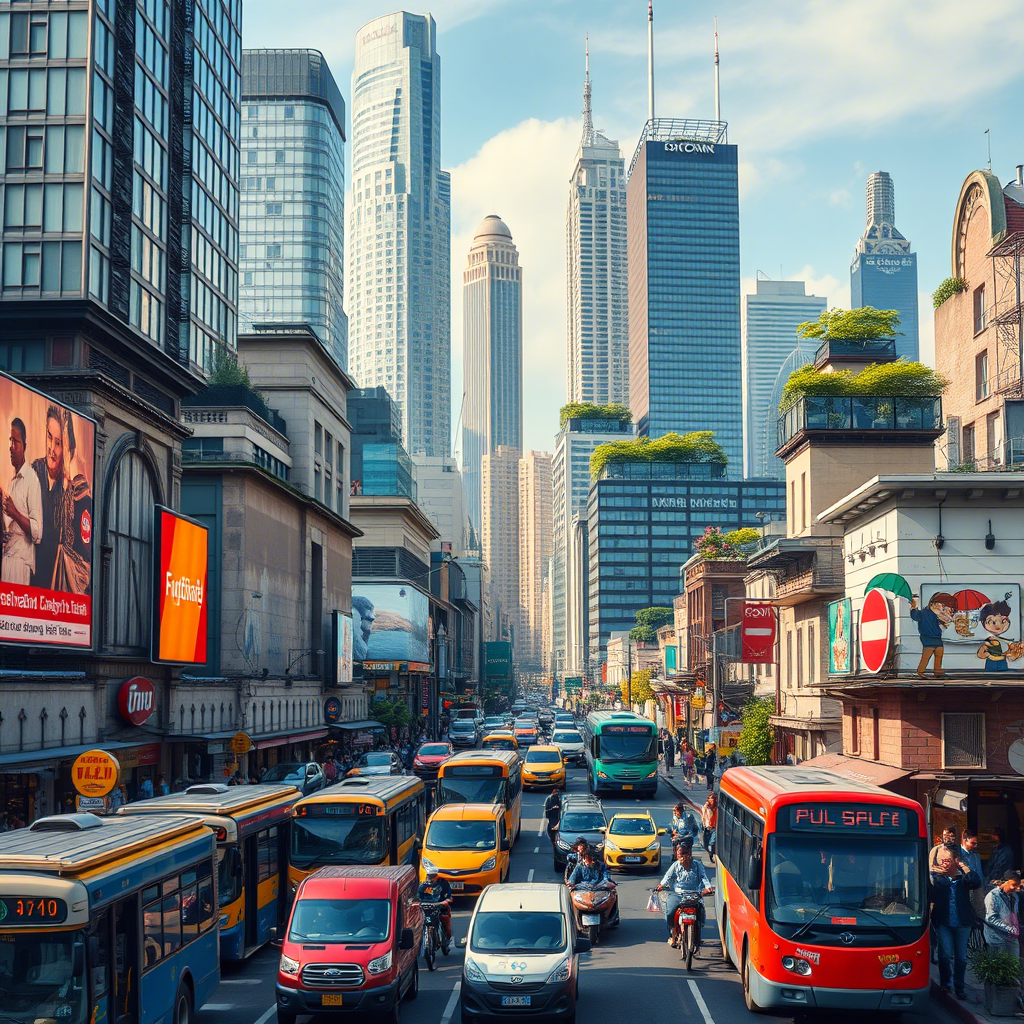
Understanding Adaptive Behaviour in Urban Space
Adaptive behaviour in urban space refers to the ability of individuals and groups to modify their habits, decisions, and interactions in response to urban environments. These adaptations are shaped by factors such as economic conditions, infrastructure availability, cultural influences, and government policies.
Some key aspects of adaptive behaviour in urban space include:
-
Mobility Adaptations: How people adjust their commuting patterns based on transportation availability, economic constraints, and urban congestion.
-
Social Adaptations: The ways in which people form communities, integrate with diverse populations, and create informal support networks.
-
Economic Adaptations: How individuals and businesses respond to economic pressures, including job market shifts and cost-of-living challenges.
-
Environmental Adaptations: The measures taken to cope with climate change, pollution, and urban expansion.
Through these adaptations, adaptive behaviour in urban space becomes an essential survival strategy, allowing urban populations to function effectively despite external challenges.
Mobility and Transportation: A Key Element of Adaptive Behaviour in Urban Space
One of the most visible aspects of adaptive behaviour in urban space is how people navigate cities. Urban residents adjust their commuting habits in response to infrastructure limitations, traffic congestion, and economic constraints.
Some examples of adaptive behaviour in urban space related to mobility include:
-
Carpooling and Ridesharing: Many city dwellers share rides to reduce costs and navigate heavy traffic.
-
Use of Public Transport Alternatives: Buses, metro systems, bicycles, and walking have become popular solutions for avoiding traffic congestion.
-
Flexible Work Arrangements: The rise of remote work and flexible office hours reduces the strain on public transport and road networks.
Additionally, the development of smart transportation systems—such as real-time traffic updates, electric vehicle charging stations, and bicycle-sharing programs—enhances adaptive behaviour in urban space by providing commuters with multiple travel options.
Social Adaptations in Urban Living
Social interactions play a significant role in adaptive behaviour in urban space. As cities grow more diverse, people adjust their behaviors to integrate into multicultural environments, maintain security, and foster a sense of community.
Key social adaptations include:
-
Gated Communities and Security Measures: In response to rising crime rates, urban dwellers invest in security systems or move to gated communities.
-
Informal Support Networks: Community kitchens, self-help groups, and local organizations provide support for those struggling financially.
-
Cultural Assimilation and Hybrid Identities: Migrants and newcomers blend their traditions with local customs, creating vibrant multicultural urban spaces.
These social strategies demonstrate how adaptive behaviour in urban space enables individuals to establish a sense of belonging and social stability in urban settings.
Economic Adaptations in Urban Environments
Economic survival in cities requires innovative strategies, leading to unique patterns of adaptive behaviour in urban space. Many urban dwellers engage in informal trade, side businesses, or alternative employment models to cope with rising living costs.
Some key economic adaptations include:
-
Street Vendors and Informal Markets: Many individuals turn to street vending, home-based businesses, and freelance work to generate income.
-
Co-Living and Shared Workspaces: Rising rental costs have led to the popularity of co-living spaces and shared office environments.
-
Flexible Employment Models: Part-time jobs, contract-based work, and gig economy participation help individuals balance financial stability with job security.
These economic adaptations illustrate how adaptive behaviour in urban space is shaped by necessity, creativity, and resilience.
Environmental Adaptations: Coping with Climate and Urban Challenges
Climate change and environmental degradation have forced urban dwellers to modify their lifestyles, showcasing another dimension of adaptive behaviour in urban space. Rising temperatures, pollution, and unpredictable weather patterns require constant adaptation.
Some notable environmental adaptations include:
-
Green Infrastructure Initiatives: Rooftop gardens, vertical farming, and tree planting help counteract pollution.
-
Eco-Friendly Transport Choices: Bicycles, electric scooters, and carpooling reduce carbon footprints in urban areas.
-
Water Conservation and Recycling: Households and businesses implement rainwater harvesting and waste recycling to address resource scarcity.
These adaptations highlight how adaptive behaviour in urban space is essential for ensuring environmental sustainability in rapidly growing cities.
Technology and Smart Cities: The Future of Adaptive Behaviour in Urban Space
As technology transforms urban life, adaptive behaviour in urban space continues to evolve. Digital innovations and automation shape how people interact with their surroundings, making cities more efficient and accessible.
Technological adaptations include:
-
Smart Traffic Management: AI-powered traffic systems and navigation apps help commuters avoid congestion.
-
Digital Payments and E-Commerce: Online shopping and digital banking have become essential in urban economies.
-
Remote Work and Virtual Collaboration: The rise of work-from-home models demonstrates a major shift in adaptive behaviour in urban space.
By embracing technology, individuals and communities can enhance efficiency, demonstrating the ongoing evolution of adaptive behaviour in urban space.
Challenges to Adaptive Behaviour in Urban Space
Despite its benefits, adaptive behaviour in urban space faces several challenges, including:
-
Economic Disparities: Not all urban residents have equal access to resources, making adaptation difficult for marginalized communities.
-
Infrastructure Gaps: Poorly planned urban spaces can limit mobility, safety, and accessibility.
-
Climate Vulnerability: Frequent natural disasters, pollution, and urban heat waves force continuous adaptation, often at a high personal cost.
Addressing these challenges requires urban policies that support inclusive growth and sustainable urban development.
The Future of Adaptive Behaviour in Urban Space
As cities continue to grow, adaptive behaviour in urban space will remain essential. Future trends may include:
-
Increased Reliance on AI and Automation: From smart homes to self-driving cars, technology will continue shaping urban life.
-
Sustainable Urban Planning: Cities will incorporate more green spaces, pedestrian-friendly infrastructure, and eco-friendly buildings.
-
Community-Led Initiatives: Local collaborations and grassroots movements will play a key role in shaping adaptive urban strategies.
Recognizing and supporting adaptive behaviour in urban space will be crucial in creating more livable, resilient, and inclusive urban environments.
Conclusion
Adaptive behaviour in urban space is an essential part of city life, shaping how individuals and communities navigate urban challenges. From transportation and social networks to economic survival and environmental strategies, adaptation is key to thriving in complex urban environments.
This study has explored how adaptive behaviour in urban space manifests across different aspects of daily life. Understanding these patterns allows policymakers, urban planners, and researchers to develop inclusive and resilient urban environments. As cities continue to evolve, adaptive behaviour in urban space will play an even greater role in ensuring sustainable and livable urban futures.
Also read: Low-Income Housing: Approaches to Help the Urban Poor Find Adequate Accommodation