

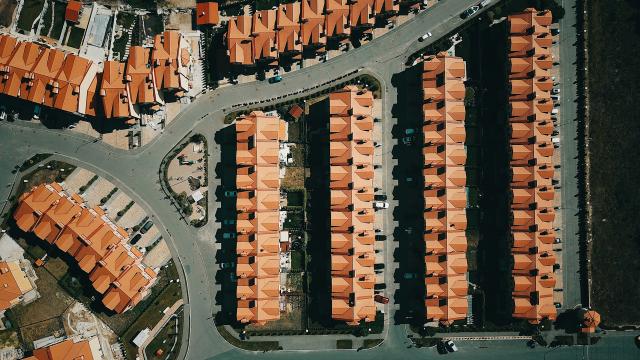
Top 10 Affordable Housing Trends to Watch
Affordable housing has emerged as one of the most pressing concerns for communities around the world today. As cities swell, wages remain flat, and everyday expenses climb quicker than paychecks, countless households are left searching for safe, steady, and reasonably priced homes. In reaction to this growing shortfall, fresh approaches are surfacing that blend optimism with on-the-ground practicality. These ideas move past the familiar model of low-cost units; they incorporate emerging technology, cooperative neighborhood action, and bold policy shifts that treat housing not as a market asset but as an inalienable human right.
Public authorities, charities, builders, designers, and enterprising citizens are rethinking how housing is conceived, funded, and governed so that it serves everyone and protects the planet. Although the tactics range from tiny spatial tweaks to far-reaching zoning overhauls, they share a single aim: widen affordable access and shape neighborhoods that are fair, resilient, and ready for the future.
This blog examines ten cost-conscious housing trends now redefining urban development. Each movement mirrors twenty-first-century values-whether climate-resilient design, social inclusiveness, efficient building practices, or digital tools-that shape the way people expect to live. Whether you serve as a policymaker, planner, architect, advocate, or just an engaged neighbor, knowing these currents helps you see the future of affordable housing and ponder your role in advancing it.
Modular and Prefabricated Construction is Redefining Speed and Cost
Modular and prefabricated construction is rapidly changing the way houses are built, pushing speed and cost in new directions. Instead of framing a house one board at a time on-site, manufacturers prepare modules in a factory, then lift the near-finished rooms onto the foundation. Because the bulk of work happens out of view, delays from weather, noisy streets, and unpredictable labor vanish, taking pressure off budgets in the process. Factory assembly also permits tighter quality checks: wiring, plumbing, and even cabinetry go into each unit in controlled conditions before the truck leaves.
When a city faces a spike in homelessness or when floods wipe out blocks, whole neighborhoods can rise overnight from pre-made cubes. Developers are now inserting these modules into aging districts, stacking them on roofs or sliding them into alley lots that planners once dismissed. City halls are responding; friendly zoning rules and leaner inspections let builders turn modest blueprints into affordable towers. By clearing that final hurdle, public officials hope to harness these efficient factories and speed up the delivery of homes for families who need them.
Zoning reform and policy innovation are unlocking new housing opportunities
The affordability crisis is not only about how many homes the market can build; it is also about the rules that govern where and what can be built. Outdated zoning codes-fixated on minimum lot sizes, steep height caps, and single-family exclusivity-have blocked the flow of lower-cost and varied housing types for decades. Today, a growing number of cities are pushing these barriers aside in an effort to clear room for more open and flexible development. Several jurisdictions have already scrapped single-family zoning, opening the door for duplexes, triplexes, and accessory dwelling units on every lot.
Others are jumping on transit-oriented development, planting dense, walkable neighborhoods around train and bus lines so residents can leave cars behind. Mandates known as inclusionary zoning, which ask builders to set aside a set share of units for low- and moderate-income households, have also started to spread.
Together, these reforms expand the overall supply of homes and chip away at patterns of segregation by income and race. Meanwhile, community land trusts, targeted rent controls, and property tax breaks for nonprofit builders work alongside the zoning changes to keep prices stable over the decades to come. Taken together, this wave of policy experimentation shows that many cities are slowly rethinking land use as an issue of housing justice, and if sustained, it could open the door to millions of affordable homes for families shut out by the current system.
Community-Led Housing Models Are Reclaiming Ownership and Agency
Across North America and beyond, clusters of neighbors are stepping up and designing homes that are steady, shared, and affordable over decades. These experiments take many forms: community land trusts, housing cooperatives, co-housing neighborhoods, and others. In a land trust, a nonprofit holds the ground and sells or rents dwellings at prices far below the neighborhood peak. Buyers therefore build equity without opening the door to speculation or runaway appraisal. Cooperatives let members own the whole building together, vote on budgets, decide repairs, and choose rules, so authority stays local. Co-housing adds shared kitchens, gardens, and laundry, which cuts individual costs and nudges neighbors into daily conversation.
Out of this mix people find stronger economic security and renewed friendships in places that long stood apart. Because residents control the asset, pride, power, and stability grow alongside affordability and shelter. These models prove that housing is not a mere commodity; it can also anchor civic involvement, cooperation, and resilience.
Green and Sustainable Design is Shaping the Future of Affordable Living
As climate change keeps speeding up, the link between being green and being affordable grows clearer every day. Low-income families bear the brunt of heat waves, floods, dirty air, and other hazards because they usually live in the most exposed places. On top of that, monthly energy bills eat up a bigger share of their budgets than of wealthier households. What used to be seen as designer extras-passive-house specs, efficient appliances, rooftop solar, thick insulation-is now moving into budget projects so they stay sturdy during shocks, cut costs over time, and lift health. Builders are adding those features into new buildings and retrofits alike.
Because power and water use drops, the extra upfront cost pays off through smaller bills and less money spent on repairs. On top of that, many eco-minded projects add parks, smart drain systems, and bike lanes that make the whole neighborhood nicer to live in. Grants, tax breaks, and other public dollars keep these improvements within reach for developers, proving that green housing can pencil out. As fights for environmental and housing justice overlap more than ever, sustainable design has shifted from a bonus to a must-do if cities want to protect both people and the planet.

Digital Platforms and Smart Technology Are Increasing Access and Efficiency
Recent advances in digital technology are beginning to overhaul the way affordable housing is conceived, accessed, and managed. Online platforms now streamline tasks that once consumed days, from tenant applications to routine property maintenance, giving residents and managers alike more time and lower bills. Web-based matching tools pair households with open units almost instantly, and nested data analytics reveal trends and gaps in supply and price that guide sharper policy choices. At the same time, smart appliances-energy monitors, automated lighting, door sensors-are being installed in subsidized homes to cut bills and bolster safety.
Virtual sketch pads and Building Information Modeling (BIM) let architects and builders plan in three dimensions, shrinking waste and squeezing stored materials into every corner. On the finance side, block chain ledgers and mobile lending apps promise faster, clearer access to the capital hard projects need. Such models have special weight in neighborhoods where banks and data lines are scarce. Yet the digital divide remains, so community groups and local governments are working to equip low-income households with the devices and training they need to share the benefits. Because digital tools are now widely available, they could change the way society builds and looks after affordable housing over the coming decades.
Adaptive Reuse of Existing Buildings is Unlocking Hidden Housing Potential
One of the most effective yet rarely employed tactics for easing the affordable housing crunch is adapting older buildings to new uses. Across North America-and well beyond-empty offices, motels, shuttered schools, and underused malls are steadily being reimagined as affordable homes. The practice makes use of existing plumbing, wiring, and locations, so it saves both money and a large share of the carbon that fresh construction usually emits. Because renovation moves faster than ground-up building, the approach delivers units at a speed critical for neighborhoods facing urgent shortages.
Adaptive reuse thus becomes a realistic tool for urban renewal. In cities emptied by economic shifts-rundown post-pandemic downtowns, for example-these projects inject activity and foot traffic back into hollow streets. They also provide a chance to safeguard architectural landmarks, weaving preserved facades and historic details into modern housing. Developers who partner with local planners now find that clearer zoning, more flexible codes, and modest financial incentives can tip these conversions from risky to profitable while serving the public good.
This approach intersects squarely with the broader goal of sustainability. Giving an old building a new purpose creates far less demolition waste, uses fewer raw materials, and spares the surrounding landscape from heavy disturbance. Skillful design can then turn outdated floor plans into energy-smart homes fitted with modern conveniences such as high-efficiency heating, smart appliances, and extra insulation. Because many of these structures sit in historic, central neighborhoods, they place residents within walking distance of jobs, schools, and transit hubs, which in turn cuts daily travel times and costs.
Yet successful projects hinge on genuine community input and plain-spoken governance from the outset. When planners listen and hold the process open, reuse can repair and strengthen fragile neighborhoods instead of pushing low-income households out. Backed by sturdy public-private alliances and inventive architects, cities can reshape empty lots and cracked facades into parks, studios, and subsidized flats, turning dormant liabilities into shared resources. As metropolitan regions keep shifting, adaptive reuse emerges as a practical, large-scale answer to the affordable-housing crunch, particularly where land is scarce or economies are in flux.
Public-Private Partnerships Are Expanding What’s financially possible
Money matters continue to be one of the toughest barriers to creating and protecting affordable homes, particularly in cities where profit-driven builders dominate and land costs soar. To tackle the problem, many local and state governments are turning toward public-private partnerships, hoping to close financing holes, share risk, and increase the scale of practical remedies. By bringing together public dollars, private investment, and the mission-focus of nonprofit leaders, these collaborations can spark fresh ideas and make projects financially workable in ways that any single sector would struggle to do alone.
Yet public-private partnerships come in several packages. Authorities may lease city land at a fraction of its market value, speed up permits, or offer low-cost loans and tax breaks. In exchange, private builders commit to set aside a share of affordable units within larger mixed-income developments. Such terms lower the investors exposure while writing key public goals-affordability, local hiring, and green design-into the project from the outset. Nonprofit housing groups frequently step in as project stewards, making sure local voices are heard and that rents stay reasonable for years to come.
Successful public-private partnerships sit on a foundation of alignment: every partner must commit to fairness, openness, and a future-minded plan. That commitment shows up in clear rules for accountability, early outreach that invites residents to shape the work, and careful checks to make sure homes stay priced within reach. Governments, for their part, have to negotiate shrewdly so builders meet their promises and public dollars don t disappear after the ribbon-cutting.
Cities already prove the idea in practice, from New York s Mitchell-Lama program to Vancouver s lease-to-own projects. Crafted with care, the model can also invite daring ideas-modular building, living roofs, city-wide wi-fi-that one outfit alone might never risk. With tax rolls squeezed and community need rising, such partnerships are fast moving from useful to vital. Yet joint action is not magic. Managed well, it fuses public watchfulness with the private sector s speed, scale, and flexibility, stretching the boundaries of affordable housing. As more city halls hone the approach, expect PPPs to keep altering the map of who gets to call a house home.
Cultural-Specific Housing is Meeting the Needs of Marginalized Communities
In recent years, a powerful and expanding trend within affordable-housing policy has been the launch of culturally tailored projects aimed at meeting the unique needs of historically marginalized communities. Such initiatives produce far more than low-rent units; they integrate intentional design elements, on-site support services, and day-to-day practices that respect and sustain the cultural identity of every family. The model has taken hold among Indigenous nations, immigrant communities, LGBTQ+ folks, older adults from varied backgrounds, and many others long left outside mainstream housing programs.
Culturally specific housing rests on the belief that dwellings are never blank boxes; they tie directly to identity, belonging, safety, and pathways to healing. For example, an Indigenous-led development might add sweat lodges, healing rooms, and open meeting places framed by customary governance. In the same way, LGBTQ+ housing projects stress security, welcome, and access to targeted health or legal care, filling the void left by general shelters or mixed-income schemes that can turn hostile toward queer and trans residents.
Such initiatives typically arise within the community itself, led by grassroots groups and respected elders who champion their neighbors housing struggles. Advocates quickly agree that low rents matter, yet affordability on its own falls short; real housing justice also demands respect, a sense of belonging, and help that honors local culture. Depending on the group being served, planners might weave in access to language, sovereignty over food, intergenerational households, or layouts that soothe trauma.
Supporting these models, however, is tricky because most funding and policy systems still picture housing as a generic product. Culturally anchored plans therefore often slip through the cracks, since many grant streams reward uniform designs. Slowly, though, the policy tide seems to be turning. A growing number of jurisdictions now score grant applications by how well they honor specific cultural ways, and some even earmark public land for projects led by Indigenous or immigrant communities.
As urban populations become ever more mixed and their housing demands more layered, culturally grounded answers will matter even more. Such projects do far more than offer a roof; they help mend wounds left by past injustices, strengthen bonds among residents, and lay down pathways to resilient tomorrows. When a housing strategy claims to be inclusive, therefore, putting culture at its center is not an afterthought; it is the surest way to make every resident feel safe, seen, and genuinely supported in the place they call home.
Conclusion
Affordable housing is no longer about making more units, but it is about redesigning the systems, restructuring barricades, and creating humanity-centered designs. The emerging trends discussed in this blog represent the new era of innovations that will impact all elements of the housing equation: the way the housing is constructed, land use approaches, community empowerment, the green environment, and computerization. Every trend is a reaction to shortcomings of the past and a plan towards a more just future.
The trend of modular construction, zoning change and community-based housing proves that cities can change, as long as they are not afraid of challenging the old rules and enabling people. Sustainable design and digital tools worked together, proving that there is no mutual exclusivity between affordability and innovation; they are closely intertwined, in fact. All these trends unveil the fact that affordable housing is not an object but a process that cannot stop and needs continuous adaptation, creativity, and engagement.
The road ahead is a challenge but it is an inspiring one to governments, developers, nonprofits, and residents. It entails listening to people, open to innovation and making sure that every policy, strategy and project takes us full steam ahead to the world where safe, dignified and affordable housing is the right of everyone. These changing trends help us appreciate ways in which we can create cities within a context of affordability, but also fair and inclusionary and resilient cities.









LEAVE A REPLY