

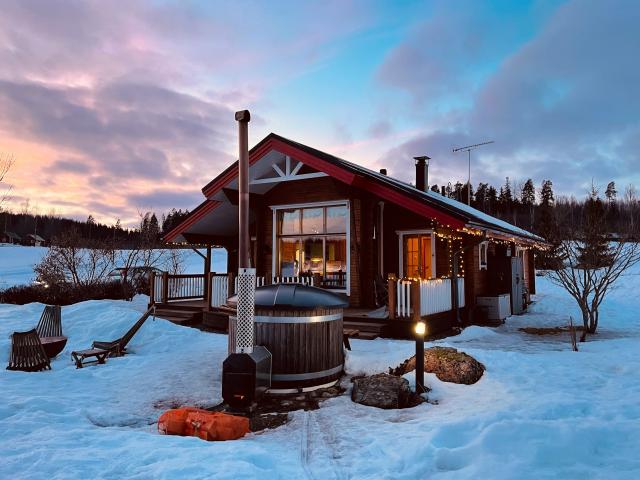
Tiny Homes Post-Disaster: Quick and Cheap Relief Housing
When calamity occurs-a wildfire, hurricane, flood, or quake-countless people can lose their homes in minutes. Standard relief efforts usually pitch temporary tent cities, open gymnasiums as emergency shelters, or wheel in trailer units, yet all these options fall short on comfort, dignity, scalability, and long-term viability. As climate shocks and human-made crises keep escalating, rapid-housing planning must pivot toward solutions that marry speed, cost control, and respect for affected lives. In this shifting context, small dwellings-now popularly labelled tiny homes-appear as a nimble and adaptive answer.
Classically seen as spaces below 400 square feet, tiny homes can be built off-site, hauled on trailers, and set up with surprising speed. Because they are insulated, lockable, and weather-tight, each unit restores privacy, security, and everyday autonomy that tents or tarps never provide. In turn, local governments, NGOs, and grassroots collectives are piloting tiny-home villages and mobile fleets as credible replacements for conventional post-disaster housing. These units thus evolve beyond mere shelter; together, they form the keystones upon which wider community recovery can rise.
This blog looks at the role of tiny houses in emergency recovery and considers whether they might shift the way communities plan for shelter after loss. It weighs their cost, assembly speed, emotional influence on residents, and the ways local leaders and policy rules affect where and how they are placed. By studying existing projects and facing both obstacles and successes, we open the door to making tiny housing a routine part of preparedness so that families do more than endure a shock-they start to rebuild with security, hope, and human dignity.
Rapid Deployment and On-Site Assembly
The clearest benefit of tiny homes in a disaster is the speed with which they can arrive. When people linger for weeks or months in tents or gymnasiums, the strain on body and mind multiplies. A small, mobile unit can be manufactured, trucked, and set on a foundation in a matter of days, far quicker than conventional rebuilding or a full government camp. Pre-cut, prefabricated versions can even be kept in regional warehouses and rolled out the moment roads reopen, providing a near-instant answer to what is usually a chaotic and supply-starved situation.
Compared with standard building projects, which demand an array of permits, onsite grading, and lengthy schedules, tiny houses can arrive on trucks as flat-packed kits or come off a factory line as modular sections that drop into place. Their small footprint and easy logistics let crews set them down almost anywhere-empty fields, vacant parking lots, or lots pressed against the fringes of a disaster zone. Because many designs carry pre-approved plans and canisters of ready-to-deploy supplies, local officials face far fewer regulatory hurdles and can move forward almost at once.
Materials selected for post-crisis units emphasize strength, weight, and insulation against heat and cold. Shells finished in metal skin, core panels built of rigid foam, and boards treated for flames give each dwelling the toughness to face storms, dust, or sun while staying light enough to tow or crane when the site shifts. In regions that shake, frames are stiffened and anchored to resist tremors, while in areas prone to floods, piers or axle-mounted skids elevate the floor well above predicted crests.
Inside, tiny homes package their own utilities even when public networks are out of service. Solar cells on rooftops, compost toilets, rainwater catchers, and wall-mounted propane heaters turn each unit into a small power and plumbing hub. That built-in independence means they can provide light, waste disposal, and hot water during those urgent first weeks or months after a storm, quake, or fire, long before full city repairs are completed. Tiny houses cut construction time and limit deep site prep, offering a quick, flexible way to replace lost shelter and restore daily rhythms far sooner than regular building practices. When communities are reeling from disaster, quick action matters most, and these compact dwellings answer that need head-on.
Affordability and Economic Scalability
Another notable advantage of tiny houses lies in their low cost, which makes them a practical choice for communities recovering from disasters, where budgets are often tight. While conventional emergency units such as FEMA trailers may exceed $100,000 each, many small relief cabins can be designed, built, and delivered for $10,000 to $30,000, depending on site choices, materials, and local labor. That price difference enables governments and aid agencies to shelter far more families without exhausting the recovery fund, maximizing benefit in those urgent first weeks after a storm or fire.
Costs shrink further thanks to the rise of modular building and small-scale fabrication close to the disaster zone. Local NGOs frequently team up with neighborhood carpenters, vocational colleges, or even work-release programs to assemble the homes, cutting freight fees and injecting wages into the community. At the same time, crowd sourced donations and philanthropic grants provide the cash needed up front, giving everyday citizens a straightforward way to stand beside survivors and see their support take solid form.
In many disaster-planning contexts, builders assemble tiny houses from donated or salvaged supplies-scrap timber, salvaged metal sheets, and even reimagined shipping containers. Such sourcing trims expenses and keeps waste out of landfills, an obvious win for sustainability during fragile recovery. When normal supply lines break, relying on local treasures can turn a months-long wait for shelter into shelter handed out in days.
Tiny villages are also inherently scalable. A local government or aid group can set down a handful of units and then add more as demand grows. This step-by-step rollout lets planners track costs and adjust crew hours while the population of those needing roofs changes. Because it avoids the monumental financing and lead time of highways or full apartment blocks, a tiny-home program can stretch, shrink, or shift focus almost overnight.
Perhaps most important, a low price tag lays the groundwork for smarter planning down the road. After emergency need fades, the same units can become permanent affordable apartments, vacation rentals, or simply sold to families still struggling. Their usefulness does not evaporate when headlines move on, and that durability makes them a wise bet for anyone weighing spare dollars against both instant help and future resilience.

Restoring Dignity and Psychological Stability
Natural disasters do more than level buildings; they disrupt everyday life, scatter routines, and test even the strongest minds. Emergency shelters, while vital for physical safety, rarely address the deeper emotional wounds that follow. Crowded dormitories that offer scant privacy or control push residents into a cycle of heightened anxiety, repeated trauma, and creeping loss of self. Introducing tiny homes begins to reverse that spiral by giving survivors ownership of their space, the freedom to choose, and a private oasis essential for healing.
Even a dwelling of less than four hundred square feet delivers a lockable, manageable setting that feels like home. Within those modest walls occupants can arrange furniture, hang family portraits, keep regular hours, and reclaim pieces of normal life. Parents find room to care for children, elders encounter calm without constant crowding, and at-risk neighbors gain shelter free from prying eyes or random danger. As routine returns and simple choices multiply, the shift from passive victim to active agent in recovery gains real momentum.
The mental health gains go far beyond the added privacy a lock on the door provides. Being in a steady living space establishes a daily rhythm, a routine that trauma survivors desperately need. When compared with temporary shelters, tiny houses offer decent hygiene, reliable food storage, and room for basic health checks-conditions that significantly lift a person's mood. Residents regularly say they feel safer, sleep better, and hold on to more hope once they gain control, however limited, over their own four walls.
Tiny houses also sit inside planned village-like layouts, so survivors receive more than shelter; they step back into community life. Most of these clusters include shared kitchens, small clinics, counseling booths, or simple green spaces where conversations and friendships can grow. Such peer networks act like informal support teams, cutting down loneliness and speeding up emotional recovery. In short, tiny homes rebuild not only physical shelter but also the inner scaffolding people need to feel whole again. After losing almost everything, owning a door to shut, a bed to claim, and the power to choose feels less like a privilege and more like the first real step toward healing.
Policy, Planning, and Institutional Integration
The impact of tiny homes on post-disaster recovery hinges on the quality of local and state policies, zoning rules, and horizon planning. Their promise often stalls when rigid land-use codes, building-inspections red tape, or local pushback block progress. Conversely, when authorities are flexible and forward-looking, clusters of tiny homes can be seeded quickly to shelter those who have lost their regular dwellings. Progressive cities have already woven tiny units into their disaster playbooks. Tactics include designating pre-approved sites, stockpiling materials or off-site modules, and setting up fast-track permits. Many municipalities now partner with non-profits and builders to meet safety codes and ensure that the homes can later feed into longer-term, affordable-housing networks.
Rules of the road-steering laws, permits, and codes-determine whether a tiny-housing project takes off or stalls. After a crisis, emergency orders can skirt zoning, yet only strong, permanent rules turn tiny villages into standard relief housing. States like California and Oregon now treat many units as accessory dwellings or short-term shelters, clearing a compliance path. Meanwhile, other jurisdictions are drafting new land-use categories for temporary dwellings that could later be upgraded into long-lasting homes.
Money, of course, matters. Charitable grants can launch a pilot, but plans that repeat and grow usually lean on public funds. FEMA, HUD, and sister agencies are reviewing where tiny houses fit in recovery programs, and some disaster awards now cover modular or on-site builds. Resilience insurance policies and dedicated funds are starting to see the units as a way to trim overall repair bills and speed return times.
If tiny homes are to settle into routine disaster response, they need official backers inside government. Only by joining planners, emergency chiefs, and housing advocates can these units weave into broader city and county climate plans. With the right rules, steady money, and designs that scale, tiny housing can shift from an afterthought to standard gear when futures are rebuilt.
Community Resilience and Long-Term Housing Solutions
Tiny homes do more than plug a gap in a crisis; they can become durable building blocks of resilient neighborhoods. After the emergency dust settles, clusters of these small dwellings often turn into permanent or semi-permanent homes for low-income families, seniors, and people with disabilities. Their pull-and-play flexibility therefore makes tiny houses vital not just for riding out a storm, but for reconstructing a fairer future.
In cities such as Austin, Seattle, and Sonoma, villages first thrown together for wildfire or flood survivors have been stretched, upgraded, and reshaped into stable micro-neighborhoods. Residents of these sites benefit from shared services, on-site clinics, job training, and classes that link daily living to broader opportunity. By working in this supportive ecosystem, many people shift from emergency living to self-sufficiency, with some later moving up to market or subsidized apartments.
Tiny homes also encourage greener lifestyles. Models include reclaimed materials, space-saving low-energy appliances, and rain-harvesting or grey-water fixtures that cut consumption. Using fewer inputs shrinks the environmental weight of rebuilding, an advantage that becomes all the more urgent as climate-related shocks multiply. Far from being merely nice to have, such sustainability is now a basic demand of any rescue-or-recovery plan.
Social resilience stands out as a key advantage of tiny home villages. Such neighborhoods tend to nurture a culture of shared support, joint governance, and communal duty. Residents might cook meals together, tend common gardens, or debate rules as a group. These daily interactions build a sense of belonging and ease the loneliness that often follows displacement. They also empower survivors by allowing them to steer their own recovery, transforming loss into active agency.
Tiny homes offer vital lessons in preparedness as well. Communities that build the necessary infrastructure early-whether through pilot programs, research projects, or low-cost prototypes-are far quicker to act when a crisis arrives. These forward-looking investments yield not only immediate shelter, but faster recoveries, tighter networks, and housing systems that bend rather than break.
As climate change speeds up and disasters multiply, cities and nations must seek housing solutions that are rapid, flexible, and ready for what lies ahead. Tiny homes are proving they can be more than a novelty; they can form a central pillar of modern urban resilience.
Tiny houses support greener habits and reduce disaster footprints. Many units use reclaimed wood, energy-saving appliances, and rain tanks or grey-water plumbing, all of which cut demand on fresh resources. By shrinking what goes in, builders lighten the carbon load of each rebuild-an edge that feels more urgent every storm, fire, or flood season. For this reason, such eco features have shifted from optional perks to minimum requirements in credible rescue and recovery plans.
The second major benefit of tiny-house villages lies in social resilience. Close quarters encourage a culture of shared aid, joint decision-making, and collective responsibility that larger projects seldom sustain. Residents might cook for one another, weed a common garden, or draft community rules over coffee. These routine exchanges weave ties that ease the isolation often left in the wake of displacement. More important, they hand survivors the tools to guide their own recovery, turning loss into practical agency.
Tiny-home experiments also teach vital lessons in preparedness. Communities that lay basic infrastructure early-whether through pilot builds, research grants, or budget prototypes-can launch emergency shelter far faster than those that start from scratch. The up-front spending pays off in quicker stays, tighter networks, and housing systems that flex instead of snap when the next shock arrives.
As climate change accelerates and extreme events grow more frequent, municipalities and nation-states need shelter strategies that can be delivered quickly, adjusted easily, and prepared for the uncertainties to come. Recent evidence shows that tiny homes are doing more than charming onlookers; they are becoming a vital backbone of twenty-first-century urban resilience.
Tiny homes are quietly reshaping the idea of emergency shelter in a world that seems to experience one disaster after another. They can be set up quickly, cost far less than traditional units, adapt to many sites, and, perhaps most importantly, give people a sense of dignity. Although they wont solve every housing problem, these small dwellings serve as a vital part of any balanced relief strategy, offering safety and stability at the moment they are needed most.
For tiny homes to deliver on their promise, they should sit inside a policy mix backed by steady public dollars and early teamwork among officials, residents, and builders. When those pieces work together, tiny units stop being Band-Aids and instead become planned parts of a stronger, more flexible housing network. Communities that adopt this pattern do more than ease short-term shortages; they lay down durable systems that shield at-risk people in tough times and forward fairness over the years. Treating tiny homes as one piece of a wide, unifying vision helps shape towns that face shocks with confidence while also treating every neighbor with dignity and care.
Also Read: Living Tiny House Movement in Sweden



-3dkuLgKhRD.jpg)
-49HupTvwDD.jpg)











LEAVE A REPLY