

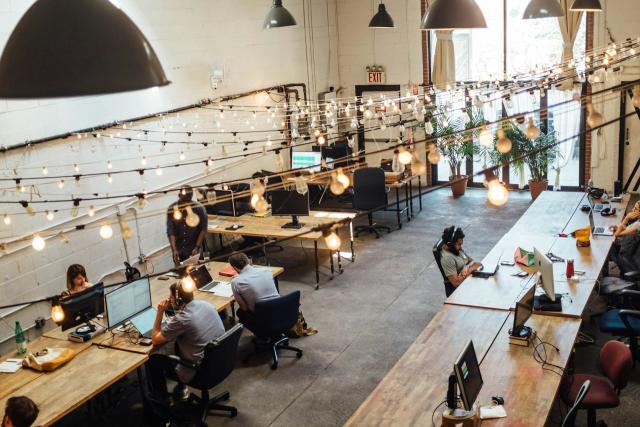
The Rise of Co-Working Spaces in Pakistan’s Cities
The past decade has quietly brought about a transformation in how Pakistan’s cities’ population works, keeps in touch and does business.
What used to be a society where everyone worked in offices and ranked by hierarchy is now changing to a more cooperative and flexible way of working. Karachi, Lahore and Islamabad are seeing an increase in co-working spaces which is one reason work culture is changing. Co-working spaces give more than a place to work; they are also changing the way we see work in today’s Pakistan.
More and more, millennials and Gen Zers reject the traditional office layout of permanent cubicles, strict charts and fixed hours as old-fashioned. They focus on independence, building connections and doing what matters and co-working offers them those opportunities.
Such environments encourage staff to bond, work with others from across the organization and adjust readily to new requirements. More and more digital nomads, freelancers, entrepreneurs and small business owners in Pakistan need modern and economic solutions that traditional offices cannot offer.
Changing Work Culture in Pakistan's Urban Landscape
In co-working spaces, working professionals use high-speed internet, meeting rooms and event spaces, thanks to the plug-and-play model that doesn’t require them to make long-term payments for property. It involves more than making workspaces pleasant or cost-effective; it also affects workers’ mindsets. It’s based on how employees want to join their work with other aspects of life. The idea that people work best when they feel connected, motivated and inspired by others is the reason social and work areas are mixed in these hubs. Coffee shops and coworking spaces encourage casual encounters and one might find themself working together with a graphic designer one day and a data scientist the next.
We’re witnessing a shift to an agile, efficient and open work environment through new co-working spaces, despite the usual issues with the law, progress and work systems. In a number of ways, these areas are supporting a new Pakistan, one that is full of young people, tech-driven and aiming for international success. Because these work areas are becoming typical, the culture of work in urban Pakistan will keep shifting and setting new norms, both for place and for attitude.
Entrepreneurship and the Start-up Ecosystem
There has been a huge increase in the startup industry in Pakistan over the past a few years and co-working spaces have certainly helped with this growth. As a rule, because startups are lean, quick to react and quite risky, they can’t usually afford to rent conventional office space while they are just getting started.
Now, the foundation of this new economy is made up of incubators, accelerators and co-working spaces. Daftarkhwan in Lahore, COLABS and The Hive in several cities aren’t only workplaces—they are vibrant communities where many business concepts begin, grow and frequently turn into successful companies. The hubs are designed to host networking events, workshops, mentorship sessions and investor meetings, helping entrepreneurs both work and take their company to the next level.
Job seekers profit from the group spirit and range of knowledge found in these shared workplaces. During their lunch break, founders from fintech companies may meet talented UX designers and block chain professionals and find themselves working together after that. When different talents meet in co-working spaces, the result is often an acceleration of new ideas.
In the fast and resource-poor environment of a startup ecosystem, this shared value is extremely useful. Besides, working out of a co-working space can give a startup more credibility with investors and customers. By working in an organized and professional workplace, you demonstrate professionalism and help build a good reputation with important groups.
It is especially necessary in Pakistan, where businesses depend heavily on trust and reliability. Making space for these businesses is not their only role—they want to build a community as well. Companies in these innovation areas support exploration, accept mistakes and promote new ideas which is changing the basis of economic growth in urban Pakistan. From here on, co-working spaces and startup incubators may slowly blend, offering investment, guides and an international presence along with work infrastructure. As a result of these changes, Pakistan’s startup world will be able to not only survive but truly succeed.
The Freelancing Boom and Remote Work Culture
With improved internet and easier access to digital tools, Pakistani freelancers and remote workers are growing in large numbers. Pakistan is now regarded as one of the best countries for freelancing because the youth account for much of the country’s service-providing activities through platforms like Upwork, Fiverr and Toptal. Consequently, there is now an increased number of freelancers wanting to use shared facilities outside their homes for work.
Co-working spaces provide the perfect way to meet this need. Knowing they can leave anytime and have low expenses, freelancers can easily start or move on from co working spaces. Because of the extra power sources, fast internet, comfy desks, multipurpose meeting areas and printing opportunities, these locations ensure remote workers can stay efficient at work. The community and order offered in a co-working space also help fight the isolation and exhaustion that can happen for freelancers.
Working from home without the social interactions of an office can soon feel repetitive and tiring for many creative and tech workers. Passing time with other inspiring people in a co-working space and attending networking events tends to make people more productive and happier with their jobs. Shared workspaces give you greater chances to meet new clients. A freelance developer could discover the next opportunity from a chat in the shared kitchen, yet a copywriter might join forces with a marketing agency on the same floor.
This type of connection often results in repeat jobs, tips for new contracts and shared projects that may not emerge if you’re alone. More foreign companies are now looking for skilled workers from Pakistan thanks to the growth of remote work. Many international companies currently employ Pakistani workers from home and co-working spaces help provide the structure and specialty required for these international roles.
Most companies like to see their remote employees at such spaces instead of at home, since these places ensure a sense of reliability and security. The rise of global freelancing and remote work is making co-working operators develop new specific packages and services.
A few agencies now offer 24-hour access to help workers in different time zones and some also help with business registration, visa applications and taxes for digital workers. In other words, co-working spaces are now the main environment for Pakistan’s online workers. Since remote work has grown after the pandemic and is most likely to continue, these spaces will influence the future of work more than ever. Not only will they aid freelancers and remote staff in Pakistan, but they will attract international clients searching for dependable and well-run businesses here.
Urban Development and Infrastructure Transformation
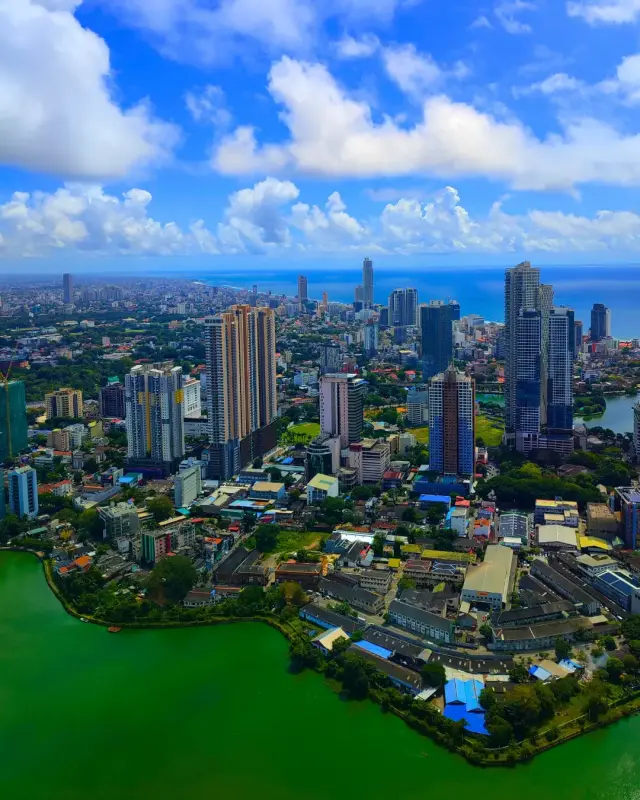
Working spaces sharing common areas are challenging traditional office culture and also transforming the look of urban areas in Pakistan. In the past, major commercial zones in cities like Karachi, Lahore and Islamabad were just a few places, where you’d find tall office buildings for companies and banks. But co-working spaces are helping to spread out commercial activity and provide new professional centers in many different areas, giving new life to underused properties.
Because of that, these workplaces are showing up more in mixed-use complexes, residential communities and small commercial locations, bringing work and living together. This transformation is important in cities that experience heavy congestion and inadequate public transport. When companies are established in suburban communities such as DHA in Lahore or Bahria Town in Rawalpindi, coworking makes travel to offices easier, boosts work productivity and gives a better balance to personal and work lives.
Besides, these companies take old and empty buildings and turn them into modern, attractive centers for innovation and cooperation. Several developers are adding co-working areas to new residential complexes and shopping centers to support the trend toward combined living, working and playing in cities. Most of Pakistan’s urban, young generation are drawn to the integration because they care about being convenient, having a good lifestyle and being mobile.
City authorities and developers are beginning to see how co-working spaces impact city design and commercial real estate. When the need for flexibility rises, many businesses in the sector are working with co-working firms to meet tenant demands. Higher demand has encouraged upgrades in infrastructure, particularly IT connections, interior design and saving energy. Co-working operators are making sure internet, power and smart building solutions are all part of the services they offer—services that are now important for all office buildings.
Besides such places are creating new trends in both interior and environmental design. The use of sunlight, ergonomic furniture, live plants and healthy amenities is giving co-working spaces a higher standard of design and atmosphere. In effect, they are urging traditional corporate offices to either innovate or be left out. Since cities in Pakistan are growing in all directions, co-working spaces provide an adaptable answer to the nation’s rising needs for office space.
They enable cities to manage urban space more conveniently and serve workers who are continuously moving. If urban planning in this country struggles to keep up with changing populations, co-working spaces might give us an idea to develop cities that support communities, adapt to changing needs and make better use of technology.

Women and Inclusive Work Environments
One of the main achievements of the co-working movement in Pakistan is the inclusion of women in the workplace. For years, females working in Pakistan have struggled to find jobs due to social pressure, poor safety, a lack of adequate infrastructure and inflexible work schedules. These spaces are subtly breaking down these barriers and making new opportunities for women at work.
Many times, these areas act as warm and secure places for women to base their work away from typical, male-lead office settings. Nowadays, various co-working spaces design their spaces to meet women’s security concerns by ensuring safe areas, places only for women, readily available childcare and a zero-tolerance policy for harassment. Having these features ensures women are safe and family members are pleased to support them in growing a career or business.
Women starting up on their own often need this environment in order to gain confidence, make connections and attract the right attention. Women starting businesses from home often have a hard time being recognized or forming good connections. With many events, access to mentors and the chance to meet potential investors in a co-working space, founders can grow their businesses more easily. Certain spaces have set up programs for women alone, for example, women-only boot camps, networking clubs and professional events.
They give women a chance to form relationships both among themselves and with the larger startup world. In addition, working in these groups makes women feel less isolated from those in male-dominated industries like tech or finance. With a mix of designers, marketers, writers and developers, these organizations become more inclusive and give credit to talent regardless of gender.
The situation in Lahore is already a good example, as women-owned startups in fashion, wellness and marketing are doing well, with many working in popular co-working locations such as COLABS and Kickstart. More and more women are joining in co-working spaces and entrepreneur events in Islamabad and Karachi. In fact, co-working spaces help to change gender norms by highlighting women in key and visible positions.
They help women share, cooperate and compete in an environment where organizations are less strict and merit is easier to spot. As a result, more women are encouraged to build their careers and the families and communities around them notice the impact of women who are empowered. As ideas about women and work change, co-working spaces will help narrow the gap between men and women in Pakistan’s business scene.
They help us see a better future where background, gender or where you live no longer limits chances, but just talent, drive and local support matter.
Technology Integration and Digital Transformation
A strong technology system is what allows any co-working space to function smoothly and supports everyone in collaborating and working productively. In Pakistan, thanks to the increasing development of the digital economy, co-working spaces are helping to drive this growth.
They aren’t just spots on maps—these hubs include technology to give digital workers the facilities they need. Nowadays, many co-working spots in Pakistan offer superior internet speeds, cloud-controlled access, smart lighting, energy features and easy to use conference systems. Such features help people working online with clients from different time zones, as well as those in startups who need to present to investors or freelancers working in global environments.
With more technology, banking professionals can stay uninterrupted and share the same level of competition with banks worldwide. Besides shared workspaces, numerous co-working companies include cloud storage, tools to help boost productivity, online reservation systems and communication systems in their packages. Since technology is being embraced by more and more young professionals in Pakistan, this digital strategy is necessary.
With 100 million internet users and a swiftly growing digital market in South Asia, Pakistan is ready to embrace technology. Co-working spaces are steering the way in supporting digital skills training. A number of them host workshops and present webinars and training on the latest topics such as artificial intelligence, blockchain, UI/UX design and data analytics. While we improve members' skills, we’re also creating a community of professionals who can drive progress, adjust and guide us.
Many spaces now join forces with tech firms, incubators or NGOs to offer coding boot camps, help with e-commerce and guide startups, solidifying their part as hubs for digital training. Moreover, modern technology is making it possible to manage these locations in different ways. Applications are being used at co-working campuses to manage users, control attendance, book available rooms and request food. Because technology is well-integrated, service is enhanced and personalized to each user.
Thanks to the pandemic, people turned to digital media even faster. As a result of the COVID-19 pandemic, many co-working spaces switched to hybrid arrangements, virtual offices and online tools to keep working. It proved that these hubs were able to handle change, think creatively and prepare their work spaces for the future.
Conclusion
Co-working spaces are helping to positively transform Pakistani cities by giving flexible, inclusive and technological spaces for today’s professionals. They assist startups, freelancers and women and they help the economy and improve cities. With faster digital changes and office models adapt, these communal areas will be crucial in influencing the work landscape in Pakistan. Apart from infrastructure, they help promote new ideas, team working and community spirit. If more financial support and resources are available, co-working spaces have the potential to help Pakistan’s economy become more varied, fair and linked to the outside world.
Over the next years, co-working spaces in Pakistan are expected to get smarter and more advanced. In many parts of the world, technologies including virtual reality conferencing, biometric access and AI for allocating desks are being tested and may soon appear in Pakistan’s shared office spaces. Because technology is changing workplaces, co-working spaces will play an important role. Not only are they getting involved in digital technology, but also steering its development.
Also Read: A Comprehensive Analysis Of Pakistans Housing Market




-bsBmIgEW58.jpg)
-5yCS4OoVBg.jpg)




LEAVE A REPLY