

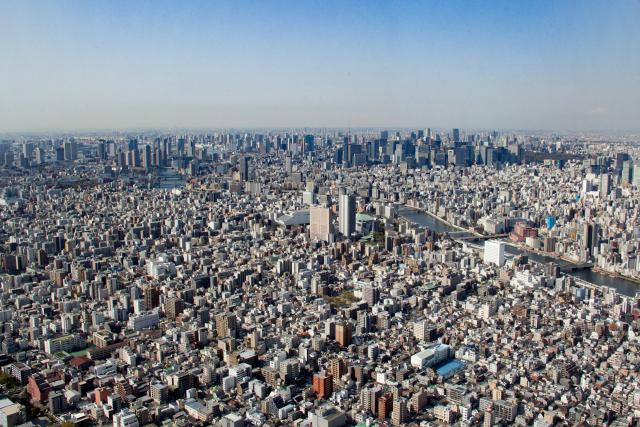
The Hidden Cost of Urban Sprawl: Pakistan’s Shrinking Farmlands
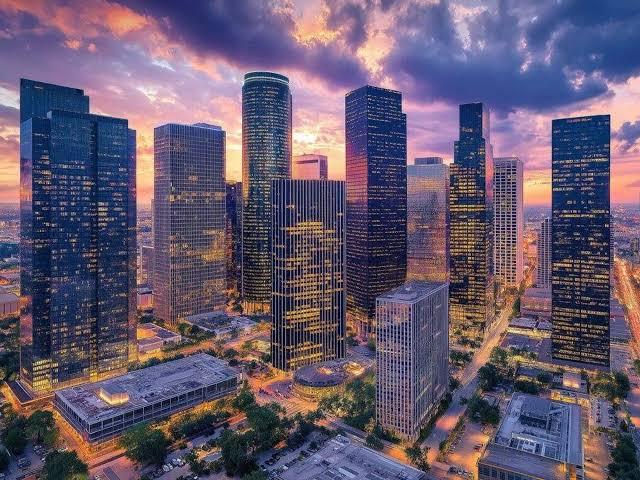
Urban sprawl is often associated with achievements. More city areas, higher towers, large neighborhoods and the fancy retail spaces seem to show progress and wealthy living. Recently, Lahore, Islamabad, Karachi and Faisalabad in Pakistan have developed rapidly, sweeping up nearby villages and farmland within their expanding boundaries.
Though people easily see the modern side of urban expansion, it leads to a serious and rarely mentioned result: the fast loss of land used for farming. More and more, farmland that used to provide for cities is being taken over by housing and office complexes. As a result, food security, the way villagers earn their living and the environment are all at risk across India. It doesn’t only affect numbers; the shortage of farmlands is shaping the way the country grows its food and its economy.
The Disappearing Fields: A Looming Crisis
The foundation of Pakistan’s economy for years has been agriculture. Many people still depend on farming, directly or indirectly, for their incomes. As cities grow without being controlled, it is causing this important industry to be squashed into smaller, less connected parcels. What used to be green wheat, rice, vegetable and fruit fields on the edges of cities is now being covered in cement and asphalt. There are few rules when agricultural land is converted for real estate development purposes. Because they expect big profits, some landowners are willing to sell their healthy tracts to developers. The quick profits from these choices are not enough to compare with the lasting damage they do to the country.
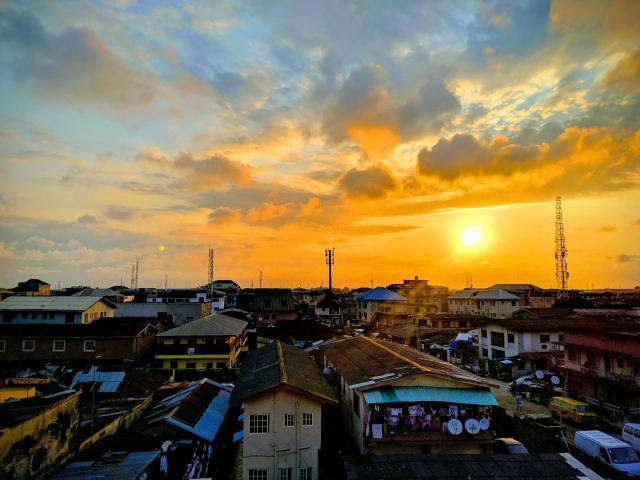
As soon as farmland is lost, there is less local food produced and the community relies more on foreign food. As a result, Pakistan is at greater risk from changes in global food markets and difficulties in its supply chain. As well, when farming communities lose their land, many end up living in slums or working for little money, so they lose their traditional ways and ability to earn a good living. Urbanization is slowly separating rural Pakistan’s social and economic foundations. When more people move to the cities in the hope of finding jobs, the city’s infrastructure struggles, causing extra congestion, pollution and hardship for many.
Changes in land usage are a big problem for the environment. Maintaining harmonious ecosystems is possible thanks to farmlands which store carbon, protect a range of species and support streams and rivers. If green spaces are replaced with roads and buildings, the land’s ability to recharge groundwater falls, surface runoff increases and chances of urban flooding rise. As a result, the buildup of air pollution in crowded cities drives climate change and makes living there more difficult. In addition, the impact of urban sprawl on environmental sustainability is very severe.
Land Use Policies and the Real Estate Boom
The main reason farmland is being lost in Pakistan is the lack of strong land use policies and the rapid expansion of real estate. The real estate sector is a top source of profit in Pakistan, so it gathers investment from local and international investors. Unfortunately, this area of business lacks much oversight and usually makes use of legal loopholes and poor rules. Because there is so little difference between agricultural land and land meant for cities, it is easy for developers to acquire and use land as they wish. If a city does have zoning in place, it’s either not modern enough or not properly enforced and everything points towards more building and growth.
It is common for local authorities to help turn peri-urban farms into real estate, since it helps them. Bribes and helpful political connections often help property developers get away with tinkering with land records. As a result, it is profitable to convert land and the goals of farmers are consistently ignored. The problem is made worse by the lack of reliable rules or guidelines to guard agricultural zones at the central or provincial level. Contrary to countries that take steps to guard their farmland and limit city expansion, there is no single plan to deal with the crisis in Pakistan.
It is the speculative aspect of investing that worries experts about the real estate boom. A great deal of land is bought, then kept for a while before being sold for a more profitable amount. These “land banks” are unused, kept separated from the land and will not be used for farming at any time. Because of land speculation, there is a shortage of properties, prices rise and it leads to greater social inequality. It leads capital to flow from areas where it can do the most good. The drive to invest in real estate to make money quickly has forgotten to address the long-term demands for food security, building a green economy and ensuring growth is equal.
Because the government has stayed inactive or been part of it, this issue has not stopped. Some provinces have tried to control land conversion, but these efforts tend to occur after the problems arise. In addition, many policymakers are unlikely to act because real estate lobbyists often push back against their efforts. Both construction amnesty schemes and tax bonuses for developers help increase the conversion of farmland. Without proper preparation, cities grow without control, leading to housing in prime areas that disregard infrastructure, travel and the environment. As a result, cities are growing in ways that are inefficient, unfair and not sustainable.
How Pakistan plans its cities should be reformed to stop agricultural land from getting smaller. It covers making sure zoning rules are clear, improving land records and supporting high-rise buildings over the expansion of roads and neighborhoods. Support and rewards should help promote environmentally friendly land use and agriculture needs to be manifested as a main priority for national development. Failure to make these adaptations could threaten Ireland’s ability to provide food for itself and harm the welfare of those to come.
The Social Fallout: From Farmers to Laborers
The quick change of farmland into city space greatly affects rural communities. Displacement is common when farmers are unable to keep their farm properties which means they lose their old traditional ways of life. Not only does being hired in cities weaken their economy, but it also makes rural folks feel misplaced in urban cultures. A lot of the times, when farmers sell their farms, they get a big payment at the start that runs out fast. If they lack the land or skill for jobs in cities, they frequently get only temporary and low-paying work, with no help from the government.
This change brings big changes to rural society. Moving to cities or nearby areas by families often causes whole communities to fall apart. Gradually, people lose their close ties with family and community that farming used to give them. Because agricultural work seems unappealing to them, youth are often drawn to cities instead of rural villages, making farming skills less common. When previous generations of farmers are not taught to new ones, the whole community loses both their income and culture. In Pakistan, farming is not only a job, but a way of living, traditions, festivals and strong community bonds all wrapped together—and now all of these are threatened.
The transformation in agriculture comes at a greater cost for women who help the most but are not usually acknowledged. Moving to urban neighborhoods tends to reduce job choices and increase obstacles to movement for women in the family. Many of the ways women contribute to food, animals and budgets are not considered or recognized in policy circles. With these traditional rural systems no longer working well, women find themselves at greater risk of poverty and isolation. While the way urban sprawl affects genders is often ignored, it should certainly be given serious attention.
Growing up in families forced by war to leave their farms poses problems for children too. Though schooling options may open up in urban areas, some individuals find it very difficult to adjust. Educational progress may be slowed in such students by busy city schools, minimal guidance from parents and time spent with different groups in the streets. Such loss also means young people no longer learn important lessons that come from life in the countryside, connected to nature, the seasons and farming. These days, many of the next generation are not close to the land their families once used for farming and know little about it.
Losing farmland is a problem for everyone in the nation, not just those living out in the country. With more people living in cities, there is an increased need for enough housing, proper healthcare, proper sanitation and easy transportation. Too often, these settlements are found in places where natural disasters can happen, leading to more poverty and serious safety risks in the city. As the difference between rural and urban areas deepens, it causes more conflict and upset. You need to consider farmland protection, aid in rural development and prevent vulnerable communities from being overrun when communities grow.

Changes in the environment and harm to ecology
Changing agricultural land into subdivisions and city areas leads to serious effects on nature, but these are often ignored in discussions about development. Farmland doesn’t just provide food; it also nurtures many species, regulates the climate and maintains water cycles. Once agricultural land is developed into streets or buildings, the natural support of animals and plants in these ecosystems disappears and brings environmental problems. A major result is that urban flooding is now a frequent occurrence in Pakistani cities. With bare soil lacking, heavy rain makes the drainage systems work over capacity, resulting in flooding and problems to the infrastructure.
The trend of urban sprawl is connected to an urban heat island effect as well. The sun warms farmland and green spaces which release moisture to help control the air temperature. After being covered with concrete and asphalt, these places hold heat which makes cities hotter and more likely to experience heat waves. As well as impacting human health, this leads to using additional energy to keep data centers cool, straining our resources and contributing to greenhouse gases. Less greenery and trees in the urban area of Pakistan greatly increases the problem of air pollution which harms millions of people.
In addition, farmland helps protect the soil from getting damaged by erosion. When land is left unused or its material is changed to something solid, the toposit packed with nutrients and organic matter disappears. Because of degradation, the land will not be as productive for farming and the amount of sediment in water bodies leads to problems for both aquatic life and water quality. Chemical fertilizers and pesticides damage soil in industrialized farming. When those farms are converted to urban development, the soil has no path to recovery.
When cities grow, a great deal of biodiversity gets lost. Land farmed in traditional or organic ways usually supports birds, insects and wild mammals. Species are being displaced or going extinct as these lands are developed. Bees and other pollinators which support farming, are at higher risk from both the destruction of habitat and exposure to chemicals in pesticides. Such species disappearing leads to problems for other animals in the food chain and reduces farming efficiency.
To face these environmental problems, we should include ecological factors in all aspects of urban planning and development. We should work to protect and grow green belts and use urban agriculture to address problems with food and the environment. Policies should motivate the use of environmentally friendly ways to use land and developers should need to study the possible environmental effects before any new projects are begun. Failure to focus on protecting the environment will lead to the decline and deterioration of Pakistan’s urban areas.
A Case for Urban Agriculture and Sustainable Cities
Because Pakistan is facing a quick loss of farmland and unrestrained urbanization, it should immediately adopt urban farming and sustainable ways to plan its cities. The process of urban agriculture addresses both the problem of hunger and the problem of ecological damage. Introducing rooftop gardens, vertical farms and community plots into new buildings gives sterile urban places a chance to become important ecosystems. Besides helping to increase food, these developments can also clean the air, cool the urban environment and rally the community.
In addition, sustainable planning for cities prefers close and blended construction instead of large developments that spread widely. With this model, outlying farms are protected and people are encouraged to use efficient public transit, footpaths and parks. Rather than spreading forever, urban planners ought to find ways for cities to grow above and above, using the space well and avoiding farming areas. To use this approach, urban planners, developers and decision makers should think about city growth as working with the environment, rather than displacing it.
Making these changes happen is important for educational institutions, civil society and local governments. Making food systems part of urban development will reduce Pakistan’s reliance on farms far from its cities and build cities that are more secure, unified and friendly to the environment. We should regard urban agriculture as a main contributor to a greener and stable future instead of just a unique option. Renewing urban areas, in this manner, could greatly help Pakistan address the lasting problems caused by urban sprawl.
Conclusion: Taking Care of the Land We Count on
The rapid increase of urban areas throughout Pakistan is not only a problem in city planning but also a serious danger to Pakistan’s food, ecology and social and economic status. People’s desire for fast urbanization and real estate gains has removed attention from the major impacts of losing farmland. Some industries that were important to multiple generations are now being put aside for quick profit and this is causing great long-term harm to communities, nature and a country’s ability to survive. This kind of trade-off cannot continue and might result in disaster.
It is important to guide urban growth, not stop it from happening. To manage their land, Pakistan needs to have strong land use controls, shield farm areas from takeover by speculators and encourage people to build up instead of scattering their communities. It is important that rural development is revitalized so that farming stays valued and rewarding, with good infrastructure, fair sales and opportunities for both schools and markets. We should also talk openly about making food sovereignty and caring for the environment a key goal in how we build large cities.
Urban areas and rural lands should cooperate and depend on each other for a better shared future. We should recognize how land plays a role in the economy, in the environment and in our wider cultural heritage when making cities and towns. For Pakistan’s cities to last, it is necessary to maintain the land outside them that supports urban life. Today’s lost farms might lead to less food we can afford moving forward. Before we lose our fertile land forever, it’s important to reconsider growth.
Also Read: An Analytical Study of the Laws Relating to Housing Industry in Pakistan



-3dkuLgKhRD.jpg)
-49HupTvwDD.jpg)



LEAVE A REPLY