

The rapid urbanization experienced around the world has
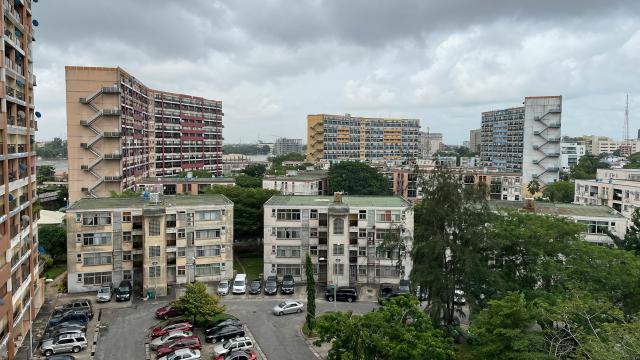
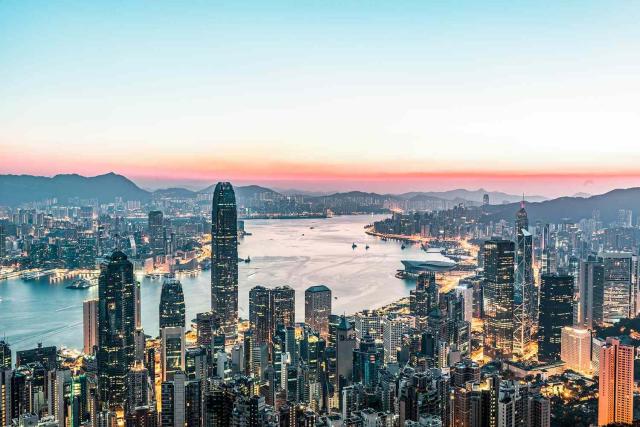
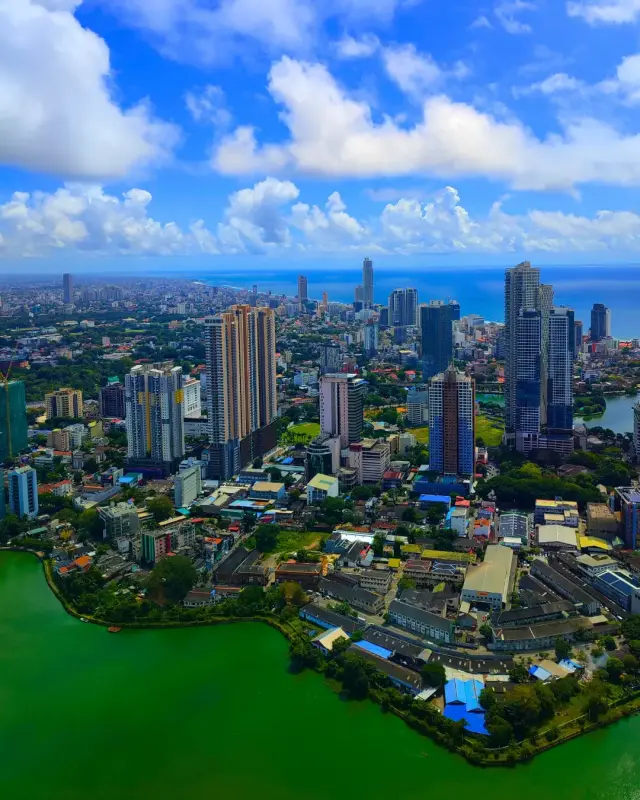
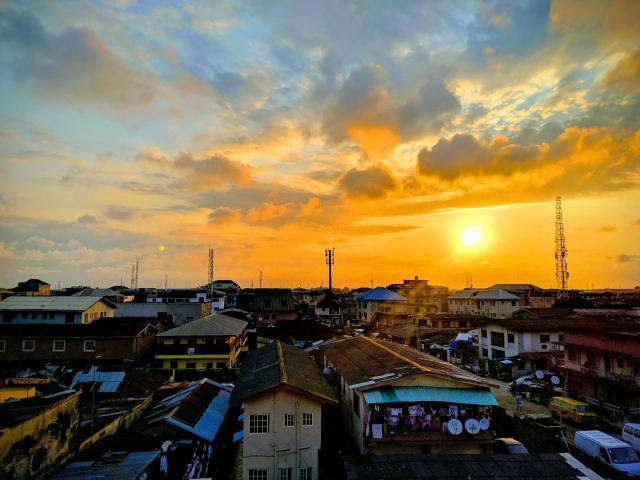
produced urban cities of contrasts. There are glittering skylines and growing
economic centres with huge slums where millions of people fight to satisfy
their most fundamental needs. Poor access to clean water, lack of proper
sanitation facilities, and resultant epidemics of the general population are
among the most important issues that slum dwellers have to struggle with. These
problems are closely inter related, and they create a cycle of deprivation,
which has the impact on physical health, mental health, productivity, and
dignity. Slums are usually characterized by congestion, unofficial housing,
inadequate infrastructure and lack of care by official systems of governance.
Water and sanitation
are not services in such environment but a struggle to survive, which
determines daily survival. Children will be exposed to preventable diseases,
women will be placed in the role of collecting water and insecurity on
sanitation, and whole communities would be at the bottoms of poverty because of
the poor health they get. In this blog, the author examines the ugly truth of
water, sanitation and public health in slums using nine main dimensions. In
both parts, it is emphasized that the systemic failures, social inequality and
environmental pressures all collide to make basic hygiene a privilege instead
of a right of millions of people living in the boundaries of the urban
lifestyle.
The Crisis of Urban
Slums and the Basic infrastructures
Uncontrolled migration, absence of housing, and economic
inequality is what result in the rise of urban slums. With people migrating to
urban areas in search of improved living standards, most of them find
themselves in the informal settlement areas where lack of infrastructure
development does not match the development of populations. The essential
facilities like piped water, sewerage and rubbish collection are either
non-existent or in a very bad state. The roads are poor, the drainage is poor
and the houses are made using temporary materials, which have minimal security
against hazards in the environment. Water supply systems are either inexistent
or unreliable in such settings and the residents are forced to use unsafe
alternatives.
Infrastructure
(sewerage and toilets) is generally not given a second thought at all, a result
of which is the prevalence of open defecation or common, poorly maintained
toilets. It is this absence of planning that presents deeper governance
failures as the slums can be considered illegal or transitory, even though they
accommodate millions of people on a permanent basis. Lack of infrastructure has
a direct impact on the health of the people since the pollution of water and
poor hygiene conditions are breeding areas of diseases. Slums are not given any
formal status which ensures that they do not receive any investment by the
municipal authorities, continuing the neglecting cycles. Finally, poor
infrastructure is not just a technical problem but a social injustice that
denies the slum dwellers their right to a healthy living environment.
Inadequate access to
Clean and safe drinking water
Availability of clean drinking water is one of the most
challenging issues in slum communities. The residents depend on communal taps,
water tankers, shallow wells, or close polluted waters to provide to their
daily needs. These sources also tend to be polluted with bacteria, chemicals,
and human excrement hence not safe to use. The issue is further aggravated by
intermittent water supply which means that families are forced to conserve
water under unhygienic conditions which elevates the chances of contamination.
Water in most of the
slums has to be bought at a high cost through the local water vendors, which is
much more than the municipal rate, and this is too costly to the already poor
families. Women and children are forced to spend hours daily on water gathering
at the expense of education and income-earning. This shortage of safe water is
the direct cause of water-borne diseases like diarrhea, cholera and typhoid
that are the major cause of morbidity and mortality in slums. Clean water as a
fundamental human need turns into an everyday challenge, which is influenced by
the lack of it, inequality, and exploitation. This fact explains why water
insecurity is a social exclusion indicator and a public health emergency.
Poor Sanitation and
Open Defecation
Sanitations in slums are often very poor and there is lack
of toilets and waste disposal facilities. Some of the settlements do not have
toilets at the household level, and the residents use communal ones that are
crowded, unsanitary, and unsafe. With no functioning toilets, open defecation
is prevalent, particularly in children and the aged persons. The practice
pollutes the local ecosystem, such as water bodies, soil, and food web.
Sanitation is also poor resulting to human waste deposits in the open drains
that overflow due to rain and infect the entire community with the pathogens.
There are also other complications that women undergo due to the absence of
privacy and safety in toilets where they are exposed to harassment and health
hazards.
Lack of adequate sanitation facilities indicates negligence
and stigma in which the slum dwellers are not worth investing in. Poor
sanitation does not only contravene human dignity, but also is a significant
cause of the infectious disease. The response needed to the sanitation issue in
a slum is not just having toilets but continuous maintenance and behavioral
change and inclusionary urban planning that places sanitation as a communal
good.
Waterborne Diseases
Public Health Burden.
Unsafe water and lack of sanitation lead to the high burden
on the population in slums. Aquatic diseases like diarrhea, cholera, dysentery
and hepatitis are common and frequent. Such diseases particularly impact the
children, causing malnutrition and incomplete development and increasing death
rates. The removal of immune systems as a result of recurring infection exposes
the residents to other diseases like tuberculosis and respiratory illnesses.
Slum access to health care is also usually poor, and there are few clinics and
out-of-pocket expensive treatment that is not encouraging. Consequently,
preventable diseases often turn into serious or deadly.
Epidemics are witnessed in congested settings where clean
water to use as a hygiene factor is minimal. The health effect on people is not
limited to individuals, and it decreases the productivity of the workforce and
puts pressure on the already over-stretched health systems. This is because
slum dwellers tend to accept sickness as a way of life, concealing the extent
to which the crisis is actually serious. The water borne diseases in slums are
not accidental; this is the direct outcome of the failure in policies and the
failure to invest in the basic amenities that would save myriad lives.
Effect on Children
Health and Development.
In slums, children endure special and intense health threats
because of inadequate water and sanitation. They are introduced to infected
water and poor living conditions at a young age making them prone to
infections. Repeated cases of diarrhea lead to chronic malnutrition, which
influences physical development and cognitive development. Unsafe water also
affects school attendance in that since sick kids are at home and schools are
usually without clean toilets and drinking water. This is especially true to
girls who are highly affected when they are in their adolescence stage because
lack of proper sanitation facilities causes absenteeism and dropout.
Children are also exposed to psychological stressfulness due
to their living in unsanitary environments. These disadvantages created at an
early age are lifelong and were a source of restricted education, economic
access, and life quality. Poor health keeps the cycle of poverty going as poor
children are unable to achieve their potential. The solution to water and
sanitation in the slums is thus a bet on the future generation. Safety of
children is not merely a moral duty but an important policy measure towards the
intergenerational breakage of the deprivation and inequality.
Sanitation and Gender
Inequality Problems
The problem of water and sanitation in slums is overly
impacting women and girls. The women usually gather water, do household chores,
and take care of the ill individuals. This free labor is very time and energy
consuming and curtails a chance of education and job. Their access to safe and
secluded sanitation facilities puts the women at risk of harassment, violence,
and health complications. Menstrual hygiene management is complicated during
menstruation due to ineffective access to toilets and clean water hence
resulting in infections and social stigma.
Pregnant women are at a greater risk because of being
exposed to contaminated water and unhygienic conditions. Such difficulties are
indicative of more general gender inequalities as women are not typically taken
into account when planning infrastructure. Sanitation insecurity degrades the
dignity and safety of women and strengthens the perpetration of
marginalization. By enhancing water and sanitation in the slums, women will be
empowered considerably by relieving them of much of the caring burden, enhancing
their health status, and allowing women to participate more in social and
economic life. In order to generate sustainable solutions that are inclusive,
gender-sensitive methods are necessary.
Environmental
Degradation and Waste Management
Poor water and sanitation in slums lead to and cause
environmental degradation. Poor systems of waste management results in piling
up of trash in open areas and watersheds. The waste consists of plastic waste,
sewage and industrial runoff that contaminate water sources rendering them
unsafe to use. Open drains with garbage are the breeding grounds of mosquitoes
and rodents which spread more of the vector-borne diseases like the dengue and
malaria. During raining seasons these issues are worsened as stained water is
scattered all over houses and roads.
The inhabitants of
the slums are usually close to the landfills, rivers or industrial areas and
this puts them at risk of other environmental dangers. The absence of an
organized waste collection system is a manifestation of institutional
marginalisation to the city planning processes. The slums are an ecological
area that deteriorates the environment and explains how health, ecology, and
social justice are intertwined. Environmental protection and sustainable waste
management are the key elements of enhancing the quality of water and health
outcomes of slum residents.
Failure of Policies
and Gaps in Governance
The policy failures and lapses in governance have
contributed to the persistent water and sanitation crisis in the slums. Most
governments consider slums as unlawful dwellings and thus they cannot access
the services of the government. This is not recognized by the city, which
causes the non-involvement in the urbanization process, and investment in
infrastructure. Disjointed systems of governance and coordination between the
agencies further contribute to poor service delivery. The issue is aggravated by
corruption, bureaucracy, and political goodwill. With the existence of
policies, the implementation is usually not successful because of lack of
proper funding and community participation.
The inhabitants of slums are seldom included in the decision
making processes and therefore, the solutions will not have the needs of the
locals in mind. To solve the slum water and sanitation challenge, an inclusive
governance that incorporates the residents as citizens with rights is needed.
Sustainable change is only possible when there is transparent policies,
community involvement and accountability mechanisms. Technical solutions are
only not sufficient to enhance the well-being of the people in the slum setting
without dealing with the governance problems.
Solutions:
Community-Led Solutions and Hope for Change.
Slum communities are resilient and innovative in the efforts
to deal with water and sanitation despite the overwhelming challenges.
Locally-led projects, including communal water, self-constructed toilets,
hygiene education, and so on have demonstrated encouraging outcomes.
Non-governmental organizations and grassroots movements are known to
collaborate with residents in coming up with low-cost, sustainable solutions.
Participatory styles empower the communities as they get involved in planning,
execution, and servicing of infrastructure. Behavior change and education
programs enhance hygiene and transmission of diseases.
The local initiatives can be scaled with the help of
inclusive policies and sufficient funding and produce a long-lasting effect.
Technology e.g. cheap water purification systems, eco-sanitation models etc
provide further possibilities of improvement. There is hope in the fact that
the slum residents are not perceived as an issue but as partners. Water and
sanitation conditions can be changed with political dedication, community
involvement, and built-in planning, and the outcomes of the population health of
the millions of people residing in slums can be enhanced.
Economic Consequences
of Poor Water and Sanitation
Inadequate water and sanitation in slums has far-ranging
economic implications which are beyond health effects. High morbidity due to
the dirty water and unsanitary conditions lowers productivity because adults
are absent to work and children are absent to attend school. The everyday
workers become particularly susceptible, as one day of sickness can cost them
money and put them at risk of starvation. Medical treatment usually places
families in a state of poverty since they are forced to use a good part of
their meager income to get medical care. In most of the slums, it is the
poorest households that are overcharged to purchase unsafe water by the private
vendors thereby imposing a bad economic burden on the poor.
Sanitation does not
also encourage the local economic activity because poor sanitation prevents
business and investment opportunities. The informal workers especially women
waste a lot of time in collecting water or looking at their sick relatives
rather than doing some activities that earn them income. At a larger scale,
cities incur higher healthcare expenses and lower economic development because
of preventable diseases that are found in slum groups. Enhancing the water and
sanitation is thus not a social or health intervention, but an important
economic investment and can boost livelihoods, alleviate poverty and ensure the
development of sustainable urban life.
Conclusion
One of the most critical but ignored crises of urbanization
in the modern world are water, sanitation and public health issues in slums.
These problems go down to inequality, failure of governance, and lack of
environmental care. To millions of slum dwellers, the absence of clean water
and proper sanitation is not a nuisance, but a day to day survival and honor
issue. The resultant burden on health keeps individuals poor and curtails human
potential over generations. To solve this fact, integration of infrastructure
development, inclusive policies, and community involvement coupled with
gender-sensitive planning is needed. Slums are not temporary but permanent
settlements of a good number of people in the urban population.
To create healthier and more equitable cities, it is
necessary to recognize and respect the rights of the individuals residing in
the slums and invest in their well-being and health. Safe water and proper
sanitation are not to be considered only as a development goal, but as a human
right that protects both dignity and life. With these fundamental needs
satisfied, the communities are healthier, productive, and more resilient.
Societies and governments also have a moral obligation of ensuring clean water
and proper sanitation. With these necessities in place, cities are able to
proceed to the path of inclusive growth and an inclusive urban future that
leaves none behind.















LEAVE A REPLY