

Case Studies: Successful Slum Redevelopment Programs
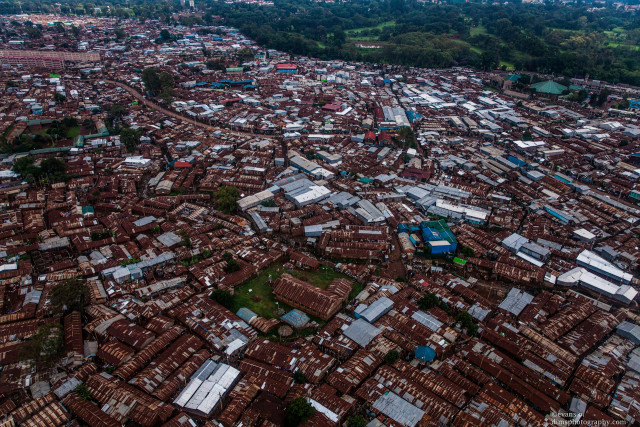
In this brief and thought-provoking book, Davis claims that slums are an international problem, resulting from newly urbanizing societies, poverty, and poor city planning.
Nonetheless, various redevelopment programs, across the world, have proved that the slum regions are capable of developing into active neighborhoods.
This blog post describes four best practices in slum redevelopment; the published strategies and analyses, as well as the goals and difficulties which shaped outcomes for people’s lives.
1. Dharavi Redevelopment Project, Mumbai, India
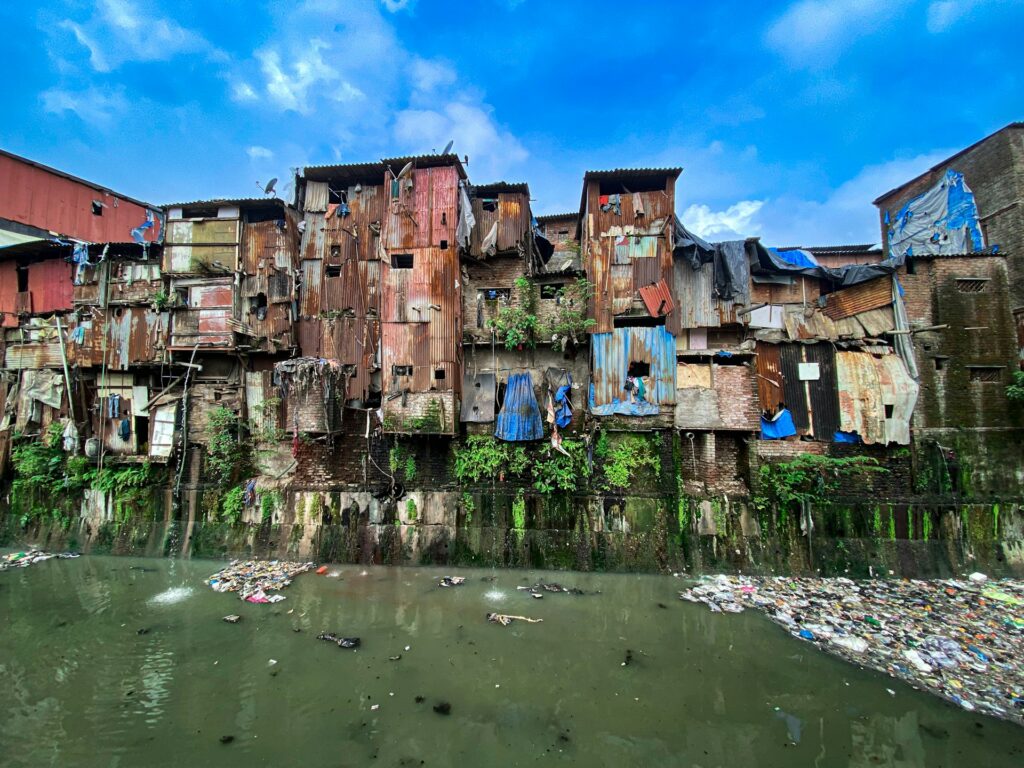
Dharavi, widely known as Asia’s largest slum, features over 7 million people, residing in 90 thousand crowded units within 207 hectares.
However, today Dharavi is one of the most important sources of employment as it trades in pottery, leather products and recycling industries, scrap products which have greatly contributed to the economy of Mumbai’s informal sector.
The Dharavi Redevelopment Project (DRP) project sought to introduce modern urban structures fixation in addition to preserving residents’ economies. Key aspects of the project included:
Public-Private Partnership:
To meet the housing stock requirements the Maharashtra state government initiated public private partnership to build houses and commercial complexes.
Inclusive Housing Policy:
Housing units in high rise were provided free to the residents who had valid means of identification.
Sustainability Initiatives:
They said that we need to engage green areas and efficient sewage systems as well as water reservation from the rain.
However, the DRP itself came under attack for threatening to dislocate people and disturb their sources of earning.
In response to these issues, communities got involved in discussions with developers to address problems of protecting local retail and reasonable relocation standards.
This is because despite the fact that the programme is actually an ongoing project, its phased nature and the emphasis on dialogue as a means of change have provided a structure for cooperative urban change.
2. Medellín’s Urban Transformation, Colombia
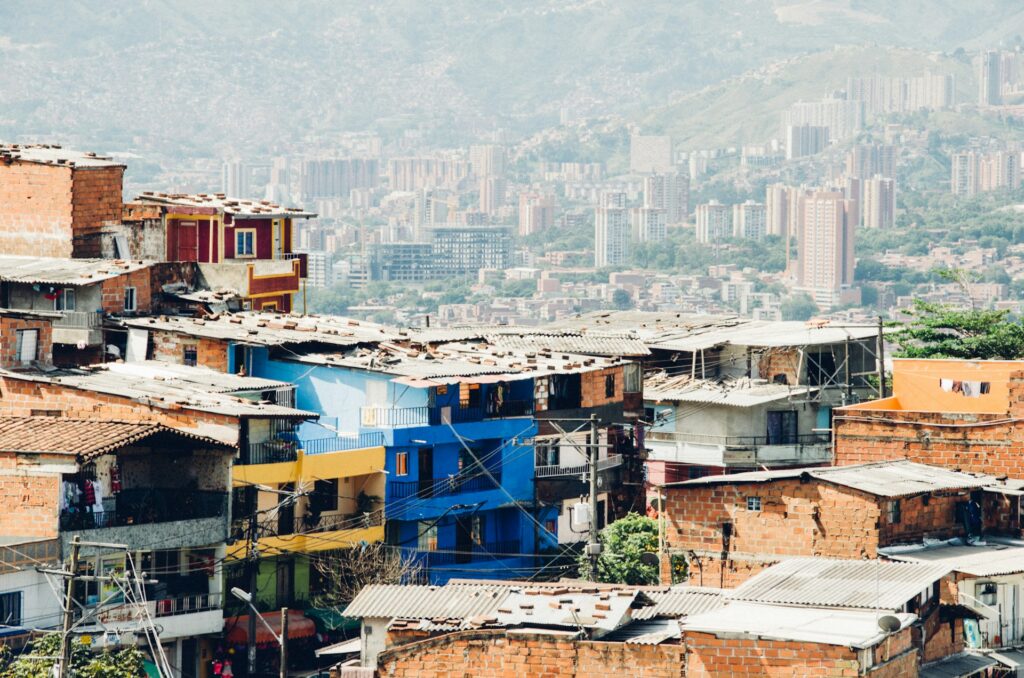
Considered synonymous with drug cartels and violence in the past, Medellín has emerged under the past twenty years as an innovative city that has bet strongly on improvements in social and urban fabric, especially in the slum areas.
Key initiatives included:
1. Metro cable System: Urban transport priceless linkages include cable car transport systems that effectively bound slum communities on steep slopes to the city core and effectively improved mobility and economic affordance.
2. Educational Parks (Parques Biblioteca): These public spaces linked libraries, community centers and parks as the social venues through which the poor can access education and play.
3. Participatory Budgeting: Through this participation, people engaged in the determination of the allocation of funds that are well appropriated for the common cause.
The successful Medellín experience highlighted that spatial planning and transport could help eradicating the mechanism of social segregation.
This transformation was acknowledged by the country and the world, the city received the title of an ‘Innovative City of the Year’ in 2013.
3. Kibera Slum Upgrading Program (KENSUP), Nairobi, Kenya
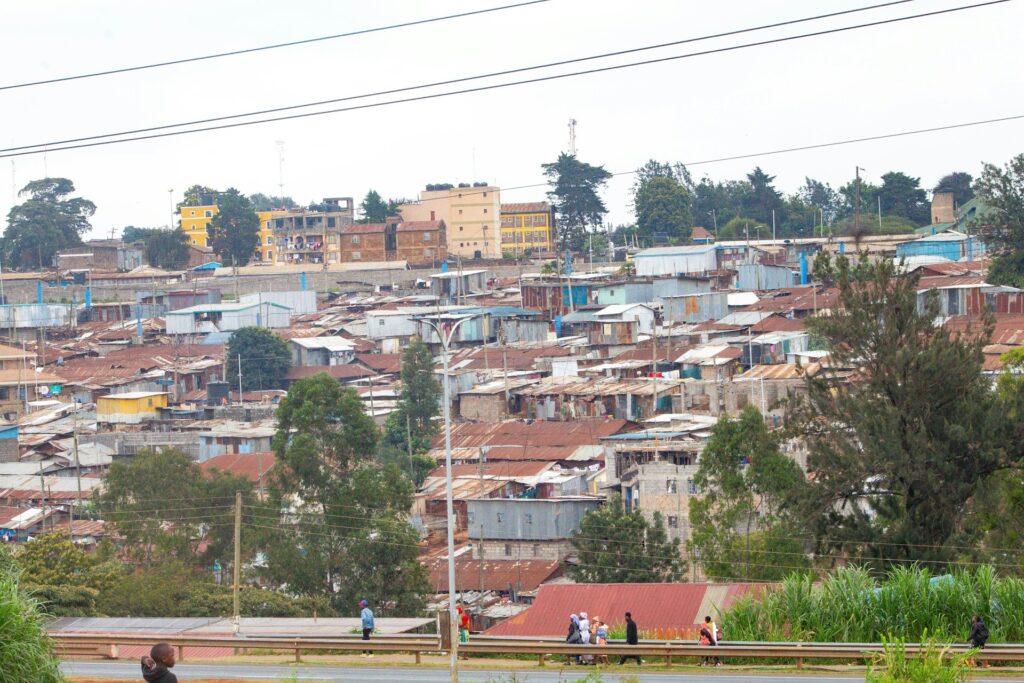
For many years, Kibera, one of the biggest slums in Africa, was characterized by poor and barely sufficient infrastructure.
The Kenya Slum Upgrading Program (KENSUP) beginning in 2004 was to enhance the quality of tenants’ residences, hygiene, and communal amenities, with citizens’ involvement.
Key components of the program included:
1. Affordable Housing: As a result of this, KENSUP built multi-story housing units as substitute to inadequate and weaker shacks with agreed cheaper rates among affected families.
2. Basic Services: Refurbishments entailed pipe borne water provision, provision of modern toilets, and electricity on street light for security and order.
3. Economic Empowerment: City mart shops and vocational training institutes were developed to enhance the community livelihoods.
This was particularly vital, and was adopted in authenticating the success of KENSUP; because the mode of planning and decision-making embraced the community aspect significantly.
Lack of quick implementation and funds are often an issue, but the program offered a clear case to emulate when it comes to improving slums in sub-Sahara region.
4. Rocinha Urban Integration Project, Rio de Janeiro, Brazil
Rocinha is the largest favela in Brazil with previous urban interventions for its redevelopment.
This paper focuses on the Urban Integration Project initiated by the Brazilian government with an aim of fixing the deficits in key infrastructure and the living conditions of the population.
Key features of the program included:
1. Infrastructure Improvements: These included construction of roads, drainage systems and other foot paths to provide access and control flood management.
2. Access to Basic Services: Measures involved facets such as chief/partition; running water; sewers; and electric connections.
3. Social Services: Primary education facilities, health care centers, and sports clubs as those in the center of the organization were developed to enhance community welfare.
It also involved a component on community policing to decrease on crime and enhance security.
Some residents were wary of the government’s motives but through continued conversations on an Amharic radio show people’s concerns were allayed.
It was also demonstrated that in order to generate sustainable change, a project needs to be complemented by other social initiatives that contribute to its realization.
Lessons Learned from Successful Redevelopment Programs
These case studies reveal several common factors that contribute to the success of slum redevelopment programs:
1. Community Involvement: Involving people encourages compliance, helps develop projects that reflect people’s requirements, and keeps them from rebellion.
2. Public-Private Partnerships: There is ability to pool together funds and ideas since there is tripartite arrangement involving governments, private firms and NGOs.
3. Integrated Approaches: Housing, infrastructure, and social services must be remodeled collectively in order to see growth in all of them.
4. Sustainability: The green spaces, effective waste management, measures of climate resilience throughout the infrastructure make it sustainable.
5. Economic Opportunities: Maintaining and enhancing residents’ capability is the backbone of supporting local businesses and vocation training.
Conclusion
It is thus evident from the experience of slum redevelopment projects such as Dharavi, Medellín, Kibera, and Rocinha that change is possible if these cities take an integrated approach to boosting urbanism.
hese case studies give insight into cities around the globe struggling with informal settlements and urban inequity.
The good news is that these examples show that with people’s involvement and the use of creative approaches, slums can become sustainable and successful urban communities.
Also read: Urban Sustainability and The Creation of Slums: Case Study of The Dharavi Slums in Mumbai, India













LEAVE A REPLY