

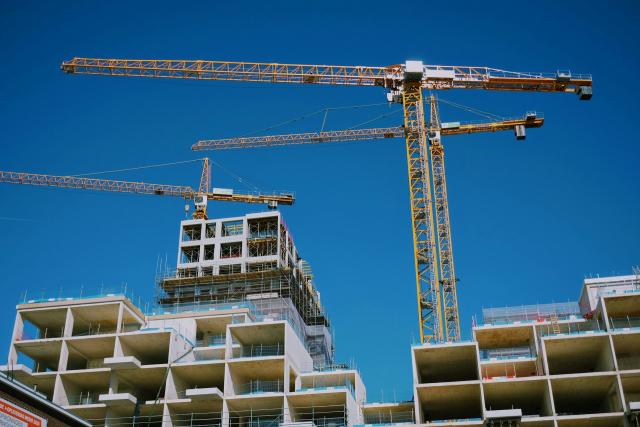
Successful incremental housing projects around the world
The dynamic development method of urban construction known as Incremental housing enables house expansion through incremental construction with backing from governments and NGOs as well as financial institutions. The housing affordability strategy allows families with limited income to construct their home incrementally through resource additions. Traditional public housing schemes present entire completed units but incremental housing provides this solution to reflect the economic constraints of low-income families. In this blog we will debate globally acclaimed incremental housing initiatives through their effective solutions alongside neighborhood enrichment outcomes around the world.
Quinta Monroy Housing Project – Chile
Chile houses the celebrated Quinta Monroy Housing Project located in Iquique which stands as one of the most recognized incremental housing developments. The architectural practice Elemental under Alejandro Aravena created this design which has established itself as a model for low-cost expandable home building. Elemental received an assignment from the Chilean government to create housing for 100 families in informal settlements based on a tight budget that usually built 30 units.
Each unit at Quinta Monroy received half-built construction from Elemental which consisted of walls, roofs, staircases, kitchens and bathrooms among crucial structural elements. Families could make progressive home expansion through their unfinished dwelling parts until their financial condition improved. Through this method residents gained instant access to suitable housing yet they maintained the capability to develop their homes through time.
The Quinta Monroy project demonstrates success because it functions both efficiently and in a flexible manner. Over the span of a couple of years households grew their basic residences to establish whole houses from their initial compact units. Other Latin American nations expanded this housing model which demonstrates that the planned building expansion techniques work better than standard social housing projects.
Sites and Services Schemes – India
For decades India has successfully implemented its Sites and Services schemes to address incremental housing needs. Through these projects families receive lands with basic infrastructure like roads and water services alongside sanitation which enables their gradual home construction. These cities along with Ahmedabad followed this approach which solved the housing requirements of the many low-income residents living in urban areas.
Architect Balkrishna Doshi created the flagship project called Aranya Low-Cost Housing in Indore. The project began operations during the 1980s to accommodate 60,000 individuals. Residents gained control of their home construction process through a combination of existing core building sections and plot services which allowed them to build according to their available funds.
Through Sites and Services programming dwellers avoid unplanned and congested residential areas because they construct houses within areas that include essential utilities. The model builds ownership and neighborhood development through family investment in home and community upgrades which happens throughout time. Residential participants can develop personalized homes through this system which meets their changing requirements and maintains long-term cost-efficiency along with sustainability.
PREVI – Peru
Peruvian architects initiated the Experimental Housing Project (PREVI) as a leading model of incremental housing development in Lima. The project began in late 1960s after Peru faced a rapid population growth and housing emergency throughout the nation. A joint effort between the Peruvian government representatives along with international architects created a model which integrated urban planning methods with standard practices of informal building within poor communities.
The neighborhood project PREVI incorporated basic residential units in its planned development which were intended for expansion later on. Neighborhood families were enabled to build modest structures first then expand them through home modifications as their financial means accumulated. PREVI offered an alternative to static social housing because it served as the basis for natural expansion that transformed into a thriving mixed urban zone.
PREVI established through many years that progression home-building strategies persist as a sustainable housing solution. The primary residential units from the past now serve as multi-level living spaces that enable established families along with small companies to operate and grow. The system has established itself as a global benchmark for urban housing strategies because it shows that incremental housing design can succeed in any economic situation while people keep control of their neighborhood area.
Baan Mankong Program – Thailand
The Baan Mankong Program in Thailand stands out as a strong example showing the effective connection of incremental housing to national housing policy. Since 2003 through the Community Organizations Development Institute (CODI) under the Thai government the program assists low-income communities to purchase land collectively and build their homes using incremental construction while upgrading informal settlements.
Baan Mankong functions differently from other government-sponsored housing programs by enabling locals to lead housing project development from planning through to design and eventual management. Residents can achieve housing improvement through subsidization with loans and grants that allow them to build infrastructure gradually without compromising access to necessary services.
The core reason Baan Mankong achieves its success is its commitment to social cohesion among stakeholders. The program achieves its success by encouraging group land ownership and community-centered decision-making practices that create a unified community spirit. Through the years Baan Mankong has transformed the living situations of hundreds of thousands of households in Thailand thereby proving that incremental house building remains an optimal solution for extensive urban growth.
Incremental Housing in Uruguay – The Mutual Aid Housing Cooperatives
Uruguay’s approach to incremental housing stands out for its cooperative model, which fosters collective ownership and community-driven development. The Mutual Aid Housing Cooperatives (Cooperativas de Vivienda por Ayuda Mutua, or CVAM) formed the basis of national housing policy when they started in the late 1960s. Low-income families utilize these cooperatives through a program that allows them to construct their homes by making structured payments in flexible installments.
Constructing and enhancing homes follows a mutual aid approach in which members dedicate their work and financial support as well as their participation in decision making. Cooperative members repay collective funds from initial loan participation that both the government and financial institutions provide. The implementation method results in lowered construction expenses while keeping the housing affordable. Each group member holds collective ownership of their dwelling units because they do not possess individual ownership rights to their homes under this cooperative system.
The FUCVAM residential cooperative known as Federación Uruguaya de Cooperativas de Vivienda por Ayuda Mutua has helped thousands of families build proper homes. The design of this model enables families to use basic residential units at first then advance to superior options when their monetary position strengthens. Through their emphasis on self-determination and group solidarity and collective property ownership Uruguay's housing cooperatives establish stable urban dwellings which welcome the community.
The housing cooperatives in Latin America have taken inspiration from this model to create complementary community housing programs that make collective action an effective method to solve housing shortages. Uruguay's housing program proves how implementing cooperative principles alongside incremental construction approaches leads to social solidarity that creates permanent low-income residential security.

Incremental Housing and Disaster Recovery – Post-Earthquake Reconstruction in Pakistan
After disasters displace thousands of people through destruction home structures require urgent yet affordable construction methods that also build lasting resilience for survival. The post-earthquake reconstruction program in Pakistan serves as an essential practical example of phased development methods for disaster recovery initiatives.
The 2005 northern Pakistan and Kashmir earthquake generated massive devastation that affected millions while the government and international agencies and non-governmental organizations faced an immense task to reconstruct the communities. Families received core housing elements first as the rebuilding strategy avoided building complete houses right away. The method offered necessary shelter to affected populations without restrictions so they could use their available resources to rebuild their communities how they needed.
The Rural Housing Reconstruction Program (RHRP) became known for its delivery of monetary assistance combined with technical assistance during house rebuilding operations for families. New housing construction received special attention through the program to learn diverse techniques that would protect buildings against seismic events. The construction process involved family participation because this dual approach combined cost reduction with community development through gained construction abilities.
The implementation of housing development in natural disaster aftermath situations provides multiple beneficial attributes. The approach provides displaced families an opportunity to rebuild their lives independently while major housing projects continue development that typically lasts lengthy periods. Local residents obtain flexibility to adjust their construction for climate change as well as cultural and economic conditions through household modifications. The case of Pakistan demonstrates that incremental housing stands as a vital disaster resilience instrument which creates both practical and enduring post-disaster recovery initiatives.
The strategy has been used successfully to rebuild communities following crises in additional disaster-affected areas such as Haiti and Nepal. The combination of building practices that resist disasters together with development stages enables incremental housing to deliver lasting solutions when communities need protection from natural calamities.
Lessons from Informal Settlements – The Case of Kibera, Kenya
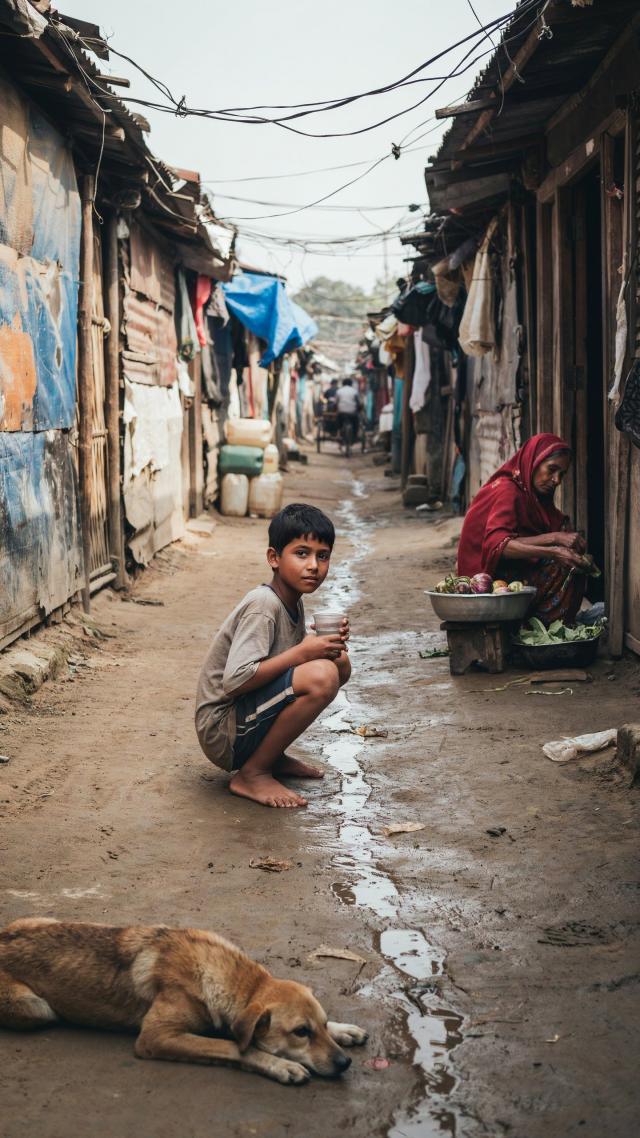
The principles of incremental housing can be observed in two main contexts since people in informal settlements construct their residences and enhance them as they progress. The development of Kibera which serves as Nairobi's biggest informal settlement demonstrates both the growth process of housing through time in unstructured urban growth patterns as well as relevant insights which can be extracted from the area.
The population of Kibera exceeds 250,000 people who build their homes with accessible materials including wood planks and corrugated sheets. People living in the underdeveloped settlement have independently created methods to obtain water and services and generate power through various home-based systems. Above all homes in Kibera have transformed from their original wooden shacks to permanent brick and concrete constructions that symbolize incremental housing in progress.
The Kenyan government together with international bodies have established numerous programs to promote housing improvement initiatives across Kibera through recognition of its emerging natural infrastructure. KENSUP stands out as an essential project that delivers better infrastructure and secure land ownership along with home investment funding to Kibera residents. These initiatives demonstrate why informal settlements need to be incorporated into national urban development plans despite the ongoing implementation problems.
The Kibera study presents fundamental learning points which urban planners with policymakers should consider:
- The security of land tenure stands as a vital factor because people who possess legal rights to their property will make investments for enduring housing capabilities.
- Water supply coupled with sanitation facilities and road system accessibility with power grids leads citizens to move past shabby tents and settle into permanent dwellings.
- It is better to use resident-led solutions compared to forced demolition programs since governments should collaborate with communities to develop suitable improvements based on demographic requirements and economic situations.
Cities learn important insights from Kibera and other informal settlements to develop housing policies which actively endorse the incremental approach as an urban housing solution. Governments should treat informal housing as an opportunity for communities to guide their cities' expansion rather than attempting to demolish such settlements.
The Role of Microfinance in Supporting Incremental Housing
The primary hurdle in implementing incremental housing models exists because people lack financial means to obtain necessary capital. Mortgage institutions currently bar low-income families from accessing housing through traditional lending programs. The provision of customized small and flexible loans by microfinance institutions (MFIs) has become essential for incremental homebuilders to overcome their financial gaps. Many nations worldwide have adopted microfinance in their housing plans which allows numerous families to achieve progressive home construction.
Microfinance and Incremental Housing: A Perfect Match
Capital provided through microfinance differs from standard home loans since it enables borrowers to manage small short-term loans that break down into manageable payments. The incremental housing approach fits perfectly with the process during which families increase their home size depending on their growing financial resources.
Habitat for Humanity’s Micro Build Fund together with Grameen Bank in Bangladesh and Mexico’s Patrimonio Hoy program show the potential of microfinance to drive housing development. The Mexico-based company Cemex features Patrimonio Hoy as a program that provides small construction material loans to low-income families while supplying both technical support and savings resources. More than 500,000 beneficiaries received assistance from this initiative to gradually improve their residential living conditions.
The Micro Housing Finance Corporation in India grants house loans to Asian families who earn their income outside regular banks would normally reject for loans. Non-traditional assessment methods conducted by MHFC allow people to access affordable housing because the organization evaluates income sources regardless of whether they stem from informal street vending or labor activities.
Challenges and Innovations in Housing Microfinance
Microfinance has brought major positive changes to incremental housing activities yet multiple limitations still exist.
- High-interest loan rates exist in microfinance institutions because they need to protect themselves from risky low-income borrower transactions which leads to higher costs for borrowers.
- The inability to manage money properly among borrowers jeopardizes successful loan repayments.
- The availability of microfinance services is limited to the extent that many rural regions struggle to obtain these financial programs.
Variations of innovative financial models have started to appear to resolve the existing problems.
- Electronic lending platforms make it simpler for families to receive home loans through reduced financing costs.
- Public-private partnerships decrease interest rates through the combination of government subsidies with microfinance programs.
- Community-based savings groups allow families to accumulate resources which turn into collective loans for home renovation.
Conclusion
The global housing crisis finds its practical solution through incremental housing which delivers adaptable and inclusive homes for people. Low-income populations gain sustainable and affordable housing through flexible step-by-step home construction demonstrated by Quinta Monroy in Chile and Baan Mankong in Thailand and Mutual Aid Housing Cooperatives in Uruguay and Kibera in Kenya.
The achievements of various incremental housing projects teach us that land tenure security acts together with community involvement and funding accessibility to develop successful outcomes that need government backing. The practice of building homes incrementally let families construct housing over time according to their financial capabilities and thus enables better living standards. This method helps Pakistani earthquake survivors and Mexican and Indian families achieve sustainable housing.
Urban development will heavily depend on incremental housing because expanding cities demand this method. Modern building technology together with digital financing and public-private cooperation schemes will boost the potential for expansion of this housing method. The recognition of incremental housing by governments and urban planners needs to evolve from being seen as a short-term solution into an essential and proper building strategy. Cities need to implement supportive housing policies for expandable and self-built homes to establish secure housing access for all their residents.
Success in incremental housing development requires it to deliver both housing security and sustainability for lasting resident growth. The housing strategy allows people to construct minimum structures at first which they can develop over time as their financial position improves to create affordable options that remain flexible while sustaining well. Incremental housing constructs beyond basic shelters because it allows communities to develop homes which match their requirements through growth while maintaining home ownership. Support from secure land ownership combined with financial help and infrastructure development makes incremental housing a potent solution for broad-based city development that enables families to achieve both housing improvements and community development.
Also Read: Evaluation of the HDA’s Khuda-ki-Basti (KKB) Incremental Housing Scheme





-fEgofDq46v.jpg)
-chDiRoBKHP.jpg)










LEAVE A REPLY