

Street Vendors vs. Mega Malls: The Urbanization War in Karachi
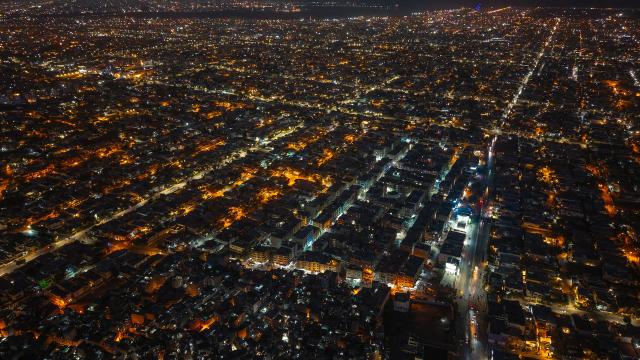
With the teeming population and endless business rush in Karachi, where over 20 million people live, a battle for space is now underway. Modern consumerism, a cool interior and well-known brands are what you’ll find on display at Paladium, Dolmen and Lucky One malls. In addition, thousands of street vendors spread out, selling their goods from stalls made from plywood, plastic and boxes previously used as crates. At the beginning, these societies look very different: one is full of middle‐class leisure activities and the other is where the working poor manage their daily needs. Still, they both use the same roads in Karachi as they fight for shoppers, noticeable presence and eventual loyalty among the city’s mix of buyers.
In recent decades, mega malls have increased in both quantity and size, giving shoppers, diners and moviegoers a one-place option that’s climate controlled. These complexes represent status and safety for aspiring families: many designated parking spaces, security forces and the promise that hawkers or wet weather won’t bother them in the street. Moreover, there are vendors on the streets providing people with fresh fruit, hot samosas, imported electronics and stylish dupattas at prices they can talk over. Many people visit street stalls since chai is easy to get quickly and dates are affordable and none of them has to rent an official shop.
The close location of these different kinds of retail highlights the main conflict in Karachi’s city planning: the tension between formal and informal, planned and organic and regulated and unregulated development. Mega malls are built in locations set aside by the city, with guaranteed electricity, water and backed with funding and several process steps. Conversely, street markets are created on the spot, tailored to where pedestrians are, what low-income areas require and the rise and fall of construction areas. The main thing that gives them an advantage is their ability to relocate quickly: once a block is cleaned up by authorities, the vendor group is quick to set up in another spot, something official development doesn’t always do.
It is not only about the economy; it also highlights different ideas for the city’s future. Those who back building mega malls hope to link post-industrial cities globally and these large shopping centers will mark how much the cities have grown. People who support street vending believe in Urbanism for All, believing that low-cost work and easy-to-find goods make the city more diverse.
This issue becomes clear when Karachi’s planners, politicians and members of civil society consider the city’s future: which groups are entitled to make decisions about its development? Should we allow all types of trade to continue or should we encourage the move to what society considers the current type of business? If Karachi is to use its business spirit and still support vision and equality, its residents must learn from the conflict and aim for coexistence.
Roots of Informality and the Rise of the Mall
Before the country was founded, vendors were selling in Karachi’s streets. Old Saddar saw carts sell spices, textiles and various household items down its busy streets; crowds from each section of the city turned out for market days. This culture developed as a practical solution to the big increase in migration from rural areas to cities in Pakistan in the mid-20th century. Since jobs were scarce, people from Afghanistan often tried self-employment, putting up fruit and food stalls in available areas such as in front of mosques, near bus stops and beside construction projects. For many generations such micro-enterprises in Karachi supplied low-cost goods and helped millions earn a living.
When globalization led to easier trade and allowed more foreign investors, the city’s skyline began to develop. Multinational retailers and developers sensed an opportunity in a city looking for exciting branded activities. The era of modern shopping centers began when Modus Vivendi on Zamzama and Ocean Mall in Clifton appeared. At these complexes, Karachi residents found unusual amenities for the city: movie theaters, food courts and luxury stores. As a result of their success, construction grew rapidly and regulations in whole neighborhoods were changed for a mix of commercial towers and connected developments.
Government policies were very supportive. To promote economic growth, authorities gave tax breaks, simplified the process for using land and helped fund the infrastructure needed for big projects. In part due to money from the World Bank and Asian Development Bank, urban renewal focused on big investments in some areas, mostly overseeing minor improvements in many others. As a result of co-operation efforts aimed at building global shopping stops, street vendors found themselves without formal assistance.
Officers in some towns often showed soft tolerance, whereas in others they went after the situation in a harsh way. Sometimes hippie vendors were allowed to sell where they chose, but at other times, authoritarian crackdowns removed thousands from their jobs in a single night. Such unpredictable policing seemed to reveal an uncertainty: whether street markets are to be tackled or better used. The fact that the market was uncertain allowed mega malls to become more established even while informal businesses operated in brightly lit streets.
Economic Dynamics and Consumer Choices
The main customers for street vendors are not the same as those for mega malls. Most of the big malls are meant for the upper‐middle and rich, as they host costly name-brand items, electronics and fine restaurants. Most of them earn little profit on each unit, but make up for it with countless units and higher rents. Building on a big name like an international fashion chain or operators of movie theaters means developers can count on more people visiting their mall. The malls are popular among visitors from Sindh and Balochistan who look for air-conditioned shopping.
In contrast, street vendors succeed thanks to lots of small transactions. A vegetable seller may only make Rs. 1,000, but buying in bulk from Saddar markets could let a mobile‐accessory hawker double their daily earnings. They don’t have to pay fixed rent, so whenever stock is low they can cut prices and when business is booming they can apply a sales markup. Most of those living in Karachi belong to the population that can’t afford mall outlets. People often look for places to buy just one item such as a hand-rolled cigarette or a samosa, after their daily wages are used up.
People choose between these types of stores for reasons apart from just price. For daily purchases, people pick convenience; since street vendor fruit stands are close, commuters avoid mall traffic. If it’s about leisure or socializing, malls offer the best choice to families, who prize the peace of indoor play zones for the little ones and specialty foods for adults. Visiting mega malls means customers are treated to clean restrooms, re-assuring security and comfortable climate, but most street markets are less organized and may contain dangerous items, lack good hygiene and sometimes have unwanted attentions.
Because of Karachi’s divided economy, you can see high‐end shoppers shopping at global stores while the rest rely on informal shops. Both sectors have increased in size together which points to strong overall need. Still, disputes occur if city policy chooses between markets and malls, for example, through the enactment of zoning rules that block trading in streets.

Urban Planning, Regulation, and the Right to the City
The institutions responsible for planning Karachi have struggled to meet all the different and often opposing needs of the city. Even though the city’s master plans put emphasis on wide highways and zoning districts for businesses, they usually did not deal well with daily life at street level. A lot of the formal planning was based on the idea that street vendors were usurping public areas. Emptying sidewalks and street corners was achieved each time by anti-encroachment drives, but vendors came back when law enforcers became less strict. The mutual mistrust between authorities and informal traders discourages any effort to regulate the trade together.
In comparison, mega malls sign long-term leases and obtain building permits thanks to the clear rules. They fill the paperwork by performing simple environmental and traffic analyses. For the urban poor, however, the main ways they interact with authorities involve minor fines, required bribes or being threatened with the demolition of their homes. Because of this difference, it becomes harder for street businesses to be included in the city’s planning strategy.
Those who support inclusive city life say that areas called “ribbon markets” on main roads should be set up with renowned stalls, shared toilets and electricity, all arranged by vendor cooperatives. Delhi’s hawker markets and Bangalore’s markets made up of many clusters prove that bringing formal structure to street markets allows for urban improvements without reducing available jobs. In the city of Karachi, doing these experiments is difficult because of the slow response by institutions and strong demand for prime real estate.
Acknowledging the “right to the city” implies that every citizen, rich or poor, should play a role in making and enjoying city life. According to this principle, all street vendors, mall developers and city engineers should come together to plan public areas. If vending rules are created privately, it always leads to giving an extra boost to political groups with the biggest supporters, usually corporate lobbyists. A new system could put vending zones in public areas, simplify licensure and support base improvements that make it easier to stay in business rather than end it.
The Impact on Culture and the Communities
Street vending is crucial to making Karachi a multicultural city, besides being about economics and regulation. You can always find interacting groups near the sales vehicles; examples are politicians gathering at chai stalls and commuters chattering with fruit sellers. Because of these micro-spaces, people within neighborhoods see each other more and form a strong sense of belonging. Mega malls, on the other hand, try to repeat the same stores, food options and designs at many places in the world, focusing more on buying than on community. The organically formed communities in different Karachi neighborhoods are hard to find in these leisure zones.
Karachi’s sense of place is defined by glimpses such as flipping gol gappas fry at night, rows of bright sarafa shops and those huddled together at sale businesses. You will notice streets sell colorful bangles during Eid and pomegranate arils during Shab-e-Meraaj. They support unique cultural patterns that most mega malls cannot follow because they are held to the same global marketing schedule. Many people in Karachi see the street market as a place filled with the city’s history and customs, in addition to being a place for buying things.
On the other hand, mega malls bring new traditions that include pop-up art, popular international fashion and food festivals from all around that world. They introduce Karachi’s youth to international trends and urge them to believe in ambitions that are not limited to their area. You’ll often find seniors trying sushi while their grandchildren enjoy bubble tea in food courts. It allows people to learn new perspectives and inspires new ideas. It is hard to connect the real traditions of the streets with the many benefits of global connections.
If street vendors and mall operators come together—through festivals, sponsorships or cultural fairs—they have the chance to celebrate Karachi’s rich cultural background. Recognizing the rich traditions found in these industries helps the city grow and respect shared by its people.
Building a City for All
Each side in the urbanization war—street vendors and mega malls—doesn’t have to win at the other’s expense. In fact, Karachi gains by incorporating the best from both formats into its retail environment. First, policymakers need to find active vending areas and talk to vendors to find places for organized markets. With these designated trading areas, traders can feel secure and shoppers will have a better and cleaner shopping experience, protecting the city’s entrepreneurial culture.
Malls and the host communities can partner on a few important projects for tourists: shuttles to neighboring markets, orienting tourist signs and creating areas that connect culture, shopping and attractions. Taxis and special marketing support are examples of incentives that can persuade malls to work with local vendors in festivals or pop-up shops which can help both groups gain new customers.
To reduce misunderstandings and bribery, governments can review and simplify licensing for vendors, while adopting online permits. By providing time-limited permits for just a few dollars in approved vending zones, officials can officially include thousands of traders at not too much cost. The money raised from licenses to Uber can go toward upkeep of public places, making urban renewal continuous.
Both civil groups and academic groups are crucial for noting good practices and bringing stakeholders together. Urban labs, think tanks and community organizations can carry out small projects such as changing food stall layouts, closing streets only to cars and using apps to advertise both street side sales and mall specials, as ways to design better solutions.
The city’s potential greatness in the world lies in how it manages the balance between being modern and dealing with the fact that much is informal in some parts. Forming a partnership between street vendors, mall developers, municipal leaders and the public makes it possible for the city to move beyond narrow disputes and support a changing, inclusive and durable urban shopping experience. You’ll find the sizzling food from grills here, along with fancy branded boutiques; the buzz of motorized rickshaws shares space with air-conditioned buildings; and Karachi keeps moving with its unique blend of cultures.
Conclusion: Crafting a Shared Urban Future for Karachi
What is happening in Karachi, with street vendors competing with big malls, symbolizes the key challenges of rapid urban growth: sharing land, different economic models and differences in opinions about what a city should be. Since it is simple to start a street stall and they are adaptable, vendors of all backgrounds sell basic goods and create many tiny jobs, making city and neighborhood streets livelier. The big malls are different, as they are filled with chosen experiences, global-name stores and always-faint temperatures for the expanding urban middle and upper classes. While both spheres of commerce have existed side-by-side, it has revealed a dual-track economy that represents Karachi’s diverse society.
Even so, this mix can still cause trouble. Traders working without permits are marginalized when rules change and these changes allow big shopping centers to acquire prime property in cities. As a result, big, business-led projects often take priority over the equal involvement of everyone in the city’s economy. Rising inequality in Karachi weakens people’s lives at the same time as it deteriorates the city’s special culture.
For equality to increase in Karachi, the city should consider street markets and shopping malls to be working together, rather than in opposition. Officials may choose spots with nearby service and good access for vending, speed up granting digital permits and reinvest the permit collection back into city improvements. Having vendor associations by their side, mall developers can create pop-up bazaars, arrange shuttle services and bridge both kinds of retail through festivals. Combining efforts in civil society and city government, as well as in academia, can lead to the creation of pilot sites which highlight what the city has to offer.
Adding the “right to the city” into its city planning and encouraging talks among all parties can help Karachi turn its urban retail war into a lively mix of street food and high-end boutiques. Thanks to this plan, the city can both sustain its cultural traditions and help each entrepreneur, from hawkers to high-street businesses, build Karachi’s future.
Also Read: Financial Cooperatives based on Waqf for Affordable Housing in Karachi













LEAVE A REPLY