

Smart Water Harvesting: IoT Systems for Drought-Prone Affordable Housing
The implementation of digital twins provides residents in affordable housing with improved life quality together with cost efficiency benefits and better building maintenance capability.
Smart home features implemented with IoT technology allow tenants to benefit from:
- The system employs artificial intelligence to manage personalized indoor temperatures.
- Modern lighting control devices operate automatism to optimize energy usage together with user convenience.
- The system enables residents to report issues immediately which leads to faster maintenance services.
- Enhanced security through smart locks and surveillance integration.
The care for affordable housing goes beyond cost-effectiveness to establish residences that are both efficient and comfy with contemporary facilities for residents to enjoy.
How Smart Water Harvesting Works
Smart water harvesting implements IoT sensors and AI algorithms together with automated storage methods to achieve efficient water collection and storage management.
These systems can:
- The system acquires rainwater inputs while simultaneously optimizing the water distribution according to current usage needs.
- Measure groundwater amount to avoid pumping too much water.
- Predictive maintenance enables the identification of leaks and helps stop unnecessary water loss.
- A system should direct irrigation procedures while utilizing both soil moisture and weather monitoring information.
The utilization of real-time data through IoT-powered water systems enables maximum water efficiency so communities need less water from external sources.
Key IoT Technologies in Smart Water Harvesting
1. IoT-Enabled Rainwater Harvesting
Affordable housing communities receive significant advantages when rainwater harvesting systems implement IoT sensors in their systems.
These sensors:
- Monitor rainfall levels and water storage in real-time.
- The system should automatically filter and distribute accumulated water.
- Using IoT the upcoming rainfall patterns can be predicted to maximize storage management.
The automatic irrigation control powered by IoT-based sensors in smart rainwater tanks releases water during requirements to prevent waste and optimize storage capacity.
2. Smart Leak Detection and Water Flow Monitoring
Significant water waste occurs within residential areas as a result of leaks together with unsystematic water distribution practice.
IoT solutions help:
- The system identifies leaking pipes in order to prevent damage.
- The system monitors live water consumption to detect unnecessary usage patterns.
- Eco-friendly alerts systems for property maintenance and repairs automatically transmit information to managers through an automated method.
IoT leak detection monitoring across California drought areas delivered a 30% decrease in water waste within those areas.
3. AI-Driven Smart Irrigation Systems
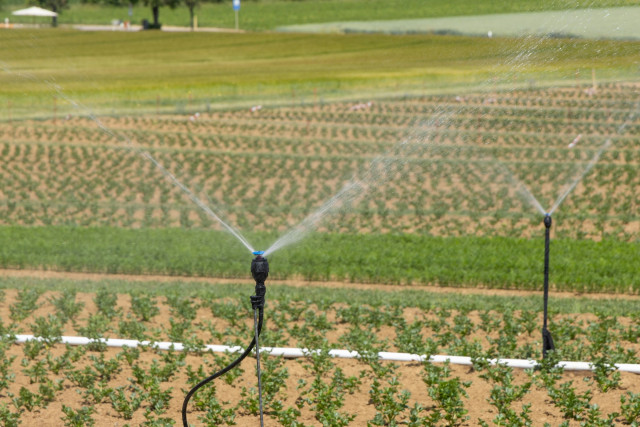
When applied to community gardens within affordable housing areas IoT-driven smart irrigation makes water usage more efficient.
These systems:
- The system conducts soil moisture analysis combined with weather forecast methods.
- Real-time conditions serve as the basis for automated irrigation scheduling through devices.
- The system helps users cut their water usage in half better than conventional irrigation methods.
AI-powered irrigation systems at urban affordable housing properties throughout India blend water efficiency with better air quality and increasing vegetation.

Benefits of IoT-Driven Smart Water Harvesting
- Water Cost Savings: Reduces overall water bills for affordable housing residents.
- The sustainability benefits emerge from maximized water efficiency which minimizes environmental impact.
- Drought Resilience: Ensures water availability even in dry seasons.
- Property managers can oversee and operate water consumption through smartphone applications for remote monitoring purposes.
Case Study: Smart Water Harvesting in Action
Low-income housing communities in Cape Town, South Africa received IoT-powered water harvesting systems as part of the strategy to overcome their drought crisis.
These communities implemented smart sensors alongside automated filtration systems together with AI-based water distribution which produced these results:
- 40% reduction in water consumption.
- The implementation of improved water access provided clean water to more than 2000 households.
- Engineers achieve lower maintenance expenses because predictive repairs along with early leak detection capabilities exist in these systems.
Other arid areas worldwide are currently using this model as a blueprint for implementation.
Government Policies and Incentives for Smart Water Harvesting
The global community understands the urgency of water preservation therefore both governments along with organizational bodies provide financial rewards for implementing smart water collection methods across affordable housing structures.
These include:
- Users who install Internet of Things-based water-saving systems will receive both tax credits and rebate benefits.
- Low-income housing projects can obtain funding through grants when implementing smart water solutions.
- Various regulations along with authorized standards promote rainwater collection systems and leak protection detection methods.
Through its Smart Water Fund Australia supports financial backing for IoT-based water conservation projects and the Water Smart Program in California gives subsidies to install smart irrigation systems.
These policies allow developers of affordable housing to extend their resources and promote sustainable water management in neighborhoods.
Conclusion
The implementation of IoT-powered smart water harvesting creates revolutionary changes in areas with droughts and affordable housing environments.
The smart water systems use optimized collection methods and stop waste and apply efficient distribution channels to deliver sustainable and economic relief from water shortages.
The inclusion of IoT-driven solutions for water management into affordable housing infrastructure becomes essential because of worsening effects of climate change on water resources.
FAQs
1. Can smart water harvesting systems work in all climates?
The IoT-powered systems deliver their greatest advantages in drought-prone regions yet they equally help optimize water systems in rainy areas through effective flood prevention and water management.
2. How expensive is it to implement IoT water harvesting in affordable housing?
Smart water harvesting can require different initial prices while long-term cost advantages for both water expenses and upkeep establish its investment value. Numerous organizations along with government bodies provide funding through grants and subsidies to enhance their smart water initiatives.
3. Why do low-income communities face difficulties when implementing smart water harvesting programs?
The main barriers to implementation consist of expensive equipment while residents lack knowledge and require skilled technicians. Cloud-based IoT solutions and government-backed initiatives work to make these systems available to all communities.
Also read: IoT Security Systems for Affordable Housing: Affordable Alternatives to Traditional Alarms



















LEAVE A REPLY