

Slum Schools: Challenges and Innovations in Education for Marginalized Children
Accommodating millions of children who reside in slum communities remains a fundamental issue because these areas offer limited access to quality educational opportunities.
Schools located in slums face double challenges since they operate with insufficient facilities while dealing with scarce materials and underqualified instructors.
Modern educational solutions develop to provide hearing opportunities for disadvantaged children who aim to build better life prospects.
Challenges Faced by Slum Schools
1. Lack of Proper Infrastructure
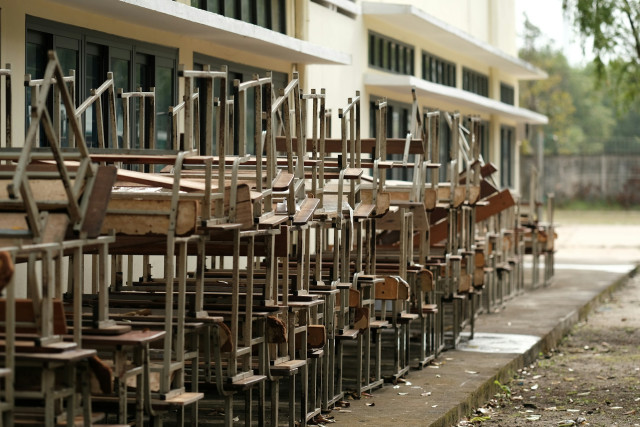
Slum schools mostly function from temporary buildings and excessively full living spaces because they lack fundamental utilities such as ventilation and sanitation infrastructure.
As a result of insufficient seating students must use the floor space which makes concentration on studies nearly impossible.
The lack of electricity together with no internet access makes educational opportunities almost non-existent.
2. Shortage of Trained Teachers
Slum schools face a major problem due to an insufficient number of teachers with proper qualifications.
Working conditions and salary levels along with training opportunities which are limited prevent competent teachers from becoming teachers in such areas.
Students receive inferior educational instruction because of this situation which harms their education performance both presently and in the future.
3. Poverty and Child Labor
Extreme poverty affects most families who reside in slum neighborhoods. Several children drop out from school because they need to work early to help their families survive.
The combination of malnutrition alongside stress causes students who attend classes to experience difficulty in focusing in their studies.
4. Limited Access to Learning Materials
The majority of slum schools have to issue books and stationery to their students because they are considered high-end items.
Such important academic resources prove necessary for students to follow school work instructions and perform self-study tasks.
The absence of digital technology increases the educational gap that divides students from slums from their counterparts from wealthier backgrounds.
5. Social Stigma and Discrimination
Slum children experience social prejudice which makes their transition between slum education and mainstream learning institutions more difficult.
Their inadequate self-esteem combined with confidence issues prevents them from making proper academic progress.

Innovative Solutions for Slum Education
1. Mobile and Community Schools
Non-governmental organizations together with governments have implemented mobile schools which act as moving classrooms to deliver education through wheels to slum children.
Local schools built by community members along with community volunteers introduce learning spaces within children's residential zones.
2. Digital Learning and EdTech Solutions
The delivery of quality education in slum areas receives support from technology-based initiatives.
The implementation of low-cost tablets holding educational content together with interactive learning apps works to close digital gap differences.
The educational programs offered by Khan Academy and Pratham deliver online courses which specifically target disadvantaged children without any cost.
3. Training and Supporting Local Educators
Some programs give local community members appreciation-based training to teach their children.
By using this method schools can keep teachers who understand specific neighborhood problems along with being capable of better student connection.
Through consistent teacher training workshops organizations can provide better teaching methods to students.
4. Nutritious Midday Meal Programs
Children who experience hunger have great difficulty with their learning process.
Many slum education programs supply students with free meals as an essential measure to prevent their school dropout.
The majority of schools maintain midday meals programs that simultaneously enhance attention among students and make school attendance more appealing to parents.
5. Scholarships and Financial Assistance
Organization efforts to help slum children study include financial support systems that distribute scholarships combined with monetary assistance. Financial aid deliveries together with free school uniforms and academic supplies assist families by eliminating their educational costs and pushing them toward increasing school priority.
6. Life Skills and Vocational Training
The early entry of slum children into the workforce receives support from vocational training programs which teach them applicable skills.
Through tailoring and carpentry courses together with computer literacy and entrepreneurship instruction participants gain abilities to pursue superior employment prospects in their future.
7. Community Involvement and Awareness Campaigns
The educational progress of children depends heavily on proper parental understanding of lasting advantages that education brings.
School officials utilize face-to-face community outreach together with informational programs that aim to develop mutual understanding which enables families to recognize education's higher importance than child labor activities.
Success Stories: Real-World Impact of Innovations
The Akanksha Foundation (India)
The organization operates successful innovative high-quality educational institutions for disadvantaged children inside slum communities.
The educational approach includes entire child development through simultaneous academic learning and extracurricular activities.
Bridge International Academies (Africa & Asia)
Through its data-informed educational operations Bridge International Academies establishes low-cost private educational systems that serve poverty-stricken communities.
Through digital tablets the organization distributes its curriculum which maintains standard education quality across all locations.
Khan Academy and Free Digital Resources
Khan Academy successfully expanded its mission of free educational excellence to serve slum educational institutions.
Most instructors rely on their educational materials to extend classroom instruction.
Conclusion
From being a poverty-breaking instrument education remains unreachable to millions of children who live in slum neighborhoods.
Quality learning opportunities must be available for every child regardless of their specific circumstances through the combined effort to address crucial problems using new methods.
The journey will take extended time yet collective action between governments and NGOs and individuals will turn slum education into a bright chance for disadvantaged populations.
Frequently Asked Questions (FAQs)
1. How can governments support slum schools?
Greater funding together with teacher training and cost-free education materials enable governments to enhance slum education facilities. The funding of infrastructure projects in combination with digital learning devices creates substantial improvements.
2. What functions should individual citizens perform to improve slum education?
Liberal assistance for slum education includes becoming volunteer tutors along with material donations and backing organizations dedicated to this cause. The advancement of slum education depends on creating awareness which leads to effective policy changes.
3. Is digital education suitable as a substitute for traditional schooling within slum areas?
Information technology better supports education but does not entirely fulfill the role of conventional classroom education. Slum children achieve the most beneficial results through educational programs that combine ultimate classroom sessions with technology-enhanced learning methods.
Also read: Mental Health in Slums: Coping with Poverty, Violence, and Stigma





-3dkuLgKhRD.jpg)
-49HupTvwDD.jpg)









LEAVE A REPLY