


Slum Landlords: Exploitation and Tenant Rights in Informal Housing Markets
People worldwide suffer from inadequate housing despite its basic human right status because many lack economic means to obtain affordable living spaces.
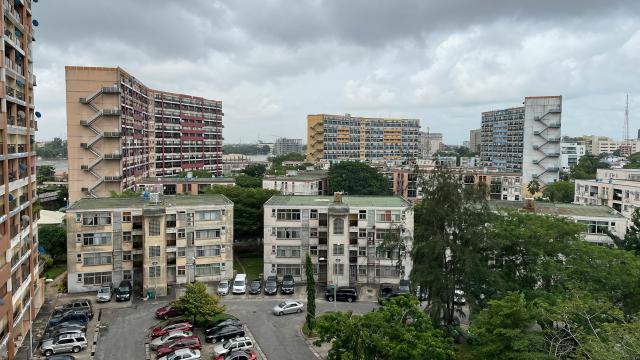
Multiple urban areas operate informal housing markets where slum landlords control unregulated dwellings that are unsafe dwellings seeking maximum profit instead of tenant welfare.
People in vulnerable states become victims of landlords who evade legal responsibility through excessive rent collection for poor living spaces.
The blog investigates the characteristics of slum landlords and describes housing challenges for tenants alongside solutions for protecting tenant rights in the informal housing sector.
The Rise of Informal Housing Markets
The formation of informal housing markets appears after standard housing solutions prove unable to fulfill the needs of residence in lower-income brackets.
Multiple forces such as rapid urbanization, income inequality and scarce affordable housing drive people toward living in slums together with informal settlements or illegal rental properties.
Slum landlords exploit the demand for housing by offering unfit properties to residents who do not receive proper legal protection despite substandard living conditions and unsafe conditions.
The landlords who avoid legal regulations make it hard for tenants to find relief against mistreatment in their homes.
Lacking enforceable contracts makes keeping tenants safe while their lack of protection from evictions and unavailable basic services worsens their difficult living conditions.
How Slum Landlords Exploit Tenants
1. Overpriced and Substandard Housing
Dwellers in slums pay exceptionally high sums to live in residences that do not supply fundamental utilities like electricity along with running water or appropriate sanitation systems.
Tenants living in substandard housing conditions pay more money for each square foot than people who occupy lawfully regulated housing.
2. Lack of Tenant Rights and Legal Protections
Rental agreements created through official channels provide occupied rights to tenants which allow them access to legal protection and safe residency.
Informal housing markets generally do not offer any protection to their residents. Informal rental agreements between tenants and landlords fail to provide evidence of terms which enables landlords to unilaterally adjust rental prices or eject tenants anytime and ignore necessary maintenance needs.
3. Intimidation and Exploitation
Tenants who complain to slum landlords face intimidation as a method to silence them.
The landlords resort to various threats such as eviction, violence and police intervention to prevent tenants from advocating their rights.
Demands by slum landlord’s work particularly hard on undocumented migrants and refugees and other commonly disregarded groups since these groups fear legal retribution if they report their treatment.
4. Bribery and Corrupt Practices
Many cities let slum landlords carry out their abuse because of corrupt practices.
Local authorities accept financial bribes from landlords who need to avoid inspections while trying to avoid penalties for housing violations.
Government agencies abstain from intervention which thereby enables the cycle of exploitation to continue.
The Impact on Tenants
Long-term severe consequences result from being exploited by slum landlords. Tenants suffer from:
- Living conditions that are substandard generate health dangers which include respiratory troubles together with water-based illnesses together with mental health problems.
- Tenants who pay high rent amounts remain with insufficient funds to purchase food and obtain healthcare and education services.
- Homelessness growth occurs when slumlords evict tenants randomly thus pushing them into living on the streets.
- The limitations of social progress stemming from inadequate housing prevent multiple generations from achieving both educational and economic improvements which maintains their condition of poverty.

Legal and Policy Solutions
1. Strengthening Tenant Protections
Governments need to establish better protection laws for tenants which they should enforce rigorously.
- Control policies on rent help to stop landlords from increasing prices.
- The establishment of legal rights needs to recognize informal residential agreements so tenants can enforce their tenancy status.
- All landlords who violate housing standards will face severe punishment through the law.
2. Expanding Affordable Housing Initiatives
Cities must increase their financial support toward two main strategies to cut dependence on informal housing markets.
- Low-income housing projects.
- The development of reasonably priced rental properties requires collaborative schemes between public organizations and private sector businesses.
- Tenants who face financial difficulties with rent payments gain access to support programs offering monetary assistance.
3. Improving Law Enforcement and Anti-Corruption Measures
Law enforcement needs to establish immediate action against slum landlords through the following measures:
- The regular examination of informal housing facilities must be conducted by officials.
- The rights of reporting tenants need protection through designated whistleblower protocols.
- Authorities should charge landlords with prosecution for their illegal housing operations.
4. Empowering Tenants through Advocacy and Education
Nonprofit organizations together with tenant unions serve as essential partners to achieve the following tasks:
- Educating tenants about their rights.
- Nonprofit organizations help clients who need legal help because they face the possibility of eviction.
- The advocacy of policy modifications which would enhance housing standards makes up part of the effort.
The Role of Civil Society and Community Action
Community-driven action systems assist in preventing exploitation when people occupy homes illegally. Tenants can:
- The group should organize together to receive better housing standards.
- They should team up with legal organizations that provide aid services to fight cases of illegal evictions.
- Citizens should take part in local government by advocating housing reform initiatives.
The unity of tenants creates power which enables them to lobby for fair housing standards from legislators and property owners.
Conclusion
Slum landlords succeed in illicit housing markets by taking advantage of defenseless communities because legal action seems minimal to them.
The solution demands various components including enhanced housing safeguards for tenants while implementing affordable housing programs together with anti-corruption measures and tenant support systems.
Effective action combined with housing rights recognition will lead society toward housing availability for every individual and their right to live in safe dignified affordable spaces.
Frequently Asked Questions (FAQs)
1. What legal actions can tenants take against slum landlords?.
Housing complaint submission can be filed through local authorities combined with help from tenant advocacy organizations and legal action based on applicable housing laws. The weak nature of legal protections in informal housing markets necessitates neighborhood organizations to stand up for their rights.
2. Local authorities have what legal power to stop slum landlords yet ignore it?
Most authorities decline to intervene due to corruption as well as insufficient resources and concern about evacuating large populations who have no access to new housing solutions. The landlords sometimes use their political ties to avoid legal consequences.
Also read: Mental Health in Slums: Coping with Poverty, Violence, and Stigma




-3dkuLgKhRD.jpg)
-49HupTvwDD.jpg)









LEAVE A REPLY