

Shared Amenities (Laundry, Community Rooms): Reducing Rent Without Reducing Dignity
Affordability has become one of the most pressing issues in cities of the world due to escalating housing prices. In response, designers, home providers, and policymakers are looking into shared facilities like communal laundries, kitchens, and community rooms as one of the means to lower rent and still maintain quality of life.
 Shared spaces have, however, been
misconstrued as a loss in privacy or dignity. This may be the case when wrongly
designed or managed. Provided in a well-considered fashion, common facilities
may supply social interaction, decrease the personal cost of housing, and
elevate the general standard of living. The trick is to come up with common
facilities that do not infringe on the needs of residents, their cultural
expectations, and ownership.
Shared spaces have, however, been
misconstrued as a loss in privacy or dignity. This may be the case when wrongly
designed or managed. Provided in a well-considered fashion, common facilities
may supply social interaction, decrease the personal cost of housing, and
elevate the general standard of living. The trick is to come up with common
facilities that do not infringe on the needs of residents, their cultural
expectations, and ownership.
This blog will cover the ways in which shared amenities
could decrease housing costs without degrading dignity, with the emphasis on
design, management and social impact. Housing developments can become
affordable and contribute to the comfort, respect, and well-being of the
community by considering shared spaces as an asset and not as the elimination
of expenses.
Understanding Shared Amenities as Economic Infrastructure
Shared amenities serve to act as economic infrastructure in housing developments by minimizing duplication of spaces and services. The units are not required to have their own laundry, meeting room or recreational facilities but rather these are integrated into common facilities.
This saves
on construction cost, maintenance cost and ensures efficient utilization of
space. According to the housing economics view, shared amenities enable smaller
individual units without compromising lack of access to services that are
essential. The resulting savings can be represented in the form of reduced
rents or of more consistent housing expenses with time.
The concept of shared space should not be seen as a remnant or an overlooked part of the building; on the contrary, shared spaces should be introduced and operated as a part and parcel of the building.
By feeling that these facilities are trustworthy, in proper condition, and easily approachable by the residents, they consider them as an asset instead of a liability. Well-maintained shared facilities help in developing trust and fulfillment and with the notion that it does not mean one has to lose their dignity to afford the amenities.
By doing so, the manifestation of shared facilities proves that the
well-being and self-respect of residents is not tied to the possession of all
the personal functions, but rather an available access to the high-quality and
functional spaces meeting the needs of everyday living and community.
Quality of Design and the place of Dignity
The aspect of dignity in housing is directly related to the quality of design, whether the spaces are shared or privately held. Well-lit, ventilated, clean, and designed shared amenities add to the feeling of self-worth by the residents.
On the other hand, badly planned communal areas
may be unsafe, stigmatizing, or the deteriorated ones. Even within a budget,
materials, finishes and spatial proportions do make a difference.
Inclusivity is enhanced by clear signage, good acoustics, and accessibility by individuals of diverse ages and abilities. There is also the issue of privacy in shared spaces, which can be honored by using a layout that does not congest or create any forced communication.
Communal facilities that are constructed with equal
consideration as individual units are an indication of respect to the
individuals. This design-based decorum is valuable in contradicting the image
that shared living is a second-best option, but rather it is an intentional and
valuable option to housing.
Shared Laundry Facilities as a Cost and Care Case
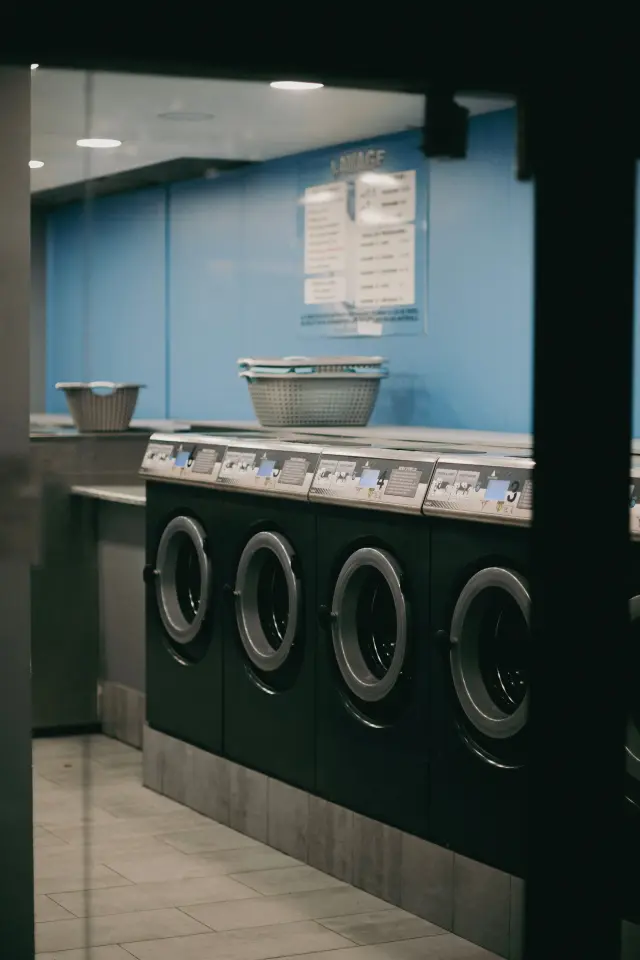
One of the most effective and common shared amenities in affordable housing is laundry facilities. A common laundry means that only a small number of machines, plumbing supplies, and electrical demands are required in each unit, which considerably reduces construction and maintenance costs.
Shared laundries can easily be convenient and hygienic when they
are properly managed and well located. Proper machine capacity, scheduling
systems and good ventilation bring about no conflict and discomfort. The
seating, natural light and visibility are designed so as to enhance safety and
usability. There is also a common laundry to provide a chance to interact
casually without imposing it on people.
Residents must feel that the shared facilities are stable, reliable, and carefully designed, and their time and everyday routine should be valued. Residents would feel that with common facilities like laundry available at all times, in their functional and well-maintained condition, such facilities are not the cause of frustration or inconvenience.
The framing of
shared laundries as a public structure instead of an add-on or periphery space
reinforces this trust and increases functionality. These facilities should be
well planned, taking into account the place of location, capacity, accessibility
and their schedules without stressing the privacy and time of the residents.
Shared laundries are affordable and convenient when well
designed and managed and may help in small individual units without losing
face. Citizens enjoy lower accommodation prices without losing the comfort of
life, which show that quality communal spaces could be of practical and social
value. These amenities are treated like infrastructure, and they promote
sustainable, respectful and dignified living conditions.
Community Rooms as Prescriptions of the House
The community rooms are good extensions of personal living areas especially in small or modest housing units. They also offer residents to hold their meetings or celebrations, have meetings, or just do quiet activities which the individual apartments might not afford.
Having merged these functions into common areas, the residents now have access to the amenities that may otherwise be unaffordable or unfeasible on a unit-by-unit basis. Community rooms are effective mainly by virtue of their flexibility.
Well-considered spaces have the capacity to change through multiple applications as agreed needs of the household or community. Inadequate management, e.g. scheduling, use rules as well as maintenance, keep these rooms friendly and efficient.
The residents will take care of community rooms and
utilize them properly when they have a sense of ownership and control over
them. Community rooms are a great addition to housing developments that are
convenient, well-designed, and socially interesting.
Adaptable spaces that can be used by people in various ways as time goes will be valued as relevant. Misuse can be avoided by proper management, booking systems and common rules that promote fairness.
The
residents will take care of community rooms better when they have the feeling
of ownership. This mutual duty empowers the social connection and maintains
dignity because the residents are not seen as onlookers but are regarded as
active members.
Privacy, Choice and Voluntary use
Loss of privacy is one of the key issues regarding the use of shared amenities. To solve this issue, it is necessary to design and establish a very clear line between personal and public areas. Common facilities must be used to supplement and not to substitute vital individual functions.
They should not be pressured or supervised to choose the time and manner of using shared spaces, but rather leave it to the residents. Finding common facilities outside personal sleeping spaces and ensuring access to them safely would assist in ensuring comfort.
Intrusion can also be
minimized by visual and acoustic separation. When the residents perceive that
shared amenities are extra and decent, then they will accept them. Dignity is
subsumed in the power of choice; collective living is best in situations where
it broadens choices instead of limiting them.
Maintenance, Trust and Management.
Management and maintenance are key to the long-term success of the shared amenities. Even the well-planned spaces might become unvalued within a short period once they are not maintained or managed uniformly.
Defined roles, clean up schedules and reactive repairs foster trust among the
residents. Clear regulations and equal implementation hold off discord and
abuse.
Accountability and care may also be enhanced by involving the residents in decision-making regarding common spaces. Through good management, the shared amenities are found to be functional, safe and amiable even after some time.
Such a reliability is vital in dignity because the
residents should be capable of relying on common facilities as an aspect of
their lives. Confidence in management converts communal facilities into the
possible sources of conflict to stable elements of the cheap living.
Working in the Community: Other than Economic Benefit
Social amenities are not just affordable. They provide spaces of interaction, integration and community construction, otherwise unavailable in high-density urban settings. Informal interactions at the common areas will alleviate loneliness and enhance psychological health.
In the long
run these exchanges may result in informal support groups, joint childcare or
joint problem solving. Notably, social interaction should not be imposed with
design but rather it should come out naturally.
Sharing facilities
that are friendly and of adequate size will provide an opportunity to build
relationships on the own speed of residents. These social amenities add dignity
by creating a sense of belonging and recognition, which helps to strengthen the
notion that affordable housing does not have to be socially barren and dull.
Sustainability of Shared Amenities and Long-term housing
In the view of sustainability, shared amenities will help in conserving resources because redundancy will be minimized. Reduced number of appliances, smaller privately owned units, and collective energy systems reduce the impact on the environment.
This efficiency enhances affordability in the
long-run because it minimizes the operation costs. Shared spaces are also more
adaptable when it comes to changing needs, meaning buildings can be useful even
in the long term.
With the change in demographics, community rooms or other common areas can be modified easily via reprogramming, without the need to involve significant structural changes. This flexibility adds value to the housing projects in the long run.
Sustainability, affordability, and dignity
create a strategic instrument instead of a compromise when they are aligned.
They show that human-centered design may apply together with responsible
resource usage.
Cultural Sensitivity and the Daily Practice
Shared amenities should be able to respond to culture and daily living practices in order to maintain dignity at a low cost. Different communities have diverse habits of laundry, socialization, gender roles and time patterns.
The laundry, which is a place that disregards the cultural norms
of privacy or time, may soon turn out to be an inconvenience more than a
convenience. Flexibility designing to be flexible, including by having more
than one machine, or separate waiting rooms, or time-based access enables
residents to use shared facilities in a manner that fits their schedules.
On the same note, community rooms must be flexible to other cultural purposes as well; such as, celebrations, meetings, or silent activities. Shared spaces that reflect the lived realities of the residents are considered respectful, and not imposed.
Dignity can be enhanced through cultural sensitivity in common facilities as it
appreciates diversity and does not propose a one-size-fits-all solution. This
responsiveness also heightens usage, care, and success of shared facilities
over the long term.
Sex, Age, and Design to accommodate people with disabilities
Common facilities ought to be accommodative to all genders, age, and abilities so that they can indeed promote dignified living. The shared spaces of women, children, older adults, and people with disabilities tend to be different and can be a hindrance when the design does not consider their needs.
Having good light, visibility, access routes and
barrier-free design enhances the comfort and safety of all users. Different physical
abilities should be accommodated in the seating, storage heights, and the
circulation widths.
Transparency and nearness to housing units may enhance security, particularly to the vulnerable users. The inclusive design would involve the common amenities but they will not favor one group at the expense of another.
These amenities enhance social equity and also ensure affordability
when all people can comfortably use shared spaces. Inclusivity will turn common
facilities to empowering resources and not disenfranchising ones.
By Regulatory Rules and Governance and Shared Responsibility
Clear regulations and governance systems are fundamental in the efficient operation of common facilities. Unless there is mutual consensus, the common areas are easily disputed or abandoned.
Easy, clear regulations on access, bookings, cleaning and conduct will be used to reduce conflict and impart fairness. These regulations must be formulated in consultation with the residents to make them accept and comply with it.
One way to create a sense of
ownership is through shared responsibility models, in which residents are
involved in oversight/decision-making. This group management minimizes extra
administration authority and encourages the long-term care.
Whenever residents develop a sense of ownership of common
amenities, chances are high that they will be respectful of these amenities and
ensure their protection. Good governance will help in maintaining the dignity
of shared spaces, ensure their functionality, and also the sustainability of
the spaces.
Stigma, Housing Identity and Perception
The stigma attached to communal living in affordable housing is one of the issues of community snacks. Shared spaces that are poorly designed may support feelings of inadequacy or inferiority in society.
In its
turn, quality of communal facilities can question such accounts. In the case of
attractive, well-kept and well utilized shared laundries and community rooms,
these add value to housing identity. They will have a greater chance of their
residents taking pride in their living environment.
Such a perception change is vital to dignity. The dwelling
place should not be an indication of constraint, but promise. Repackaging
communal facilities as a beneficial outcome as opposed to a compromise would
enable housing providers to de-stigmatize and advance an inclusive urban living
concept that is accepted by residents as well as the broader community.
Policy Support and Long-term Affordability
Common facilities need to have good policy frameworks in order to realize their potential. The zoning laws, building codes and housing standards must be used to legitimize shared spaces as a part of residential development.
Innovation and affordability can be promoted by policies that
permit smaller unit sizes in the case of high-quality shared amenities. It is
also necessary to have long-term affordability based on the mechanisms that
fund maintenance and management of shared facilities.
In the absence of
policy coherence, shared amenities have a high probability of being
underestimated or demoralized. With considerate regulation and investment,
shared amenities are a strategic instrument to provide dignified yet inexpensive
housing in large scale. Policy support is a way of making sure that cost
reduction through sharing does not affect quality and long-term sustainability.
Conclusion
Communal facilities like laundries and community rooms provide an effective means to save on housing at the expense of dignity. When planned and operated carefully, they will offer access to the necessary services, social interaction, and adaptable living possibilities.
Quality design, privacy, choice, cultural sensitivity and effective governance are also used to uphold dignity. Instead of a loss, shared amenities can help make life more comfortable and affordable as well as sustainable housing.
With the cities still struggling with housing problems, the adoption of collective facilities as worthy and respectful infrastructure will assist in building inclusive and strong societies where cost-effectiveness and dignity do not conflict.
Also read: Co-Living Spaces: A Real Alternative to Expensive Apartment





-3dkuLgKhRD.jpg)
-49HupTvwDD.jpg)






LEAVE A REPLY