

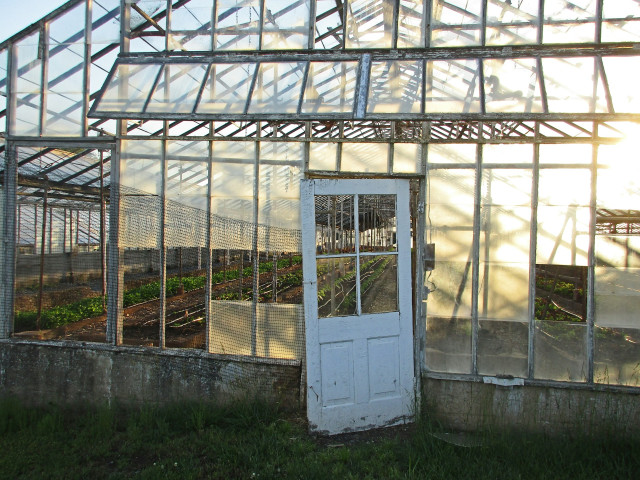
The Role of Urban Farming in Feeding Growing Populations
The growing human population places rising demands on cities to supply food for their inhabitants.
The shortage of available farmland combined with rising food security worries have led urban food cultivation to become a sustainable means for local food production together with better environmental impact and urban health benefits.
The combination of modern agricultural practices with built-up land food cultivation allows cities to generate enough food for their expanding populations.
The Need for Urban Farming in a Rapidly Growing World
Global urbanization rates keep increasing because the world now hosts more than 50 percent of its population within cities.
These changes have produced three main problems affecting society: food shortage, excessive reliance on imported foods and unsustainability toward the environment.
The practice of urban farming solves these urban concerns through nearby food production which cuts down transportation expenses and decreases food loss.
Key Challenges in Urban Food Security
- The practice of conventional farming demands extensive land spaces but cities have limited available land for agricultural purposes.
- Long-distance food supply chain operations lead to increased costs and environmental impact alongside greater exposure to supply chain breakdowns for cities.
- Processed fast food consumption prevails in urban areas where it creates obesity and malnutrition problems in communities.
Urban farming works as a feasible answer when cities use their available spaces including rooftops and community gardens and vacant lots to generate locally produced nutritional food.
Types of Urban Farming and Their Benefits
Multiple approaches within urban farming serve distinct purposes to solve problems regarding food security and sustainability.
1. Rooftop and Vertical Farming
- Fashioned roofs along with vertical horticultural plots enable food cultivation across high-rise residential neighborhoods which previously lacked agricultural potential.
- These local farming operations provide shorter transportation distances which decreases both carbon emissions and helps decrease emissions and distance to consumer markets.
- The successful rooftop farming implementations include Sky Greens at Singapore and Brooklyn Grange from New York City.
2. Hydroponics and Aquaponics
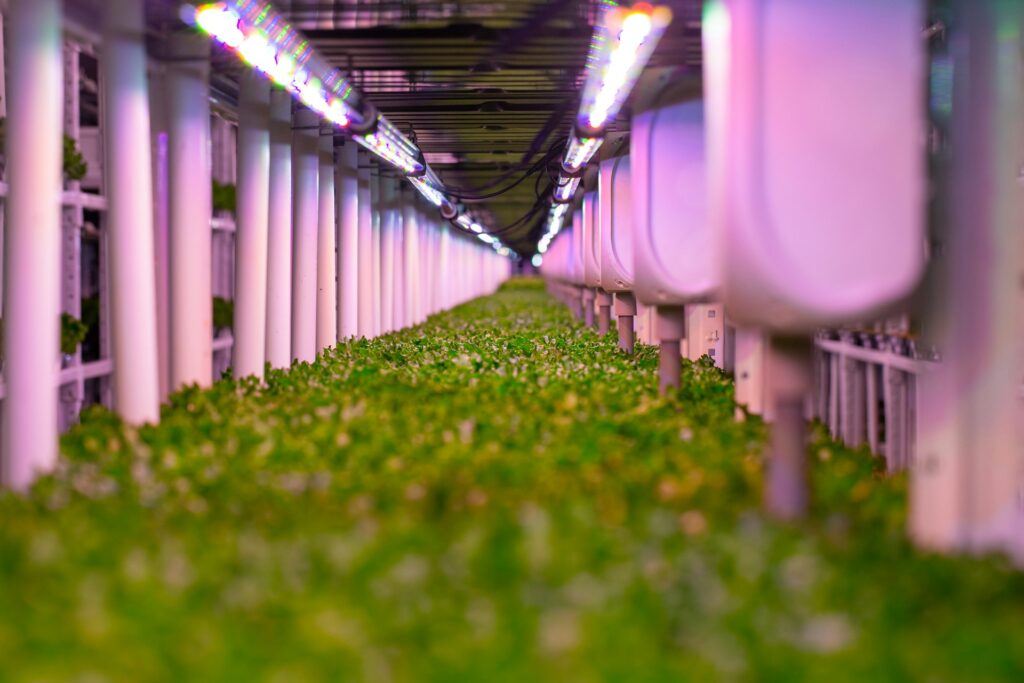
- The combination of hydroponic and aquaponic systems produce crops without soil by circulating water streams with enriched nutrients. The agricultural technique consumes much lower amounts of water compared to conventional farming practices.
- The controlled-environment systems create possibilities for all-year food production through which farmers maintain food availability irrespective of changing seasons.
- The agricultural technology companies AeroFarms and Freight Farms employ hydroponic systems for producing fresh greens throughout urban regions.
3. Community Gardens and Urban Allotments
- Community gardens allow local residents to engage in food production which builds their ownership ties with food sources while strengthening their relationship with their food.
- These spaces unite different population groups who form social bonds and become more environmentally conscious.
- Two examples of urban garden programs that integrate community gardens into city landscapes include the Detroit Urban Farming Initiative and London’s Capital Growth campaign.
4. Indoor Farming and Controlled-Environment Agriculture (CEA)
- Through controlled indoor farming systems growers achieve better yield quantities while limiting pest infestation and handle light exposure and temperature and humidity parameters exactly.
- The method requires no agricultural land because indoor food cultivation eliminates the need for basic land usage which makes it perfect for urban agriculture.
- The leading companies in indoor farming control are Japan's Mirai farm along with Plenty in California.
The Economic and Environmental Impact of Urban Farming
Urban farming acts as a fundamental sustainability tool for urban development since it combines economic advantages with environmental benefits.
Economic Benefits
- The creation of employment positions occurs at urban farms through agricultural work together with food processing needs and distribution requirements.
- The incorporation of food production within cities accelerates small business development along with decreasing dependence on imported food as part of local economic expansion.
- Lowered food expenses reach consumers because minimized transportation together with storage costs benefit them.
Environmental Benefits
- Fewer distribution routes help decrease the amount of fuel needed for transportation thus lowering total greenhouse gas outputs.
- Structures built vertically and indoors achieve maximum food production while avoiding expansion of agricultural lands.
- The environmental health benefits from green spaces developed by urban farms include their ability to purify pollutants while lowering urban heat and improving general air and water quality.
Challenges and Future Prospects of Urban Farming
Widespread adoption of urban farming requires resolving multiple challenges that exist despite all its beneficial attributes.
Challenges:
- Businesses starting hydroponic and vertical farming operations must invest a large amount of capital at the outset.
- The practice of urban farming can face limitations through zoning laws together with land-use policies which certain cities impose.
- To achieve success in urban farming individuals need to acquire professional expertise in agronomy together with hydroponics and controlled-environment agriculture.
Future Prospects:
- The promotion of urban farming occurs through government assistance that includes providing incentives and reforming zoning laws and supporting sustainable agriculture research.
- Improved Agri-Tech technologies that unite artificial intelligence systems with automated processes and precise agriculture allow for better operational effectiveness and greater scale.
- Businesses in alliance with local communities and government entities should work together to expand their network of urban farming practices which will establish urban farming as a widespread solution.
Conclusion
Urban farming presents itself as an essential component that supports the enhancement of food security needs and sustainability alongside economic strength of developing metropolitan cities.
Urban space implementation of local food production coupled with superior farming technology results in environmental conservation and economic development while securing food availability for the coming generations.
The world's rapidly expanding urban populations can be sustainably fed by implementing correct policies together with community support and investments in urban farming.
FAQ
1. How does urban farming help improve food security in cities?
Implementation of food production in urban areas shortens distribution paths which reduces people's need to depend on imported food and far-away agricultural shipments. The combination of vertical farming and hydroponics and community gardens enables cities to locally produce healthy fresh food thus ensuring food security through an accessible supply system.
2. Urban farmers encounter which fundamental problems as they operate?
Urban cultivators must deal with business startup expenses together with regulation limitations when expanding their operations. Technical expertise related to controlled-environment agriculture combined with limited funding availability serves as primary barriers to expanding urban farming operations across larger scales. The government together with advanced agricultural technologies supports the resolution of these farming difficulties.
Also read: The 15-Minute City Concept: Revolutionizing Urban Living













LEAVE A REPLY