

The Potential of Repurposing Vacant Buildings for Housing Solutions
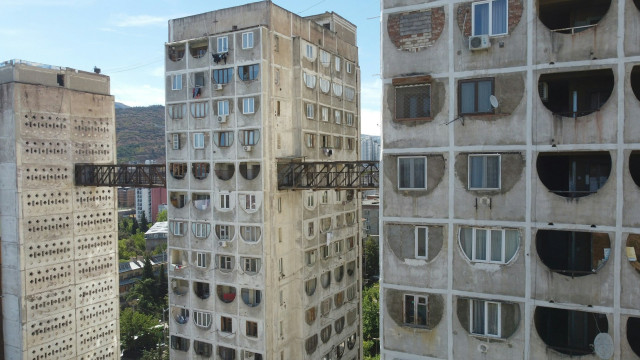
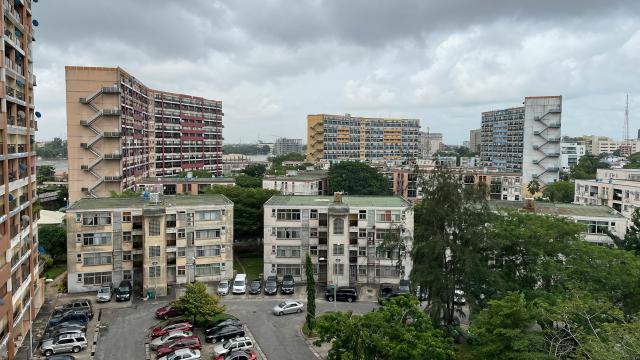
On the one hand, in cities around the globe the housing shortage is increasing, and on the other one, there are many empty and forsaken buildings. Empty warehouses, closed schools, idle office buildings, forced there by the consequences of remote work, these buildings are a challenge and an opportunity. As housing crises continue, more and more policymakers, architects and community advocates choose to research the possibilities to turn vacant buildings into affordable housing facilities. The strategy is not only able to resolve the acute housing increase but will also be useful in defending the redevelopment of a region, competing sustainability and resilience of a community.
The conversion of existing structures involves innovation and partnership, as well as the readiness to reconsider the conventional methods of development. This post will be exploring the many-dimensional opportunities that redevelopment of vacant land has, as well as the difficulties and sustainability of such an initiative.
Housing Affordability and the Opportunity of Vacant Spaces
The shortage of affordable housing is now one of the most iconic challenges of the present era as millions of individuals cannot find a place to live that would suit their incomes and their social requirements. Increasing housing costs and lack of income growth have placed even working families at a disadvantage as they have been directed out of the market. It is against this background, vacant buildings are indeed a special opportunity. These buildings, already in existence and frequently well situated in the city centres, have the advantage of being able to be adapted in a short time to new uses at lower cost than a completely new construction. The respondent cited vacant property as one of the possible ways through which housing stock can be increased at a lower cost, especially in comparison to the growing costs of land acquisition, labor, and materials in the building industry.
Vacated commercial and industrial structures are of particular value in this matter. As an example, abandoned office buildings that had gone unused following the long-term relocation of working remotely might be reconfigured into residential apartment buildings or a combination of services and housing. There are also schools and churches or municipal buildings that are not being used anymore that can be converted into multi-unit living. Such a solution not only offers shelter it also makes sure cities get to utilize the most out of its current infrastructure in the forms of transportation system, utilities and public amenities. Through a shift in investment in adaptive reuse, cities may alleviate some of the inequality related to housing deficiency and provide affordable ways to sustain low- and middle-income residents.
There is also overlap between purposing and inclusivity. Empty properties can be converted to shelter needy groups of the society, be it the homeless, elderly, or people with disabilities. By doing that, cities can establish societies that manage the number of housing as well as the quality. Adaptive reuse can instead focus on accessibility, safety, and affordability, among other factors, to ensure the housing crisis is resolved in such a manner that caters most to the needs of those in need.
Sustainability and Environmental Benefits of Adaptive Reuse
Repurposing empty buildings is as much a strategy concerning housing, as it is concerning sustainability. The construction sector contributes to a very large amount of carbon emissions in the world given the volume of energy consumed and materials extracted and the wastes produced. The reconstruction of new housing in its pure form will in most cases involve the destruction of the old buildings, creating more waste, using more energy. In contrast, adaptive reuse conserves some of the embodied energy expended in existing buildings, and lowers the housing development environmental profile.
Turning a disused building into homes minimizes the quantities of new construction material needed, much of which is high-carbon to manufacture, including steel and concrete. It also reduces the environmental costs incurred in transportation of materials and clearing of construction wastes. In most instances, adaptive reuse initiatives have energy efficient retrofits that include enhanced insulation, new age HVAC systems, and renewable energy (i.e. wind, solar energy) which not only makes them green but also reduces the utility bills of the residents. These long-term savings are devoted to the well-being of the housing affordability.
Another significant urban environmental challenge is urban sprawl when urban areas expand towards creating new housing. Such growth often sprawls into green areas, farmland and eco-systems, further dependence on cars and extra pressure on local resources. Vacant buildings especially in the urban centres, when refurbished, help in keeping most of the dwellings in cities. Proximity to jobs, school, healthcare and public transit provide residents with greater access, relieving automobile use and curbing greenhouse gases.
Also, adaptive reuse projects may make a difference in keeping the cultural and historical integrity of neighborhoods. Barns, old mills, old churches, factories and old hotels can be transformed to house people, but the old structure, such as the old millstones in a mill, can still be present to remind the people of the old times. This brings the feeling of continuity and identity and at the same time serves current housing requirements. In such a manner, the environmental sustainability is aligned with the cultural sustainability to make solutions not only green, but also socially significant.

Social Revitalization through Repurposed Housing
In addition to the question of affordability and durability, housing vacant buildings has significant human capital factors. Sometimes empty and abandoned structures represent urban decay, crime and societal dislocation. When they are not used, these buildings turn out to be the symbols of inattention and the obstacles to community development. Conversely, houses generally can be recycled into vibrant living places, which alters whole areas by turning inertness into possibility.
Insertion of housing in the unused areas can jumpstart local economies. New residents stimulate more shops, services, and cultural activities which are available to small businesses and local entrepreneurs. Such influx of activity can lure more investment so that the neighborhood achieve revitalization. Notably, the adaptive reuse projects may be planned with accommodation of the community spaces, childcare centers or healthcare facilities, which would additionally improve the social infrastructure and increase the interaction of residents.
The buildings that are offered through repurposing also could contribute to inclusivity and diversity. The financial investment of affordable living options brings with it the ability to not only withstand the effects of gentrification and displacement commonly present in the urban redevelopment process, but also adds a layer of resistance to it. Mixed-income means that the models can be used to make housing in an economically diverse community, which prevents the congregation of low-income inhabitants in undesirable locations. Furthermore, adaptive reuse can also be used to make accommodating sloping surfaces of elderly residents or accessibility issues so that elderly residents have a second home, as well as accessible topography.
On a more symbolic level, it can be good to turn vacant houses into homes. It reflects a willingness of a society to be concerned with housing as a not simply a commodity, but as a right. It signifies the possibility to make housing situations that will be focused on people and communities rather than only the profit. This is symbolic change that will result in trust, resilience, and social stability in the long run in urban regions where there has been a housing crisis.
Issues and Obstacles to Adaptive Reuse of Buildings
Even though it holds tremendous potential, revitalizing abandoned structures into housing is not all that easy. The adaptive reuse process is prone to hit-ball drawbacks, regulatory, and financial and infrastructural aspects that may complicate the process. An example is the law against zoning; which is the area that cannot be used as residential in areas that were commercial or industrial. A re designation is a potentially long and politically controversial process especially when communities raise their density or infrastructure capacity concerns.
There is also a great problem with building codes and safety regulations. Older structures can cost a lot to repair to the current safety standards, structural integrity, fire safety, and accessibility demands. Adding the features to current buildings may end up costing more than expected, particularly in buildings that were not constructed to accommodate residential occupants. In other situations, such expenses can exceed the cost savings of a rebuilt or remodeled building as opposed to new construction.
Adaptive reuse projects may be financed also with problems Conventional lenders are likely to lack confidence in providing financing towards unconventional developments when the economic feasibility of the development is not reliable. Although the use of public-private partnerships, tax incentives, and grants can be useful, the resources are frequently (or disproportionately) scarce. There is the possibility that developing may not get enough capital to see the projects through, particularly in low income neighborhoods where profit margins are leaner.
Another factor is opposition by the community, also known as, NIMBYism (Not In My Back Yard). The inhabitants of a certain area can oppose the conversion of vacant buildings into affordable housing, because they fear an increase in traffic, a decrease in their property values, or a disruption in the character of the neighborhoods. The way to counter these objections would be through strong community interactions and open planning procedure so that developments meet local needs whilst pursuing the goals of housing provision.
Lastly, not every abandoned building can be occupied as a house. Others might just be too structurally unsound, polluted, or situated in the wrong location, to make the conversion worthwhile. This manifests the necessity of doing careful feasibility studies and planning in determining which properties are most viable to be re-used. Overcoming such barriers will involve synergistic action across government, developers, architects and communities to realise the power that dormant spaces have to offer.
Future Prospects of Repurposing Vacant Buildings for Housing
The contribution of vacant buildings in supplementing housing shortages is about to expand in the future. The need to find innovative solutions to address such issues will continue to grow as populations in urban areas explode and as people are faced with housing crises. Repurposing presents an opportunity not only to add to the amount of housing available but also to incorporate the objectives of sustainability and social equality. The evolution in technology and design will continue to increase the viability of adaptive reuse, as is the case in terms of making conversions more economical and eco-friendly.
The governments should play a major role in the future of repurposed housing. In changing zoning laws, incentive tax credits, and funding retrofit projects, they can make adaptive reuse a mainstream practice of producing new housing. Creating partnerships with non-profits, housing trusts, and community organizations can help to ensure that such projects are affordable and inclusive to everyone and not just maximized to profit alone.
Increasingly, the private sector is interested in adaptive reuse, especially now as more conventional commercial real estate activity is being dislodged. As demand in most office markets softens, most developers are considering a broader mix of office-to-residential conversions as a possible way forward. The tendency is likely to be fueled as urban environments adjust to post-pandemic realities, and hybrid work and e-commerce alter urban environments.
Communities are also important. Effective adaptive reuse projects need to be community-needs based projects whereby housing is not only affordable but also safe, inclusive and linked with essential services. Participatory planning will help foster trust and make sure that re-utilized settings can lead to a future grounded in stability and resilience.
Repurposing of vacant buildings is not a silver bullet solution, but is indeed a critical element in the overall housing puzzle. With new constructions, policy changes, and involvement on the community level, it can make cities more affordable, sustainable, and equitable. The housing has a future that is dependent on how well we can balance vanguard with inclusivity where every available resource including vacant buildings will be brought to bear in the fight against housing insecurity.
The Economic Value of Repurposed Housing
Converting unused buildings into housing is not only a socially beneficial practice, but it is also a strategic means of business as well. Vacant residential structures have a costly impact on cities because they pull funds to store security, maintain the property, or even defend them against court. These vacant lots have the potential of devaluing the surrounding property, deterring investment and limiting tax-income to the local authorities. Cities can eliminate this downwards spiral and turn liabilities into assets through conversion of them into useful housing.
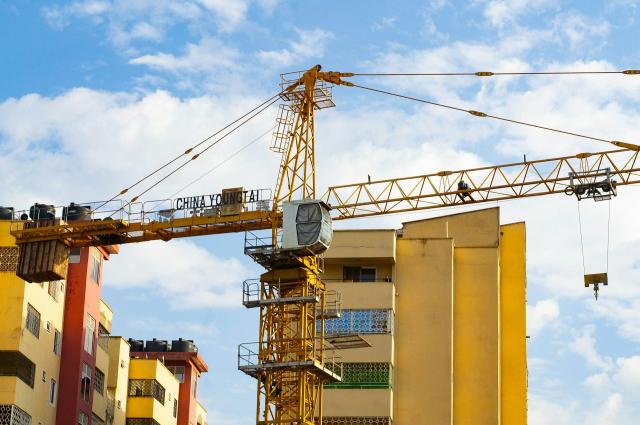
Adaptive reuse causes new housing to be created, and this activity fortifies local economies in a number of ways. Construction and renovation works also generate employment mostly by use of local labor and contractors. When a housing project is complete it infuses economic life in the area around, though grocery stores and cafes as well as service providers. These ripple effects do have the effect of not only empowering neighborhood economies but also producing tax revenues which can be invested back into the community infrastructure and community services.
What is more, repurposed housing has the ability to stabilize rental markets. Adaptive reuse could alleviate burdens in the housing-demand scenarios by increasing the numbers of units available in the affordable category and potentially reducing real-estate inflation. This economic equilibrium is beneficial to tenants as well as cities trying to build more fair housing markets. In urban areas where the demand of the commercial real estate market is going down, residential conversions help the city cores to avoid stagnation in the long-term by providing at least some economic activity.
The important thing to note, however, is that adaptive reuse projects demonstrate how housing policy can be even more tightly integrated into economic-development objectives. Cities can also use vacant buildings as vehicles of development and stability as opposed to providing a drain on resources and introducing a dragging of the city. By doing so, repurposed housing does not only represent a solution to the affordability crunch, but a jumpstart to larger economic resiliency.
Conclusion
The future of repurposing vacant housing solutions is at the crossroad of the possibility and need. Adaptive reuse helps solve several problems at once: housing issues, sustainability, and social inequities, as cities continue to find themselves facing increasingly exorbitant housing crises, sustainability problems, and social inequity. ), that is people can take under utilised spaces and convert them to affordable housing, allowing them to increase supply, minimize environmental impact, and regenerate neighbourhoods. But harnessing the potential will need to get rid of regulatory barriers, financial capacity and local resistance. It also requires a transformation in the social perception of housing not only as a commodity but as a social need.
Repurposing vacant buildings will not be all that is needed to resolve the housing crisis, but it can be a central component of a broader approach. Coupled with innovative policy, community and a sustainable design, it can be an effective measure to create affordable, livable and resilient cities. The architecture of our forgotten past might thus become the architecture of our future within the world, give shelter, dignity and a promise to generations.
Also read: Adaptive Reuse of Vacant Buildings: A Path to Affordable Housing



-3dkuLgKhRD.jpg)
-49HupTvwDD.jpg)


LEAVE A REPLY