

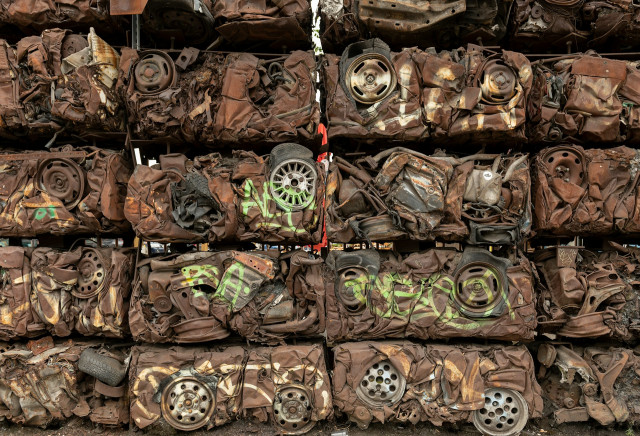
Recycled Materials In Low-Cost Construction: What’s Safe And What’s Hype
The need to provide affordable housing has never been as high as it is now due to increased population in the world and increased urbanization. Meanwhile, the construction sector faces the pressure of minimising its environmental impact, since it utilises huge amount of raw materials and produces heavy waste. The solution that seems to solve both of the issues is recycled materials that can reduce the expenses and increase the sustainability at the same time.
Some of these are reclaimed wood and recycled
steel, plastic bricks and industrial by-products, which are often touted as
groundbreaking solutions to the housing crunch and the destruction of the
environment. Nevertheless, the recycled materials are not necessarily as safe,
durable, or cost-effective, particularly when they are applied in the
construction process based on low costs where the margins are minimal and an
error could lead to severe outcomes.
This blog discusses what is in the truth behind recycled
materials in low cost building, where the truth is separated between best
practices and proven, safe and those claims which are exaggerated or unsafe. It
does not view recycled materials as one category, but looking at particular
types of material, their performance, health, regulatory issues, and their
long-term cost. It is not intended to reject innovation, but promote
evidence-based decision-making based on facts and not marketing slogans. By knowing
what is always safe and what should still be used with care, constructors,
planners as well as house residents will be able to make cheaper and more
responsible decisions.
Concrete And Aggregates That Are Recycled.
Recycled concrete is one of the most common recycled
products used in low cost construction, mainly due to the fact that concrete
waste is a large quantity and is heavy thus landfill disposal expenses are
high. The reuse of crushed concrete as a concrete aggregate can be performed in
the form of new concrete, road groundwork, and foundation layers. Safety and
performance relief there is a solid history of recycled concrete aggregates
when the material is well processed and tested. Various studies have revealed
that in the case of non-structural work, recycled aggregates have similar
behavior with virgin materials in terms of strength and durability and they are
cheaper.
The hype however commences when the recycled concrete is
marketed as an unqualified direct and all material substitution of all
structural concrete. Recycled aggregates may possess better water absorption
capacities and unstable quality basing on the source material. Otherwise, they
can be contaminated with such substances as gypsum, asphalt, or even the
dangerous remains of their previous applications. These problems can undermine
structural integrity in low-cost projects in which quality control can be a constraint.
Recycled concrete is therefore not used in affordable
housing in a haphazard manner. It is applicable in foundations, pavements,
walkways, and non-load bearing. In the case of structural elements, the option
that is more responsible is to replace partially and test rigorously. Recycled
concrete is not as good as it is being proclaimed that it can completely
replace concrete but it is good as it has been proven that it lowers the cost
of materials and its impact to the environment once it has been used wisely.
Reclaimed wood is of great appeal in a low-cost construction
because of its low cost, aesthetic nature, and environmental qualification.
Reclaimed timber can be reused as flooring, framing, furniture and finishes and
can be salvaged out of old buildings, pallets or industrial locations. When
obtained thoughtfully, it may be structurally sound and even better than a new
timber, particularly old-growth forests that were able to produce more dense
and stable wood.
It is however unsafe when the reclaimed wood is utilized
without treatment or inspection. Wood of older age might be lead-containing,
using chemical preservatives, or even have insect infestations. The low-cost of
projects may also lead to the health risk of the occupants and also shorten the
life of the building due to the temptation to test and process. These realities
are often glossed over by claims that reclaimed wood is automatically in some
way better than new wood.
The reclaimed timber when used in a safe way relies on the
presence of clear standards and responsible use. Structural applications must
be graded by qualified personnel and even the non-structural applications
should be cleaned and sealed to avoid dust and contamination. Reclaimed wood is
not hype when these steps are observed and it is a real viable option to cut
down expenses and environmental implication. It is only when its limitations
and preparation requirements are not taken into consideration that the hype
will develop.
Recycled Steel and Metal Components
The construction industry has achieved the most successful
recycling of steel which has a higher rate of recycling than most other
materials. Recycled steel does not lose its strength and durability in various
cyclic recycling processes and is therefore especially appealing in low-cost
construction projects that consider the longevity factor to be paramount.
Remodeled structural steel, roofing sheets and reinforcement bars are very
common and controlled.
On safety front, recycled steel is not only trustworthy but
in many cases, they could not be differentiated with steel produced using
virgin ore. Strict industrial standards assure the same quality, which is a
significant benefit of the affordable housing projects. The savings are in
terms of cost which is mainly through decreased usage of energy in the
production which may be translated into low market prices.
The recycled steel hype normally entails exaggerated cost
savings or claims that it may be the sole means of rendering construction
carbon neutral. Although recycled steel is a much less embodied energy
(compared to steel) it remains an industrial good with its own emissions.
However, steel is one of the safest and the least controversial materials of
the recycled materials. Its performance is not a secret and its application in
the construction of low cost is an evidence-based decision and not a hypothetical
movement.
Plastic Waste and Recycled Plastic Products.
Plastic bricks, plastic panels and composite lumber are some
of the innovations that have brought plastic recycled plastic into the
limelight. These products have been widely advertised as groundbreaking
products that transform waste into housing at a very low cost. Ideally, plastic
is attractive because of its longevity and ability to resist moisture in areas
characterized by heavy rainfall or humidity.
Practically, recycled plastic products are not always safe
and effective. There are some composites that are successful in non-structural
applications like decking or wall panels. Some others, especially low quality
plastic bricks, are subject to fire resistance, structural strength and
degradation. Poisonous fumes at fires, contact with micro plastics are also
valid concerns that are occasionally deemphasized in advertisements.
The safest method is careful adoption mitigated by testing and regulation. The recycled plastic can be effective when it is applied to certain, clear-cut purposes, but it is not a universal alternative to traditional materials. The only problem with the hype is its displaying of the plastic-based construction as a one-size-fits-all answer, which in the real world must be in the hands of a sophisticated engineering and monitoring process.

Industrial By-Products Slag and Fly Ash.
By-products of industries, e.g. fly ash of coal power plants
and blast furnace slag of steel production have been used extensively in
construction, especially in cement and concrete. The recycled materials are able to
enhance workability, minimize costs, and minimize carbon footprint of concrete
by minimizing cement contents.
In terms of safety, fly ash and slag are widely said to be
safe assuming that they comply with set standards. Decades of research and
practice have well supported their use in low-cost construction. But one may be
concerned about the fact that such materials are brought at the facilities that
are not controlled in terms of quality or are utilized in large quantities.
The propaganda around the industrial by-products tends to be
about how they help the environment without necessarily mentioning the fact
that they should be regulated and tested. When well utilized, they constitute a
resource and not waste product. The difference between standards based use that
is controlled and unregulated experimentation based on cost-cutting only is the
critical one.
Recycled Glass and Ceramic Materials
Glass and ceramics are recycled and are being utilized in more tiles, countertops, insulation, and ornamental concrete. Glass aggregates are able to provide aesthetic value and minimise the use of virgin sand which is becoming a scarce commodity in most areas. Recycled glass is a common suggestion in low-cost construction because the recycled material is practical and aesthetically pleasing to the eye.
Sharp edges, reactions of alkali-silica in concrete, and
variation of quality are some of the safety considerations. When handled in a
proper way, these risks can be overcome, but when handled poorly, they can
cause performance problems. Ceramics that have been recycled also experience
the same predicament especially where it comes to structures.
The practical worth of re-cycled glass is in non-structural
and ornamental application. It is overstated that it can be used to supplant
traditional aggregates in every situation. It will also help to maintain
sustainability without placing safety at a disadvantage, but it is not a wonder
material when used correctly.
Health, Safety, and Indoor Environmental Quality
The issue of recycled materials that affect the indoor environmental
quality is one of the least considered when considering low-cost construction.
Affordability is a critical factor but health of occupants must not be
compromised. Substances giving off volatile organic substances, which harbor
molds or have toxin residues may cause permanent health issues.
Recycled materials are not necessarily unsafe but they have
to undergo scrutiny. It should be properly tested, certified, and installed,
especially in high-density, low-income housing facilities where the residents
might have already experienced health complications. The hype arises when the
recycled materials are displayed as universally free without considering any
precautionary measures.
The idea of balancing cost savings, in addition to health
considerations, is not an option, but a core part of responsible building. The
recycled materials which are safe are the ones which have been standardized
similar to the conventional products and not those which are going to evade
regulation in the name of innovation.
Economics, Regulation, and Performance in the Long Run.
Recycled materials are economically attractive in terms of
initial savings although performance over a long-period is also significant.
Such materials that easily degrade or need regular maintenance may prove to be
more expensive in the long run. Regulation regimes are very important in making
sure that recycled products give real value and not temporary profits.
Recycled materials will tend to be safe and effective in
areas where the building codes and the certification systems are good. In an
environment with weak regulation, there is an elevated risk of the adoption
being hype-driven. Construction on low cost must focus on materials that are
proven to perform in the life cycle, although the first saving may be minimal.
Knowing the real price of recycled materials involves seeing
past what the marketing is saying to how long lasting, what is the maintenance
and the social impact. Some recycled material is evident when considered as a
whole and is reliable whereas others are experimental.
Community-Led Recycling and Local Material Innovations
The recycling efforts initiated by communities are also
affecting the low cost construction activities especially in areas with poor
formal garbage management structures. The local communities usually use waste
products like bricks, rubble, glass bottles, tires, scrap metal etc. to
manufacture constructible materials. Such grassroots strategies are often
lauded as empowering, inexpensive and eco-friendly and in most instances, these
are literally so. Local sourcing of materials saves on transportation expenses,
job opportunities are generated and local communities feel they own housing
projects.
In terms of safety, material reuse led by the community
could be effective based on the elementary engineering principles and external
technical assistance. Practices that are centuries old like the use of stone
rubble or reused bricks has proven to be safe when properly implemented. It
becomes problematic in case of the innovation being faster than technical
knowledge. Indicatively, load-bearing walls could be encouraged to use bottles
or tires experimentally without adequate structural testing. Such experiments
can be dangerous in low-cost construction where the professional control may
already be diminished.
Climate Resilience and Performance under Stress
The performance of recycled materials under environmental
pressure is a question that has been raised often but not given much attention
when using recycled materials to construct cheap products. The climate change
has escalated the severity of floods, heat wave, storms, and earthquakes
demanding more housing, particularly affordable house which is usually
constructed in sensitive areas. Resources that work satisfactorily at standard
temperatures can fail in case of extreme strain and resilience is thus an important
consideration in recycling materials.
Certain materials that have undergone recycling are
incredibly good in severe conditions. Recycled steel, example, retains its
structural functionality under high stress whereas fly ash concrete can be
offered with better resistance to chemical assault and heat. Recycled plastic
products are resistant to moisture but in case of fire, it is very poor. Wood
which has been reclaimed can be of a resistant nature when properly treated,
whereas untreated timber can easily putrefy in a damp or termite infested surrounding.
The propaganda is that recycled materials are the solution
to climate change and lack sufficient performance. Marketing tends to focus on
the environmental advantages, disregarding the stress testing and long-term
exposure tests. In low-cost construction, breakdown during extreme conditions
can have disastrous social implications, and in disproportionately impact the
populations which are already vulnerable.
Responsible attitude towards recycled materials should
further involve performance assessment based on climate. The choice of material
must not be restricted to the cost and sustainability, but also to endure the
local environmental hazards. Recycled materials that are selected with
resilience in consideration can also be used to play a positive role in safe,
long-lasting, and low-cost housing. In the event of ignoring of resilience,
sustainability assertions become very loose when tested in the context of reality.
Conclusion
The materials that are recycled have real potential in the
construction of low-cost materials, yet this potential is not of equal measure.
Other recycled materials which include recycled steel, concrete aggregate and
controlled industrial by-products have proven to be safe, durable and
economically viable. Other products, especially new or less controlled ones,
must be evaluated carefully and not taken on board just because of hype.
The main message is that, it is not done cheaply when it comes to sustainability and affordability. Recycled materials can be used safely and effectively through standardization, testing and wise decision-making. Under such circumstances, recycled resources are capable of becoming an important solution to housing issues and environmental problems. This does not lead to innovation, which makes them risky when ignored. Low-cost construction can be brought closer to responsible and resilient solutions by uniting evidence and enthusiasm.
Also Read: Bamboocrete and Circular Economy: Recycling Bamboo Waste in Construction

-5yCS4OoVBg.jpg)






LEAVE A REPLY