

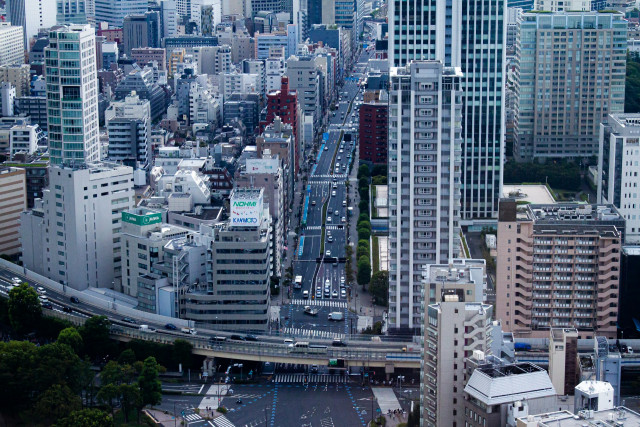
The Impact of Rapid Urbanization on Affordable Housing in Africa
Africa is experiencing some of the highest rates of urbanization in the globe. Millions of people are flocking into cities every year in Lagos and Nairobi, Johannesburg and Accra, in search of improved jobs, education and living standards. It is estimated by United Nations that over half of Africa will be urbanized by 2050, an increase of only 14 percent in 1950. Although this population change is an opportunity that has enabled innovation, economic growth, and modernization, it also comes with a terrible challenge of how to offer adequate and affordable housing to the ever-increasing urban populations.
The rising rates of urbanization without the development of housing and infrastructure cause severe imbalances within the cities. These imbalances are seen in Africa in form of sprawling informal settlements, poor public facilities, and placing added pressure on already stricter urbanization systems. Cities are getting bigger and the need to have affordable housing is soaring, and the supply is so low. The resultant scarcity compels the millions to reside in unsafe or congested facilities without the facility of clean water, hygiene, or electricity.
Rapid urbanization and its effect on affordable housing are more complex. It is influenced by economic, political and social forces, the relationship between the interaction of the private developers, governments and the financial institutions. Unplanned urbanization increases inequality, raises land and construction prices, and prevents low-income families to obtain formal housing. Additionally, due to the lack of external means and the ineffectiveness of control mechanisms, the African cities cannot apply the sustainable housing solutions on the scale necessary.
This blog discusses the issue of rapid urbanization and affordable housing in Africa. It discusses demographic pressures that are driving urbanization, the implications on housing markets, and economic and policy constraints that are restricting the provision of affordable housing and the innovative strategies that are being embraced on the continent. In the process of this exploration, we can learn more about the urgency of the need to redesign urbanization approaches that focus more on inclusivity, sustainability, and affordability of all Africans.
Urbanization in Africa Drivers (Demographic and Economic).
This is because demographic growth and economic transformation in Africa are major causes of urbanization. The continent possesses one of the youngest populations in the whole world with almost 60 percent being below 25 years. This young population forms a powerful workforce that is willing to move to the civilized areas where employment prospects seem promising. Lagos, Kinshasa, Cairo and other cities are growing at an unprecedented pace absorbing hundreds of thousands of people a year.
This trend is exacerbated by economic factors. With agriculture no longer being viable because of climate change and the low productivity of land, the rural masses are moving to the city in search of income security and improved livelihood. The industrialization, digital innovation and the service economy follow the same trend by being centralized in cities, further supporting the image that cities are the open doors to prosperity.
The rate of this urbanization however tends to exceed economic development. Job creation is not in line with the influx of the population and the end result is a high number of urban dwellers operating below full employment or being unemployed. Therefore, large groups of people are no longer able to afford formal housing. In major cities in Africa, formal homes usually cost ten to twenty times the yearly earnings of the poor households. This economic denial causes most people to be left in informal settlements where rent is cheap and the living conditions are dangerous.
Land speculation is also a result of urbanization. The price is growing at a very high rate as the demand to acquire land that is centrally located increases thus rendering even more difficult to develop affordable homes. Land prices in certain capitals of Africa are even competing with the cities of developed countries. In the absence of good land management policies, governments will find it hard to have land to develop as public/low-cost housing or a luxury development that will produce high profits are naturally left to the private developers.
Infrastructure is another significant determinant. The fast expanding urbanization of areas are experiencing tremendous congestion in their roads, waterways, power mains and garbage collection infrastructures. The lack of adequate infrastructure increases the prices of constructing new residential houses particularly in the outskirts. The developers must bear the cost of basic utility installations and this is transferred to the buyers or tenants - once more increasing the cost of housing.
Finally, urbanization in Africa is inevitable due to the demographic and economic impetus. The difficulty is not to stop the migration but to control it. Cities are in danger of becoming the centers of inequality, instead of centres of development, unless governments, private and communal investors come together to increase affordable housing and urbanization of amenities.
The Rising Housing shortage and its social effects.
Africa is estimated to have more than 50 million units housing shortage and the number is increasing. Nigeria alone needs over 20 million extra homes to service the demand already and Kenya, South Africa and Ethiopia also report shortages of millions of homes. This chronic understocking is the most obvious consequence of rapid urbanization on the continent and poor housing policies.
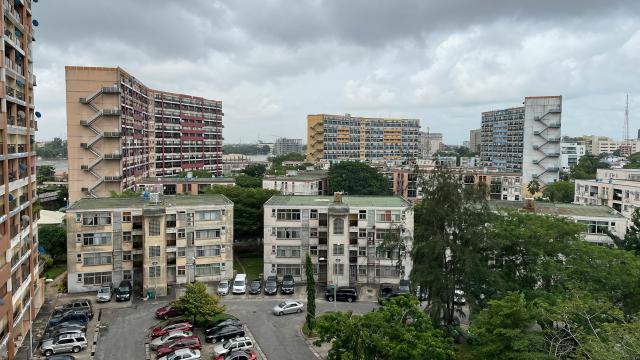
Such a deficit has far reaching implications. To begin with, it drives out millions of city dwellers into shanties, which are popularly called slums. These are in places that are usually found in the outskirts of cities or in those environmental risky areas, where there are no clean water, sanitation, or medical care. In Lagos, informal housing constitutes more than 60 per cent. of the population. In Nairobi, almost half of the total population inhabits settlements like Kibera where overcrowding takes place and infrastructure is inadequate posing a great threat to health and safety.
Secondly, the housing shortage increases social inequality. The rich and the poor are even further separated as formal housing is progressively becoming unaffordable. The upper and middle classes and the poor in the city move further in the gated communities and the poor are even more marginalized in terms of economic activities. This spatial segregation supports poverty cycles and hamper social mobility.
The other severe impact is the productivity effect. The high commute, deplorable living conditions, and unsteadiness make the labor force less efficient. Affordable housing is not just a social problem it is an economic one. Employees who have to travel long distances to the workplaces waste time and money on commuting which reduces their productivity and leads to congestion in the urban areas, and pollution as well.
Also, poor housing impacts on social health and education. Due to overcrowding and sanitation, diseases like cholera, tuberculosis and malaria spread. Lack of space, light, and security in unstable housing environments makes the children in such settings to be poor in their academic life. All these adversities undermine human capital, and human capital is the most crucial contributor to the long-term economic growth.
Increased crime and insecurity are also among the social implications. Lack of a sense of belonging to the fruits of urbanization caused in large portions of the population can be a cause of unrest. Although in most cases informal settlements are colorful and strong communities, they also turn into tensions hotspots when people have to be evicted or marginalized.
The increasing housing shortage is not only a technical problem, then, it is a moral and developmental crisis. Africa does not have a future of inequality, marginalization and unsustainable development without drastic measures that can transform its cities.
Financial Limitation and Increasing Building prices.
A major factor that makes affordable housing a far-fetched dream in the fast-growing African cities is the cost of construction. The cost of building materials and labor, as well as land, are now more expensive whereas financing is limited.
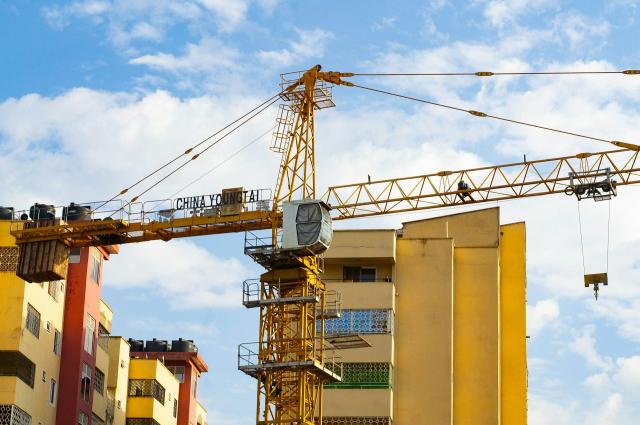
The prices of construction materials like cement, steel and glass have gone high because of inflation, reliance on imports and poor local production. Most African nations buy construction materials, thus exposing them to foreign exchange and international supply chain shocks. This dependency on imports increases the cost, particularly the large scale housing projects which must be consistent and of quality.
The shortage of labor and the lack of skills only make the problem worse. Even though the labor supply in Africa is young, there is lack of qualified technicians, engineers, and builders that can effectively development of projects. Industry requirements have not been served with training and vocational education, which causes delays in the industry and makes it ineffective, contributing to high costs.
Another significant challenge is financing. The development of housing involves large initial capital and mortgage in Africa is not well developed. Interest rates are still high and most of the low-income earners are not able to get loans as they do not have official jobs or collateral. The same is the case with developers who also have a challenge with financing as they cannot build units at large scale and at a reasonable price.
High costs are also contributed by the urban land policy. Unclear property rights, corruption, and bureaucracy make land acquisition challenging in most of the cities. It can take years before developers go through legal hurdles before they can break ground. These inefficiencies deter investment and price inflation to the final consumer.
Governments have tried to interfere with subsidies and government-business alliances, to no avail because of their modest budgets and unreliable execution. In addition, the developers bear the infrastructure expenses, e.g., roads, drainage, electricity, which further increases expenses.
The increase in the radius of the cities increases the construction costs as the new housing requires development of the utilities to even the parts that were not developed before. This sprawl adds to the cost of transport and environmental degradation and it forms a vicious cycle of unsustainable development.
Affordable housing will continue to remain out of the reach of millions of Africans without major reforms to lower the cost of materials, increase the access to financing, and simplify the land procedures.

Policy and Institutional Barriers
Affordable housing is usually compromised by policy and institutional inefficiencies regardless of the availability of resources. Housing policies in most countries in Africa are not coherent; there is duplication of responsibilities and inefficiency among ministries and agencies.
There are especially problematic land administration systems. Corruption, lack of transparency and old records make it hard to obtain and register land. This insecurity discourages investments and slows down projects. Also, in many aspects, urban planning policies are inflexible and do not support informal dwellings and emerging forms like cooperative socialization and incremental development.
History has shown that the public housing programs have been faced with corruption, mismanagement and limited funds. In other instances projects that are supposed to be targeted to the low-income beneficiaries end up being targeted to the middle-income groups either because of poor targeting or as a result of political factor.
Another significant limitation is institutional capacity. City authorities often do not have the technical staff or the funds to organize and oversee housing initiatives. Environmental standards and building codes are not strictly followed and as such, poor housing is thriving whilst other legitimate players are turned off by the bureaucracy of the bureaucracies.
The African governments should respond to these challenges by embracing more integrated housing policies that would bring them land use, finance, and infrastructure planning. The potential in the sector can be unlocked by transparency of land allocation, private developer incentives, and other models of financing alternative.
Housing Innovation and Opportunities in Affordable Housing.
Nevertheless, the innovations of the housing landscape are increasing in Africa despite the challenges associated with them. The gap on affordability is being closed by new technologies, materials and partnerships.
Premade and build-to-order construction techniques, such as, save money and time spent in construction. Other countries, such as Kenya and Rwanda, are also trying such technologies to execute thousands of units more effectively. The use of low-cost materials that are produced locally like stabilized soil blocks and bamboo can be used as alternatives to imported materials that are environmentally friendly and sustainable.
Housing finance is being digitized. Fintechs and mobile money enable the poor to save, borrow and afford their houses in a more convenient way. The community based savings groups and the cooperative housing schemes are also gaining momentum, whereby the residents can band together and construct together.
Collaboration between the government and the organizations are necessary. Governments are forwarding to collaborate with the private developers, NGOs and international donors to take advantage of funding and experience. In South Africa, the Social Housing Regulatory Authority (SHRA) and in Kenya, the Affordable Housing Program programs show how cooperation can bring about solutions that can be scaled down.
The practices of green building are also coming up as an opportunity. Energy efficient homes do not only minimize the environmental impact but also minimise the long run utility bills of the residents- homesteads become more affordable in the long run.
A Future of Sustainable Urbanization.
To resolve the affordable housing crisis in Africa as the country experiences blistering urbanization, there is need to be a comprehensive, long-term approach to city planning. This implies the incorporation of housing policy and transportation, creation of jobs as well as environmental management.
Reduced commuting time and increased quality of life can be achieved with compact city designs in which housing has been constructed closely to jobs and transportation. Mixed-income developments promote integration and avoid segregation. Enhancement of informal settlements should also be the priority of governments rather than demolishing them, and they should also provide they provide infrastructure and tenure security to improve the living conditions.
Local participation is also necessary in terms of sustainability. The communities should be considered whenever planning to make housing projects to suit their needs and be affordable. This will be achieved by empowering the local governments through financial autonomy and technical capacity in order to enhance the effectiveness in implementation.
Lastly, it is important in terms of regional cooperation. The issues of urbanization in Africa are interrelated, and the practices can be shared on a broader level, making the process faster. Other organizations like the African Union and African Development Bank play significant roles in facilitating sustainable housing structures on the continent.
Conclusion
Africa is changing rapidly through urbanization that has never been witnessed in history. Although it creates enormous prospects of innovation and economic prosperity, it also reveals the vulnerability of the continent to inequality and housing shortages. The high rate of urbanization has been surpassing the ability of governments and markets to own affordable and adequate houses.
The results are evident through the informal settlements that have become the hallmark of most African cities, a representation of their ability to survive and their lack of care. But in this difficulty there will be an opportunity: to redefine the way Africa develops its cities. Urbanization can be utilized to cause fair developments in the continent through superior policies, smarter finance, creative constructions, and comprehensive planning.
Affordable housing is not only shelter but it is dignity, stability and opportunity. The ability to provide all Africans with a safe and affordable home should also be at the core of the African vision of sustainable urbanization.
Also Read: Pakistan Urbanization in Lahore











LEAVE A REPLY