

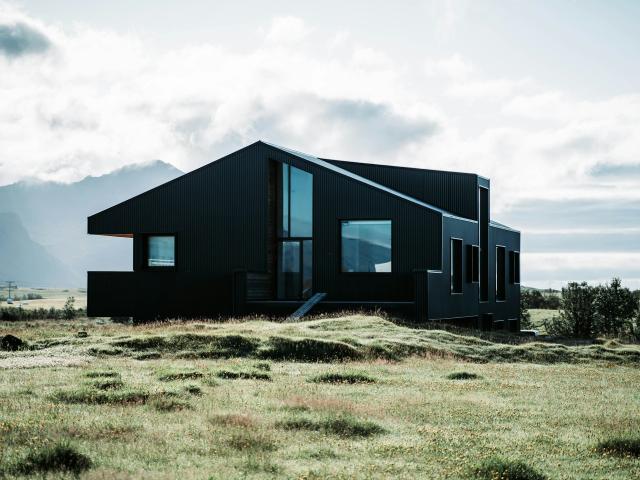
Prefabricated Homes: Low-Cost, Fast-Build Housing
Around the world, the race to find housing that is both affordable and delivered on time is becoming more urgent every day. Populations continue to swell, cities draw in more residents by the hour, and old-school building techniques simply cannot keep up. Prefab houses-short for prefabricated dwellings-have stepped into this gap, promising speed, cost savings, quality, and ease in a single package.
Once dismissed as dull cookie-cutters, todays prefab builds now showcase bold architecture and custom finishes that can easily match or outshine site-built homes. The process works like this: components or full modules are created inside a factory, trucked to the final lot, and quickly joined together. Doing it that way cuts waste, trims labor costs, sidesteps storms and strikes, and gives builders tighter control over every weld and joint.
Yet efficiency is only the start; the same system can house people facing homelessness, close regional supply gaps, and even shelter crews after storms in a matter of months instead of years. In the sections that follow, we look at that promise through five lenses-speed and cost, design, climate impact, policy and funding, and equity-to show how modern prefab is quietly steering tomorrows housing landscape.
Speed and Affordability That Redefine the Market
The clearest benefit of off-site-built houses is how quickly they can reach the buyer. A conventional stick-built home spends months juggling site prep, rain delays, labor calendars and shaky supply chains. By contrast, prefab units roll off the assembly line inside a climate-controlled factory. While crews pour footings outside, workers inside craft walls, roofs and panels at the same time. When the sections finally arrive on trucks, a crane puts them together in only days or weeks. That tight schedule shrinks labor bills, reduces on-site overhead, and cuts the time the builder pays interest.
It also lessens the builder’s risk of sudden price jumps in lumber, concrete or skilled labor. Factory orders lock in costs before the job starts, protecting both home buyers and developers from wild market swings. Such price certainty is vital for nonprofits and municipalities that stretch every dollar for affordable housing. Even hauling the pieces across town and renting a crane costs far less than the delays avoided. As a result, many prefabs come in 10 to 30 percent cheaper per square foot than comparable site-built homes. And that savings holds true whether the project is a single cottage or a mid-sized community, in any region.
Prefab housing is drawing fresh interest from city halls, nonprofits, and disaster-relief groups alike. In urgent situations-such as shelter after a hurricane or in homeless-support efforts-modular units can stand on-site weeks after a call for help, instead of years. Where rents soar and vacancies vanish, the same factory-built approach raises supply quickly while still meeting building codes and quality standards. Because modules arrive ready to stack or plug into mixed-use or infill plans, they fit on vacant lots, attic levels, backyard spaces, even unused rooftops, easing density and affordability worries. Collectively, these speed and cost gains hint at a larger industry pivot, moving construction away from drawn-out, expensive methods toward swift, open, and budget-conscious home building for all.
Design Innovation and Customization in Prefab Housing
Recent evidence shows that modern prefab houses now rival site-built homes in both creative variety and architectural polish, overturning yesterday's stereotypes. Modular methods let builders stack, link, and shift units so they fit any plot, orientation, or style mood a client prefers. Designers market everything from bare-bones studio cubes to roomy multi-bedroom layouts topped with vaulted ceilings, smart storage, and luxury finishes. Because work happens indoors, factory conditions allow for exact measurements and very clean assembly. Wood frames and drywall remain dry and unwarped, even in fickle weather. The result is tighter joints, less waste, and stronger seals that improve insulation, sound control, and indoor air quality.
Personalization can take two paths: fixed modules and later add-ons. At the start, owners pick cabinet styles, window layouts, surface materials, and even headline floor plans. When needs change, families simply bolt on extra rooms. This growth model suits everyone from solo professionals to first-home buyers to expanding households. Because most prefab companies team up with architects, packages stay cohesive and code-compliant for local rules and climate quirks. Rooftops pre-wired for solar, as well as built-in passive heating and cooling, slip into these factory-made shells without extra headaches.
Prefab innovations open doors for responsive, adaptable, and future-ready living. Modules can be temporarily sited on farmland, parking lots, or homeless encampments and relocated as needs shift. Energy-saving gear-heating-wire, solar- ready circuits, and LED fixtures-comes factory-installed. Smart-home options can be pre-wired long before the first corner is set. Such foresight makes good housing cheaper without cutting corners or character. Prefab is shaking off its low-end tag and proving that economy and elegance can go together.
Sustainability and Environmental Impacts of Prefab Homes
Because less material ends up in the dumpster, and a factory can reuse scraps on the spot, prefab homes are often greener than stick-built houses. Waste that piles up at a typical construction site rarely collects at the plant; instead, offcuts and surplus are shredded or sent for salvage right away. As a result, precise manufacturing trims onsite waste by fifty percent or more. Panelized walls, careful insulation runs, and tight thermal breaks formed in controlled conditions keep energy bills low long after delivery.
Energy efficiency goes well beyond the factory floor and into everyday house operation. Numerous modern prefabs already comply with or outstrip targets set by Passive House, Net Zero Ready, or LEED. Tight air seals, coupled with insulation installed under factory supervision, slash the demand for heating and cooling. In turn, monthly energy bills and lifetime carbon footprints both drop. When paired with rooftop solar or on-site batteries, these homes can operate independently, a quality that builders and urban planners now eagerly market.
Transportation emissions-often portrayed as a serious downside-are kept in check with careful logistics planning. Factories can be sited close to rail lines, ports, or major highways, cutting the distance to key routes. Modules are loaded into standardized, stackable units and moved in bulk, so few truck trips are wasted. Increasingly, permitting offices reward this model with faster approvals and rebates for waste diversion.
The sustainability gains noted at the single-house level ripple outward, benefiting entire neighborhoods. Prefabricated building systems mesh well with circular-economy goals, since parts can be unscrewed, reconfigured, or recycled when a structure is retired. Whole clusters can be picked up and moved to meet new job demands or post-disaster shelter needs. Such mobility addresses climate-linked migration, labor shifts, and changing land use without sacrificing quality. By delivering lean, durable homes with minimal waste, the prefab sector helps build fairer, more resilient communities.

Policy Support and Financing Structures for Prefab Adoption
To make prefabricated housing a regular choice, public policy and fresh financing ideas must step up together. So far, zoning rules, building codes, and lender appraisals have tended to back site-built homes, leaving prefab at a price disadvantage. Lately, many towns and cities have begun amending codes to treat modular parts as standard work, not temporary sheds. At the same time, definitions based on manufactured homes are being replaced by factory-built housing rules that keep safety high and bias low.
To ease financing, public agencies and private lenders now offer clear carrots for modular projects. Tax credits, cash subsidies, and site-serve grants cut the heavy upfront bill. Lower bureaucratic hurdles-fast-track permits, ready-made approval packets, and online plan reviews-also slash the time and money builders spend waiting. In addition, some municipalities allow factory-built units to count toward inclusionary or affordable housing quotas, letting developers check social boxes with prefab options.
On the money side, many prefab firms now provide all-in mortgages or lease-to-own paths. Cautious lenders are teaming up with these builders by accepting product warranties and resale rules that lower their exposure. Some public banks even offer long-term, low-rate loans designed just for factory-built houses. Meanwhile, private impact investors treat prefab startups like social projects, supplying what amounts to subsidy-capital in return for equity and measurable good.
Nonprofit developers and community land trusts are now teaming up with off-site builders to deliver deeply affordable homes at real scale. By ordering kits in bulk, stacking public funds on top, and leasing land from cities, they have created repeatable models in dozens of neighborhoods. When policy reforms join financing tools, factory-built housing shifts from a gimmick to a reliable strategy that-city leaders now embrace when speed and fairness matter.
Social Impact: Equitable Access and Community Integration
Beyond cost and speed, these on-site homes open a socially transformative door. Conventional affordable housing often deposits residents in remote trailer courts or isolated projects that reinforce stigma. Well-sited prefab units, in contrast, slot into normal blocks and offer front yards, porches, and visible ties to sidewalks, affirming the dignity of every household. That presence fights bias and helps newcomers feel at home. When framed as social housing, the product can shelter families fleeing unstable situations, deliver workforce quarters near major employers, and house older neighbors wishing to downsize without severing local ties.
Because prefabricated units can be made quickly and shipped neatly, they arrive exactly where need is greatest. Local governments can place these micro-projects beside trains, jobs, clinics and schools, easing commutes and cutting displacement risk. Neighborhood groups may then team up with builders to set aside flats for seniors, veterans and low-wage workers. Since most labor remains in the factory, the model also opens vocational paths in assembly, machining and other skills-and that is vital in areas that lack manufacturing jobs.
Perhaps most important, factory production trims both purchase price and monthly bills, helping narrow long-standing affordability gaps. The savings at closing do not vanish; they stay with future owners and renters. Paired with robust quality controls, lengthy warranties and modest energy use, these homes ease the monthly pinch. Over years, the room such incomes gain lets families spend on education, health and rising prospects rather than on endlessly high rent.
Unlocking Urban Infill with Compact Prefabrication
Worldwide, cities grapple with a strange mismatch: people keep searching for affordable homes while vast pockets of unused land sit, idle and lonely. Vacant lots, alley strips, garden nooks and aging parking pads stay dormant because standard building processes are confusing, slow, and expensive. Prefabricated housing steps in as a game-changer, allowing planners to breathe new life into these awkward parcels and turn infill from a dream into a budget-friendly reality. By turning compact modular units in a factory, then hoisting or sliding them on-site, prefab skids past many roadblocks that plague everyday construction.
Factory precision also streamlines permits and cuts the usual uproar of hammers, dust, and weeks of street blockades. In minutes rather than months, crews fasten the pre-cut modules, leaving neighbors little to complain about. Because land prices soar and labor bills climb even higher, cities can treat these speedy builds as backyard Accessory Dwelling Units, stylish duplex fills, or small worker villages for seniors and low-income families.
Prefabricated construction quietly enables smart density, placing more homes inside current grids while protecting neighborhood character. Unlike high-rise projects that demand large sites, deep capital, and lengthy reviews, factory-built units slide into narrow zoning yawns. With enabling policies in place, cities can launch prefab infill schemes that lower homelessness, broaden the housing menu, and breathe life into overlooked parcels.
Modular infill proves especially useful in legacy cities marred by empty lots and in fast-growing regions starved for units. It blends quick, low-site-impact delivery with the chance to fortify social ties and spatial fairness. Rather than pushing outward into new suburbs, prefab infill bolsters mature districts with homes that are affordable, green, and already linked to transit, jobs, and schools.
Rapid Disaster Recovery Through Modular Response Housing
Natural hazards-wildfires, floods, earthquakes, hurricanes-displace ever-growing numbers of people. After such blows, the demand for swift, dignified shelter is immediate and compelling. Factory-built response units rise faster, cost less, and show a level of humane design that eclipses tents or typical emergency stock, making them a robust option for rapid disaster recovery.
Manufacturers can build prefabricated housing units ahead of any disaster, store them in a nearby lot, and deploy them at short notice. Once rubble is removed and water, power, or sewer lines are resumed, crews can fit the parts together in a few days, sheltering families, medical staff, or rescuers. Unlike travel trailers or canvas tents, these modular homes come with full bathrooms, kitchens, and real insulation, so occupants regain dignity, security, and a taste of normal life. Built to last, many units outlive emergency timelines and can remain as permanent residences, sparing survivors years of relocatable housing.
For that reason, governments and humanitarian agencies now weave prefab housing into their preparedness plans. Across wildfire-ravaged California, flood-hit Pakistan, or hurricane-battered Puerto Rico, large fleets of factory-built homes have already stood up on damaged land. Because the blueprints are scalable and the production repeatable, entire blocks can rise with uniform, code-approved models that resist mold, rot, and extreme heat. Engineers can further tune each design to local hazard profiles-elevated skids for tides, metal roofs for embers, or hurricane straps for gales-and the factory assembles those upgrades without delay.
Financially, using prefabricated housing cuts the public’s cost of recovery. Because site assembly takes so much less time, towns pay far less for emergency shelter, daily security, and follow-on insurance claims. Moreover, many manufacturers now provide straightforward rental or lease-to-own plans, easing the desperate step from short-term assistance to lasting homeownership for households that lost everything. That small-margin security converts what was once emergency aid into a long-range investment in community resilience.
Deploying factory-built dwellings after a disaster is therefore not only a convenient stopgap; it also signals a different ethic about aid. It reminds survivors that safety, privacy, and predictable shelter need not be reserved for future budgets or privileged neighbors. When logistics, training, and local partnerships guide delivery, these homes furnish a stable platform from which families and towns can repair, remember, and rise stronger than before.
Conclusion
The cheap home comes to a new vision of affordable housing combining fast, efficient, good quality, and environmental friendliness. Shifting a lot of the production into air-conditioned factories allows builders to quickly construct units in a budget figure, avoiding both fluctuating prices of materials and scanty labor. New, contemporary interiors are breaking the circle of the aged prejudice with offers of personalized, interesting-architecture design of an interior fulfilling the diverse requirements of the contemporary household. Due to less it would waste, less it would emit and to the fact that most systems have a chance of upgrading in later times, prefab is more of greener choice.
However, such gains will be put on hold without supportive policies being written by governments and the formulation of financing by lenders that is beyond the traditional approach. With revised zoning regulations, available pre-fab home or nonprofit-funded mortgages and lobbying, it is possible that factory prepared homes can turn into lasting devices of ecumenical, sturdy as well as humane residential areas.
Based on the adoption of the systems by owners, communities and the public leaders, homes can be delivered to such distressed markets with a speed that reflects the crisis at hand. Prefab can simply not redraw all the construction rules, however, it possesses the strength to redefine our shared housing, past. The method is a game-changer, a lifeline, a tool of sustainability, and an instrument of real-deal affordability to people, families, and entire cities.



-3dkuLgKhRD.jpg)
-49HupTvwDD.jpg)








LEAVE A REPLY