

Affordable Housing and Heat Waves: Passive Cooling Design for Pakistan’s Climate
Pakistan, a land of diverse climate, including desert areas and humid coastal lands, is experiencing severe heat wave because of climate change. The increase in temperatures especially in cities has rendered the living conditions intolerable to large parts of the population, especially those in low-income or affordable housing.
 It is a twofold problem: developing housing that is affordable and at the same time, can ensure thermal comfort without the intensive use of cooling systems that consume a lot of energy.
An available solution is passive cooling strategies, which involve building
design, orientation, materials, and natural ventilation. These measures
would help to greatly lower the indoor temperatures and help to cut down on the
use of electricity, thus making homes both livable and ecologically friendly.
The affordable housing industry in Pakistan is vital in dealing with the high pace of urbanization. There is a population surge in cities such as Karachi, Lahore, and Islamabad that is driving the need to have homes that not only are affordable but also can withstand the increasing temperatures.
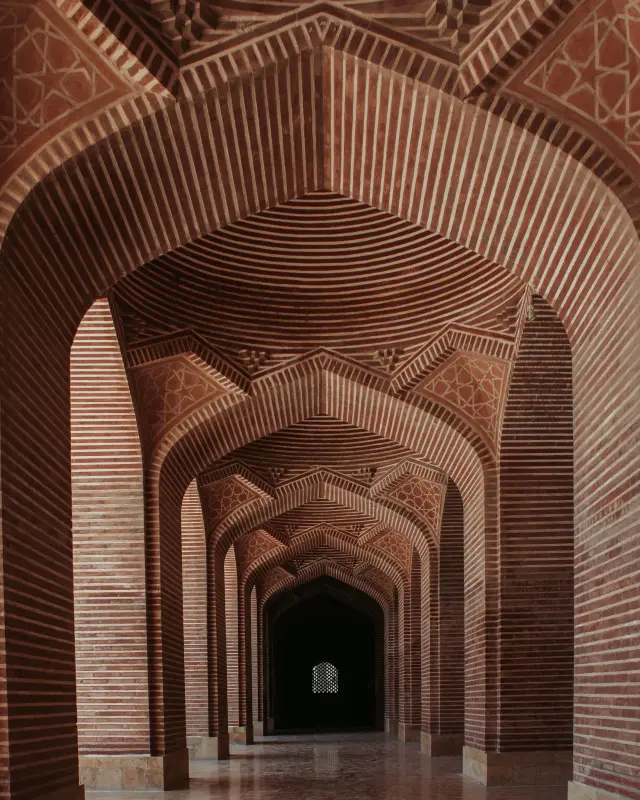
The traditional architecture of the country gives a good idea of passive cooling: thick walls, high ceilings, shaded courtyards, and natural ventilation allow keeping the interior cooler even during very hot temperatures.
The combination of such ancient methods and modern design concepts will allow
the developers to produce housing that will satisfy modern requirements,
but at the same time, minimize the effect of the heat waves on the vulnerable
population.
The blog discusses the ways of passive cooling to change affordable housing in Pakistan and provides six strategies: building orientation, material choice, natural ventilation, shading devices, green spaces, and roof design.
All of these aspects cover particular climatic issues
and help to decrease the heat gain in the house. Pakistan can also shift
towards a model of housing where thermal comfort, affordability, and
sustainability are the priorities by taking these strategies. This methodology
is not only healthy and considerate of the residents but also lessens energy
needs, limits environmental impact, and complies with global objectives of
climate-resilient metropolitan development.
Construction Introduction: Harnessing the Sun and Wind.
It has to be properly oriented towards the buildings in passive cooling design. In places in Pakistan such as Pakistani summer where the temperatures may reach over 45C in certain areas, the positioning of a building with the sun and the winds going through it may dramatically affect how comfortable the indoor environment is.
Structures with a plan designed to minimize direct exposure of the building to the sun on both walls and windows are less likely to gain heat and therefore the temperatures in the building are lower, but not forced by a mechanical cooling system.
Preferably, longer walls
are supposed to be placed facing north-south whereas shorter walls face
east-west with minimal exposure to high-intensity morning and afternoon sun.
The location of windows must be designed in a manner that enhances maximum
cross-ventilation and avoids unwanted sun rays.
The wind patterns are significant in passive cooling. Such coastal cities as Karachi take advantage of sea breezes, which may be exploited with strategically located openings. In the interior regions, the weather patterns of the winds should be examined in order to maximize the airflow in the houses to eliminate the hot air and retain the warm atmosphere inside the houses.
Courtyards, atriums and open verandahs may be useful to promote natural
ventilation and this produces a chimney effect that pulls the hot air up and
out of living rooms. This method has historically been applied to the
architecture of Pakistan especially in places of desert like climate such as
Sindh and Punjab where high amount of courtyards helps make the interiors very
cool.
Other than comfort, building orientation affects energy efficiency. Well-adjusted buildings do not need that much use of the fans and air conditioners, which save on electricity usage and operation expenses.
This is essential in terms of affordable housing since residents find it hard to make ends meet due to the high power bills. The potential of introducing solar panels or any other renewable energy solution also depends on orientation to increase sustainability.
Finally, orienting is more than an aesthetic factor-
it is a critical passive cooling approach which takes advantage of the natural
resources, lessens the amount of energy consumed, and the affordability of the
housing in the extreme climate in Pakistan.
Choice of Material: Thermal Mass and Reflectivity.
Construction materials also play a great role in determining indoor temperature. In Pakistan, the use of thermal mass was traditionally used in the form of clay bricks, stone and lime plaster due to their natural thermal mass.
Thermal mass is the capacity to receive, store and give up heat to the
material in a slow manner. Daytime heating in thick walls composed of clay
bricks or stone can store the heat and thus discharge it in the cooler nights,
balancing out the indoor temperatures. To achieve low-cost housing, they are
cost effective, locally sourced and environmentally friendly.
Through the use of modern options, e.g., concrete blocks or lightweight bricks, it is possible to adjust them to enhanced thermal performance. Solar radiation can be reflected by light color finishes; thus, lowering the amount of heat collected by the wall, and insulated panels, or composite materials may be used to improve the performance of walls.
Reflective
paints or cool-roof paints are an advantage to roofs, and they can greatly
reduce the temperature of the surface of the roof, since much of the solar
energy is reflected by the roof. Likewise, ventilated facades or with doubled
walls, an air gap can be created to minimize the amount of heat transferred
into residential areas.
The choice of materials goes to windows and shading devices.
Low solar heat gain coefficient glasses or reflective surfaces can minimize the
heat penetration of interiors. Metal or wood shutters are used to enhance the
insulation as well as giving residents some control of the daylight and
airflow. Mud or earthen plaster may also be a cheap and practical alternative
in hot and dry areas, which provides insulation as well as a natural cooling
effect by evaporation.
The economic factor of the material choice is impossible to overestimate. The developers of affordable housing in Pakistan usually focus on the initial construction costs ignoring long term saving of energy.
The
residents will be able to enjoy reduced electricity bills and healthier living
environments by selecting materials that offer a combination of thermal
efficiency and cost-efficiency. Simply put, the material selection is an
effective and strategic move, which will make homes comfortable, sustainable,
and resistant to heat waves.
Natural Ventilation: Maximizing Airflow
Among the best passive cooling methods for affordable housing in Pakistan is natural ventilation. Air movement can be improved by strategically placing openings, windows, and internal layouts to sweep heat away and improve indoor air quality.
There is
cross-ventilation whereby air flows in and out of the building through one side
and the other side, respectively, is very effective in lessening indoor
temperatures. This theory comes in especially handy in small city lots, where
the air circulation can be limited due to the presence of other buildings.
The ventilation policies should consider seasonal changes. During summer, the large openings in buildings can harness the existing winds, and in winter, adjustable openings are able to lessen drafts and keep buildings warm.
Other passive cooling features can also be incorporated with ventilation, including courtyards, atriums, or wind catchers, which direct air in the building. These designs were common in traditional Pakistani houses, which shows that modern cheap housing may use the same strategy without raising the price considerably.
Besides comfort, ventilation saves the use of energy-consuming appliances. In most climates, a combination of ceiling fans with natural airflow would be adequate to provide cooling.
Another
cost-effective approach is stack ventilation, in which rising and escaping warm
air escapes via roof vents and cooler air flows into the location at lower
altitudes. Architectural ventilation also enhances the indoor air quality of a
building, which is essential during heat waves, as stagnant air can increase
the occurrence of health hazards, particularly among the most susceptible
communities.
Natural ventilation necessitates planning of affordable housing as it is required in the design stage. The density of the urban as well as the plot size and the structures around it should be thought out in such a way that the airflow is not hindered.
Such easy steps as window alignment,
vents, and semi-open corridors can greatly help. Finally, natural ventilation
is a time-saving solution that is environmentally friendly and is not expensive
to maintain the comfort of homes on the occasion of the ever-increasing heat
wave in Pakistan.
Shading Devices: Controlling Solar Gain
Passive cooling design largely depends on shading. Indoor
temperatures can be greatly reduced by lowering the direct light that reaches
the walls, windows, and roofs. Shading devices, like overhangs, pergolas,
louvers, and verandas, are quite effective and relatively inexpensive in
Pakistan, where most of the year the sun is blazing. Well-planned shading will
prevent the high angle of the summer sun and keep the low angle of the winter sun
penetrating, which will produce a form of seasonal comfort.
Solar heat gain is especially an issue with windows; hence, external shading components are better than internal ones. Awnings, deep-set windows, or vertical fins can work to minimize heat even though natural light is also allowed in.
In high-rise affordable housing, the lower floors can have
shade given by balconies or the projecting slabs, creating a layered cooling
effect. Likewise, vegetation may serve as a natural cooling effect. Plants such
as trees, shrubs, and climbers that are planted around the buildings lower
heating, evaporative cooling, and increase the aesthetic value of residential
premises.
There is also shading applied to common and open areas. Shade is also favorable in courtyards, walkways, and common grounds, which promote outdoor exercise even during hot days.
These methods not only increase
comfort, but also save on energy by lowering the cooling requirement on the
interiors. Shading devices can be easily customized to meet the seasonal
requirements of residents, and it makes them an effective tool for providing
affordable housing.
To conclude, shading is a cheap but effective way of
minimizing the inner heat gain. By blending architectural structures with
plants, developers will be able to develop residential areas that are
comfortable all year round, reduce the impact of heat waves, and give people
healthier and more livable environments.
Green Areas: Evapotranspiration and Microclimate
Green areas are important in passive cooling by reducing the ambient temperatures via evapotranspiration. Plants take in sunlight and release moisture, which gives a natural cooling effect in the surrounding area.
The
application of green roofs, gardens, and vegetated courtyards in the case of
affordable housing projects in the city centers of Pakistan can greatly help in
minimizing the stress caused by heat. Even small areas of green land can
enhance the quality of air and reduce the heat island effect in the city, which
is highly visible in crowded cities.
Rooftop gardens are particularly useful. They offer insulation, minimize the heat that the roof absorbs, and also help in passive cooling. Vertical gardens or planter boxes on balconies can do the same in areas where the amount of land is scarce.
Community green space not only
enhances thermal comfort, but also social interaction and good life of the
residents. The trees that are planted in strategic positions on the streets or
other places around buildings give shade, minimize reflected heat, and form a cooler microclimate.
Green spaces also contribute to the management of stormwater, thus minimizing flood dangers during the monsoon seasons. The permeable surfaces and plants do not allow water to be carried away, but instead it helps in retaining heat on the paved surfaces.
The incorporation of water elements,
like miniature fountains or ponds, can also help improve cooling with the help
of evaporation. This strategy is in line with the sustainable development
objectives, which put more emphasis on climate resilience and environmental
stewardship.
In affordable housing, the issue is whether to balance cost and green interventions. Native/ drought resistant plants are economical, offer low maintenance, and grow in the extreme climate of Pakistan.
The developers can ensure housing is greener, healthier, and more sustainable,
which is a direct response to the issue of heat waves by prioritizing green
infrastructure with more traditional elements of design.
Design of Roofs: Insulation and Ventilation.
The roof is the most exposed area of any building, which takes on excessive solar radiation and is a significant contributor to indoor heat. The design of the roof is thus essential in passive cooling of affordable housing in Pakistan.
Conventional roofs like thick slabs of concrete
or vaulted roofs provide thermal storage that regulates the generation of heat.
Adaptation of modern houses has incorporated roofing materials that are
insulated, reflexing surfaces, and ventilated roof constructions which do not
allow heat to penetrate residential areas.
The flat roofs may be designed with either light colored paints or reflective membranes in order to reduce the heat. Protective walls and windows against direct sunlight are provided by sloping roofs that have overhangs and eaves.
Hot air escape: Ventilated roofs, where there are air
gaps that facilitate the conduction of heat outside to the interiors, minimize the
conduction of heat. As stated above, green roofs present a combination of
insulation and evaporative cooling, which has several advantages in terms of
thermal comfort and energy saving.
The roof design must also be able to utilize the rainwater to be collected, solar panels, and other features that are sustainable. Multi-purpose roofs maximize the space in affordable housing and improve the performance of the housing on environmental grounds.
The right insulation will
minimize the use of fans and air conditioners, which will lead to lowered
operational and energy costs. Even such basic changes as adding a
ventilated false ceiling can result in a tangible difference in indoor temperatures.
The benefits of careful roof design in terms of economics
and environmental effect are evident. People live in cooler houses and pay less
in utility bills and developers have developed houses that withstand heat waves
and are environmentally friendly. The design of the roof, as a part of other
passive cooling techniques, is a foundation of resilient and sustainable
affordable housing in Pakistan.
Conclusion
Heat waves in Pakistan are a very difficult issue,
especially for low-income groups residing in cheap houses. The Passive
cooling design provides a viable, affordable, and ecological approach to such an
issue. The homes can be comfortable even in extreme temperatures by optimizing
the building orientation, using the right type of materials, maximizing on
natural ventilations, and use of shading materials, green space integration,
and development of thermally efficient roofs.
The strategies are based on traditional architectural and modern design concepts, which prove that affordable housing can be provided without impacting thermal comfort. Passive cooling would result in less energy usage, lower utility expenses, reduce the urban heat island effect, and improve the health and well-being of residents.
These techniques will be important as the climate continues to change and will help ensure that the housing infrastructure in Pakistan is resilient, sustainable, and able to safeguard the most vulnerable population. By designing and building affordable housing in sensitive ways, being innovative, and taking into account the local climatic realities, affordable housing can become an example of sustainable living in the heat-stressed areas.
Also read: Climate-Resilient Affordable Housing in Pakistan: Designing for Floods, Heat & Monsoon



-3dkuLgKhRD.jpg)
-49HupTvwDD.jpg)






LEAVE A REPLY