

Micro-Housing in Africa: How Small, Affordable Units Are Tackling the Housing Crisis
The housing crisis has hit a critical crossroad in Africa. Rapid population growth, rapid urbanization and sluggish wage increases have left a huge demand of affordable housing to low and middle-income earners in a massive shortage. According to the estimates made by the United Nations, more than 230 million Africans today are residing either in slums or the informal settlements, which the UN estimates are likely to rise to about 230 million in the year 2050 unless there is a major intervention in the process.
The large scale housing developments in the past, although effective in some regions, have been too costly and too slow to keep pace with the demand. This has brought about a new, innovative practice, which is micro-housing.
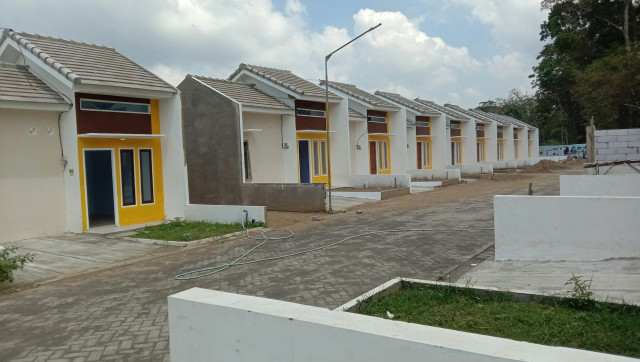
Micro-housing can be understood as small but affordable living environments that aim at offering simple living facilities at a very low price compared to houses. These units are usually between 15 and 35 square meters in size and they are oriented towards functionality, affordability and sustainability. The idea, which is catching on in cities such as New York, Tokyo and London, is gradually being replicated in African cities such as Nairobi, Lagos, Johannesburg and Addis Ababa, where the only traditional housing solutions are proving costly to many due to inadequate supply of land.
Micro-housing is not only a spatial innovation, but also a change of approach to the way urban housing issues are being formulated and tackled. It is consistent with the trends of sustainable living, minimalism, and optimal urban density in the world. Using pre-fabricated materials, building in modular forms, and innovative ways of financing, micro-housing projects are enabling urban dwellers (particularly youth, informal workers, and small families) live within closer proximity to workplaces and all-important facilities.
Nevertheless, there are some challenges facing the micro-housing movement in Africa. Regulatory obstacles, funding pressure, cultural adoption, and infrastructure access are some of the issues that remain a part of its development. Nevertheless, regardless of these challenges, micro-housing can be a new way to a more legitimate and resilient urban future. This blog discusses why micro-housing is important in solving the housing crisis in Africa with reference to its development, financing schemes, environmental value, and transformative nature in the continent.
Knowing Africa Urban Housing Crisis.
The urban housing challenge has a structural, economic and demographic basis that has been aggravated over the years in Africa. The population of cities is increasing at an unprecedented rate - such cities as Lagos, Nairobi, and Dar es Salaem are gaining hundreds of thousands of people every year. Most of this influx is made up of the youths who are in search of economic opportunities. Nevertheless majority of the new urban inhabitants are found in the informal settlements because of inability to afford the housing facilities. This translates into congested communities, poor infrastructure and unhygienic living conditions that continue to keep people in poverty.
The difference between the demand and supply of houses is enormous. The continent has a minimum of 56 million new housing units to be created and 90 percent of these units have to be affordable to the low income families as per Shelter Afrique and the African Development Bank. However, many formal developers usually focus on the relatively higher income markets because of the profitability rates and thus most city residents are priced out of the market. Large-scale, affordable developments are hard to finance or maintain as high land prices, high cost of building materials, and restricted access to mortgage financing make them hard to maintain.
Governments have tried more than interventions such as the public housing scheme and housing subsidies which most of them have failed. Bureaucratic inequities, corruption and ineffective urban planning have hampered development. Cities are growing out not up, causing urban sprawl to eat up agricultural lands, wasting more time on road transportation thus making the economy even less productive.
It is in this sense that micro-housing is an alternative that is transformative. Micro-housing minimizes construction and land acquisition costs by increasing design efficiency through decreasing the size of the unit. The strategy emphasizes on density but not overcrowding as more individuals can coexist in small urban areas. Additionally, it conforms to the increasing demand of Africa to have flexible and incremental accommodation units which can be extended or changed with increase in incomes. Micro-housing, therefore, is not only a physical solution but also a socio-economic innovation that can change the story of housing in Africa in the urban setting.
Emerging Micro-Housing Trends in the African Cities.
Micro-housing in Africa has been a development that has been born out of need and innovation. Early prototypes were informal and were found in highly populated areas, whereby families partitioned apartments or re-used shipping containers to cram in small units to live. In the long run, formal developers, governments and NGOs started to see the opportunities of scaling these models in an attempt to solve the shortage of housing in the urban background in a systematic manner.
The case of Kenya, micro-housing has been used with Kenya middle-income and low-income zones in Nairobi. Companies such as Tiny Homes Kenya and BuildX Studio are advancing into modular micro-units that are constructed with green materials such as compressed earth blocks and bamboo walls. These projects offer cheaper rentals to single workers and small families and in many cases they are close to transportation corridors thus minimizing commuting expenses.
Johannesburg and Cape Town are two cities in South Africa where there is a boom in the development of micro-apartments, particularly in the context of urban regeneration. Warehouses and old office buildings are being transformed into small, well-furnished apartments with a price-friendly and convenient quality. The social housing regulatory authority (SHRA) of the government has also been helping those changes by giving subsidies and collaborating with the private investors.
Nigeria is the most populous African nation which is another viable market to develop micro-housing. The developers are exploring the modular housing systems with locally available material to cut on costs, with more than 20 million units of housing required. The Lagos Micro-Apartments initiative is one of the efforts that serve the working population and enhances sustainable land use.
These illustrations highlight a larger trend in the African urbanization - a change towards vertical density, sustainability, and economic expedience. Micro-housing projects require stakeholders, particularly developers, financial institutions, local authorities, and communities to collaborate in ensuring the success of such projects. These models have the potential to transform how people live in the cities because they provide dignity, affordability, and proximity, which are essential in addressing the housing crisis in Africa.
Financing Micro-Housing: Models and Challenges
One of the greatest challenges towards scaling of micro-housing in Africa is financing. The conventional mortgage structures tend to be unavailable to the poor earners because of high rates of interest, absence of collateral and informal employment patterns. New financing models are, therefore, being established in order to make micro-housing more accommodative and profitable.
Micro-mortgage lending, where small scale loans are issued to small housing units with flexible repayment plans is one of the models being developed. MFI that provide microfinance services to millions of Africans with low incomes are now venturing into housing finance. As an example, Jamii Bora bank in Kenya and LAPO microfinance in Nigeria have launched housing loans programs focused on informal workers.
The other practice is the public-private partnerships (PPP). The governments offer land or tax subsidies, whereas construction and management is in the hands of private developers. These alliances also minimize the cost of development and render micro-units to be cheaper. In South Africa, tax incentive of Urban Development Zone (UDZ) has seen investors redevelop urban centres by converting them into micro-apartments.
The concept of crowd funding and cooperative housing is also developing. The internet is being used in platforms like Thrive Africa and Build Global to allow them to collectively invest in housing projects. With time, tenants or community members may become equity/owners to develop a feeling of involvement and long-term security.
There are however significant challenges in financing micro-housing. Banks tend to view small units as assets of less value making it difficult to accept as collateral. Also, the regulatory environment in most of the African countries is slow to embrace the unconventional housing finance models. It also concerns the affordability factor, as micro-units are less expensive, but many city residents do not have a stable income to rent or purchase them. Due to this reason, the effectiveness of micro-housing finance lies on the development of interconnected systems that would merge credit accessibility, subsidies, and support of rental, especially among the least vulnerable population groups.

Micro-Housing Sustainability and Environmental Efficiency.
Micro-housing is in line with the demands of sustainable urban development. Reduced living spaces save more resources, interact less waste, and use less energy in cooling and heating. Floods, lack of energy and severe droughts caused by climate change make this efficiency one of the important benefits in African cities.
Africa has seen several micro-housing projects using green building technologies to minimize the effects on the environment. The use of solar panels, rainwater harvesting systems, and designs of natural ventilation are gaining popularity. Prefabrication methods combine waste reduction with the minimization of carbon emissions since it reduces the amount of energy used on-site. In some countries like Rwanda and Ghana, the developers are trying out eco-modular buildings made using recycled materials, plastic waste and shipping containers.
Sustainability in micro-housing is not about environmental performance only, but also covers social and economic resiliency. Small units enable an increase in population density without overloading the urban infrastructure, and the services offered to people such as transportation and sanitation become more effective. Additionally, when housing is mixed-use micro-housing, it promotes walking and interaction with the community, eliminating the use of long commutes.
Nonetheless, standard green building codes which are specifically applicable to micro-housing are still required. The developers will be left at cross-roads, not knowing about compliance and certification without effective regulations. Donor agencies and governments can also be important in this by offering incentives to sustainable building like subsidies to include renewable energy into the building or tax exemptions to developers who meet environmental standards.
Finally, micro-housing will also present Africa with a chance to create not only affordable but sustainable cities. These small homes would become a foundation of the green urban revolution in Africa as the integration of energy-saving technologies and climate-responsible designs makes them an essential part of the design.
Micro-Housing Social and Cultural Implications.
Although micro-housing is a solution to acute economic and spatial issues, it also borders on social and cultural undertones of housing in Africa. Historically, African culture considers the home as a place to live with the extended family, socialize, and provide intergenerational assistance. The idea of small, one-bedroom units is a break with these traditions and in some cases, has been counteracted.
Micro-housing can thus be made successful through cultural acceptance. The developers are required to compromise between efficiency and cultural adaptability. In other settings, micro-units are being planned with community space like communal kitchens, gardens and social places to maintain a sense of community. This blend of modern minimalism and African collectivism is projected in this hybrid model that is compact multi-personal space with shared facilities.
Another implication of micro-housing on inclusivity in cities is also high. It offers some of the cheapest solutions to groups that are generally excluded in the housing markets: young professionals, students, single parents, and migrant workers. The proximity of jobs, services, and education to residents through the location of the micro-housing project in or close to the city centres enhance social mobility among the people.
Nonetheless, the issue of social segregation and gentrification has to be controlled. Unless the micro-housing developments are based on the fact that the middle-income earners are the main target, there is the risk of leaving out those who are in need the most. Policymakers need to make sure that micro-housing is available via rent control, subsidies as well as inclusive zoning policies.
Simply put, micro-housing will be successful in Africa not necessarily because it is affordable but also because it will be incorporated into the rich social fabric of the continent. Housing does not just consist of shelter, it also represents culture, identity and belonging. Micro-housing can support these values instead of weakening them when developed in ways that are considerationate.
Future of Micro-Housing in Africa: Opportunities and Policy Directions.
The future of micro-housing in Africa is bright and needs to be strategically aligned in policy, finance, and innovation. The governments are also appreciating the importance of compact housing solutions in the larger urban development systems. As an example, the Big Four Agenda of affordable housing in Kenya directly supports alternative technologies of construction, such as modular and micro-housing. Equally, the National Department of Human Settlement in South Africa has embarked on a study on micro-unit models of regenerating inner cities.
The policy makers should focus on regulatory reform as a way of facilitating the growth of micro-housing. This involves the rewriting of building codes, zoning regulations and minimum size of a unit which tend to discourage small scale developments. Quality can be assured with the help of clear standards that will promote innovation.
Impact investors and development banks should be a bigger player on the financing side. They can spur scalable and sustainable growth by supporting the socially responsible housing projects. Technology will also play a key role - online tenant management, construction monitoring and financing masks will enhance efficiency and accountability.
Micro-housing may transform the urban environment of Africa in the long run. It provides an avenue to inclusive, sustainable and resilient urban areas, which support different populations. The difficulty is to make micro-housing a part of the overall urban plans - to connect it with transportation, job centers, and social services.
Micro-housing will not only offer shelter but will transform the living standards in Africa in the cities. It is a practical response to an emergency, based on creativity, flexibility and a vision of a more just city in the future.
Conclusion
Micro-housing is at the crossroad of innovation and need in Africa in its fight against housing crisis. It has shown that cheapness and quality are not incompatible and that urban density is attainable in a sustainable manner. Micro-housing is the direct response to the realities of the urban future of the African continent by providing small, efficient and dignified living spaces.
However, the challenge lies in maintaining a fine balance between it its economic viability and its cultural values, between its sustainability and its scalability, as well as between its private investment and its public policy. To help African cities realize the full potential of micro-housing, governments need to adopt flexible regulations, developers need to invest in social inclusiveness and financiers need to be innovative in regard to access.
With the ever-expanding urban areas in Africa, micro-housing offers a peep preview into a new urban model, one that is smaller in size but networked, cheap in cost but luxurious, and local but universal. In addressing housing crisis in the continent, micro-housing does not just construct houses; it constructs opportunity, dignity and hope to millions of people who are in need of a better life in the city.
Also Read: MICRO HOUSING FINANCE CORPORATION











LEAVE A REPLY