

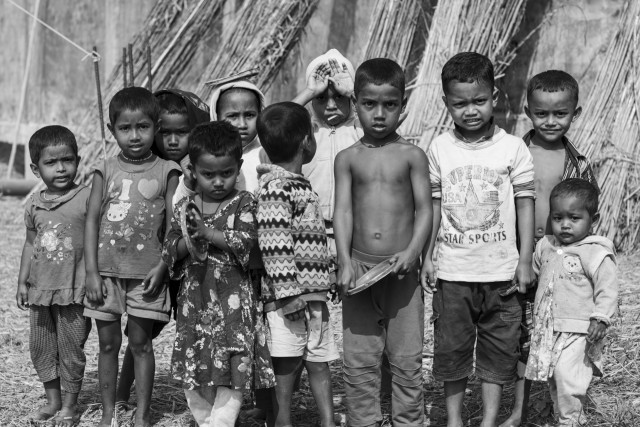
Mental Health in Slums: Coping with Poverty, Violence, and Stigma
The condition of mental health remains vital yet dismissed when assessing comprehensive welfare among slum residents.
Slum residents experience multiple difficulties because of poverty together with poor living conditions and unsafe surroundings and restricted health care access.
Physical and environmental hazards in slums produce mental health problems which include depression, anxiety and post-traumatic stress disorder (PTSD).
The public view of mental health issues directs numerous people to prevent getting needed support.
The blog examines the three-way relationship between slum resident poverty and violence and stigma that affects their mental health condition while discussing solutions.
The Impact of Poverty on Mental Health
Slum residents face poor mental health due mainly to their condition of poverty.
People who face ongoing money problems typically deal with persistent anxiety resulting in serious psychiatric health problems.
1. Uncertainty and Anxiety
The unstable job market in slums prevents residents from acquiring basic needs including food together with healthcare and educational opportunities.
Survival anxiety and depression develop gradually due to people's persistent fears about their daily survival needs.
2. Lack of Access to Mental Health Services
The high cost of services prevents slum residents from accessing therapy and counseling as well as prescription medications.
Traditional healing methods and the complete disengagement from treatment are how most affected individuals manage their psychological challenges.
3. Substance Abuse as a Coping Mechanism
Some slum residents seek escapes through alcohol and drugs because they have no available ways to manage their stress.
The mental health effects from severe conditions worsen as residents start using substances which triggers a pattern of addiction and economic deprivation.
The Role of Violence in Mental Health Deterioration
The mental health of slum dwellers suffers greatly because violence occurs every day in their neighborhood.
Household violence along with gang warfare and police brutality create suffering and terror within slum residents.
1. Post-Traumatic Stress Disorder (PTSD)
Post-Traumatic Stress Disorder develops when people experience or see violence through symptoms including emotional flashbacks in addition to bad dreams and intense anxiety.
The populations in slum areas stay untreated because these communities lack both health awareness and proper medical services.
2. Children and Psychological Trauma
The residents of violent neighborhoods experience maximum vulnerability during their childhood development.
Young individuals who experience crime and abuse tend to develop unstable emotions together with behavioral issues which create challenges in their ability to build healthy partnerships during adulthood.
3. Fear and Social Isolation
Individuals who fear violence normally stay inside their homes or refuse to connect with others.
Loneliness causes existing depressive symptoms and self-esteem challenges to become more severe.

Stigma: The Silent Barrier to Mental Health Care
Many slum communities throughout the world have deep social prejudices toward mental health that block residents from contacting mental health service providers.
Social judgment about mental health issues arises through mistaken beliefs and inaccurate notions together with rising fears of community rejection.
1. Perceived Weakness and Shame
According to the common perception mental issues signal a weakness in a person. Being fearful of social discrimination causes people to suppress their mental health problems instead of asking for professional help.
2. Community Discrimination
Everyday individuals who experience mental health problems become victims of community prejudice within their social environments.
Some people are barred from engaging in social events and suffer barriers to employment access and struggle to receive medical treatment.
3. Reluctance to Seek Professional Help
Many stigmatized people choose to share their issues with traditional healers or religious authorities instead of using medical services.
The benefits of spiritual direction may complement professional medical services but do not replace necessary professional mental health treatment.
Strategies to Improve Mental Health in Slum Communities
A solution for slum mental health includes government support combined with resident involvement supported by mental health learning initiatives.
Several approaches exist to enhance the situation.
1. Community Mental Health Programs
Slum areas should receive government funding and support for mental health programs from both the state authorities and non-profit charitable bodies.
The mental health programs should provide free counseling together with awareness campaigns and platform for support groups.
2. Training Local Mental Health Advocates
Community members who learn to identify and manage mental health problems create a connection between local populations and medical care services.
People who need assistance can easily find help within peer support networks that offer a safe environment without stigma.
3. Affordable and Accessible Healthcare
The provision of inexpensive readily available mental health care should be a government priority.
Public health programs including mobile clinics together with telemedicine technology and reduced-cost therapy provide treatment options to people who lack regular access to mental healthcare.
4. Educational Initiatives
The process of educating slum residents about mental health will help decrease psychological prejudice.
All educational facilities and religious centers together with community-based organizations should teach mental health awareness to help initiate early help for mental struggles and stop their progression.
5. Job Opportunities and Economic Support
Employment opportunities together with financial support programs will reduce the stress poor individuals experience.
A stable financial situation leads to decreased anxiety levels which enhances people's mental health status.
6. Violence Prevention and Legal Support
Community policing with strengthened law enforcement practices helps lower crime frequencies inside slums.
Getting legal assistance for violence victims helps them gain essential support combined with legal justice.
Conclusion
Slum communities need proper attention for their mental health to achieve sound wellbeing.
A succession of poverty alongside violent conditions and discriminatory prejudice consumes many people who need therapeutic help.
Mental health programs designed for specific populations combined with societal education about mental health will lead us to accessibility of mental healthcare services for everyone irrespective of their economic conditions in the future.
Present investments into mental health treatment will yield more mentally healthy neighborhoods across the upcoming generations
Frequently Asked Questions (FAQs)
1. Which factors lead to neglecting mental health care in slum communities?
The combination of poverty and cultural stigma and insufficient awareness create barriers against proper treatment of mental health in slum communities. Psychological well-being takes the rear seat to survival basics such as obtaining food and securing shelter among the population.
2. Which interventions can successfully dismantle the psychological barriers toward mental health care in slum communities?
Mental health stigma needs to be broken by community education combined with open mental health discussions and the establishment of mental health support professionals in communities. Community members who hold significant influence can become mental health advocates by sharing their experiences about reviewing mental health professionals. This helps to make help-seeking behavior standard.
3. Which indicators signal the requirement for professional mental health assistance in slum community members?
People experiencing mental health problems usually exhibit several behavioral indications which involve shying away from social environments and displaying persistent anxiety or high stress levels and developing strange physical health issues and starting to drink excessively and demonstrating drastic shifts in their mood. Early detection of such signs enables the provision of prompt intervention services.
Also read: 10 Biggest Slums in the World: Understanding Urban Poverty













LEAVE A REPLY