

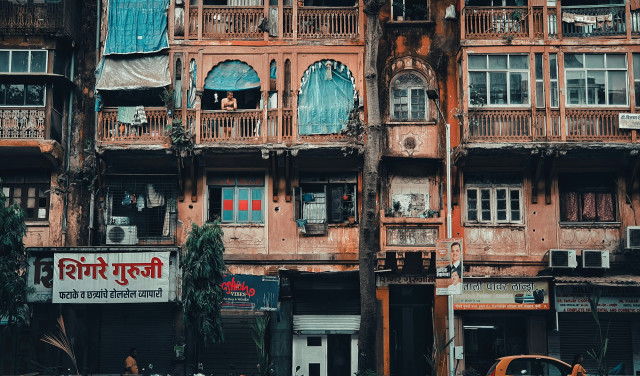
Living in Dharavi: A Day in the Life of a Resident
Dharavi represents the world's largest slum as it exists as a complete urban center with its web of crammed housing and maze-like streets and active production industries.
People tend to observe this Mumbai area through its status as a poor neighborhood of struggle.
In addition to facing hardships, Dharavi stands as a place where people demonstrate both entrepreneurial spirit and unyielding determination to face each new day.
Each day of existence in Dharavi presents a mixture of adversity with optimism alongside achievements combined with stability and aspirations.
The Morning Hustle: Waking Up to Reality
Residents of Dharavi generally wake up before the first sun rays cast their light on the area.
Multiple families live together in tight spaces within the tightly positioned homes that characterize this neighborhood.
A common single-room habitation doubles as a living space together with cooking areas and work areas.
The most basic test of everyday life emerges with the difficulty of obtaining water at the beginning of each day.
Most homes do not feature personal toilet spaces which forces residents to wait in lines at public toilets. Before sunrise women lead the daily household water retrieval task by visiting public water taps ahead of distribution cutoff.
The typical day starts with chai along with bread or chapati eaten quickly before people depart for work among the population.
Children participate in pre-school activities either at government schools or educational NGO programs.
Many parents see education as a source of optimism because it creates possibilities for their children to escape their current situation.
When the sun emerges the streets dharavi transforms into a busy scene of active individuals start their day.
Throughout Dharavi small commercial carts emerge while tea stall services start and numerous workers begin their employment.
Local industries in Dharavi operate thousands of businesses which manufacture pottery and garments in addition to producing leather items and recycling plastic waste.
Every Dharavi resident performs economic value through work activities such as factory labor or street vending or hand craftsmanship.
The Afternoon Struggle: Hard Work and Survival
When noon time arrives Dharavi shows all its business activities fully operational. Workshops function at their maximum operational level because women and men perform different types of work.
The plastic recycling market stands as Dharavi's largest economic business operation.
Laborers perform the tasks of harvesting plastic waste while organizing it into different categories before they use cleaning methods to create reusable products from it.
Artisans who work in leather and textile production areas of Dharavi create products that reach both national and international markets.
During the daytime both male and female residents of Dharavi stay occupied with activities.
Many women maintain their employment in small-scale businesses while performing papad-making or home-based garment stitching or operate food stalls.
Every part of the area demonstrates entrepreneurial spirit as local residents utilize all resources available to them.
The intense mid-afternoon hotness in the area proves difficult to escape in Dharavi.
The confined passageways block air flow and the properties built with tin roofs create a state of intense heat within the houses.
Pepole find ways to deal with their situation by letting children use available playing areas and adults taking short breaks before returning to their work.
The daily lunch in Dharavi consists of rice and vegetables with dal prepared by shared cooking facilities such as communal stoves or little gas burners.
People share meals together frequently between neighbors which strengthens the collective feeling that characterizes Dharavi life.
Healthcare stands as one of the most critical matters for the residents.
The healthcare needs of Dharavi remain insufficient because the area has limited access to quality medical facilities even though the community operates a few government-run health centers alongside NGO-driven medical aid.
Sanitation problems trigger recurrent medical outbreaks throughout the community yet people remain adaptable to their conditions through neighborhood healthcare provisions and personal medical methods.
The Evening Hope: Dreams beyond the Struggles
During the nightfall Dharavi transforms into an area with its own specific atmosphere.
Children who have finished their school day now walk through alleys and their playfulness creates a lively atmosphere.
Children form small circles in their gatherings where few organizations participate in cricket games but most talk about their career goals including engineer and doctor and business owner aspirations.
Through education poor children obtain their freedom from destitution while also working to escape continuous hardship.
The main area near Dharavi’s transit points becomes filled with hungry workers who stop at stalls selling vada pav and samosas together with steaming hot chai during their busiest working hours.
People flock to the public markets to purchase necessary items which they need for their families. Though Dharavi does not possess luxury facilities it flourishes with living energy.
The sense of community becomes alive through both musical enjoyment and sociable talk and joyful merriment as families relax after their working day.
The difficulties in Dharavi life fail to extinguish the optimism of its people. Many have aspirations of moving into better homes through government redevelopment projects.
The second group among them strives to develop their enterprises because they dream of giving their children superior life prospects.
Youth who participate in digital education envision their escape from slum life.
Community groups together with NGOs function as key forces that deliver education and vocational training to residents.
The families spend their late evenings residing within the small boundaries of their houses.
Some residents experience sleeping discomfort due to power restrictions and space constraints although tiredness eventually conquers them.
People continue their daily lives through seeing themselves living better futures in the days ahead.
This sequence continues which brings the new day of Dharavi into existence.
The Role of Women: Strength amidst Struggles
The success of both household management and economic development in Dharavi originates from women.
The inhabitants of this challenging environment succeed at working outside the home in addition to home duties which makes them crucial to their community's survival.
Their consistent day begins early in the morning to carry on until the rest of their household falls asleep at night.
Household Responsibilities and Water Struggles
Women who live in Dharavi must face great difficulties when managing their household work under resource-limited conditions.
Women must get up before dawn at 4 AM to obtain public tap water for their homes because they do not have private bathrooms.
Several families queue up at these public taps where individuals sometimes need to go multiple times to collect water for drinking sanitation and preparing food.
Making dinner requires limited space combined with poor ventilation in the house as a major kitchen difficulty.
The practice of cooking with gas stoves together with burning wood for heat creates respiratory health hazards for residents.
Women make it a priority to provide sufficient meals for their families despite self-sacrifice in order to feed their children first.
Economic Contributions
Women of Dharavi actively participate in the local economic system in addition to their tasks for home maintenance.
The family income gets extra support from their members who work at home or find small employment. Common occupations include:
- The labor force in garment work consists of women who stitch clothing products while performing embroidery and fabric coloring tasks for export-based small factories.
- Women of Dharavi operate food businesses to produce papads along with pickles and rotis that get sold through markets and distributed to nearby families and restaurant customers.
- Small-scale female business owners establish tea stands while selling vegetables along with operating homemade product stores.
- Most women from Dharavi perform housework by cleaning residences situated in middle-class and affluent residential areas.
These jobs, although low-paying, provide them with a sense of financial independence and security.
Women have made their businesses grow into profitable ventures by taking advantage of microfinance loans along with self-help groups.
Challenges Faced by Women
Women residing in Dharavi encounter multiple hurdles in addition to their considerable work output.
- The insufficient street lighting and absent security practices make nighttime movements dangerous for women in the area.
- People in Dharavi experience health problems because of restricted medical facility access which results in widespread anemia and malnutrition and unsafe childbirth issues.
- The education opportunities remain restricted as numerous young female residents either leave school to work inside their households or to produce additional family revenue.
Empowerment and Change
Various government partnerships and non-government organizations (NGOs) work together to raise the status of Dharavi women throughout recent times.
Educational programs that offer tailoring and digital knowledge training along with business education help women to achieve their economic independence.
Through educational campaigns families receive information that helps them enroll their daughters in school in order to break free from poverty.
Women in Dharavi survive each day with great strength and intense determination.
These individuals move beyond survival through their unique capabilities which enable them to lead and innovate together with surviving the challenges of Dharavi.
The women of the community unite through their strength which demonstrates that determination and aspiration can thrive even during difficult times.

Festivals and Culture: Finding Joy in Everyday Life
The economic activities in Dharavi operate alongside its diverse cultural attributes.
Residents of Dharavi persistingly celebrate life through their enjoyable participation in festive events and cultural observances along with community events.
Different religious and ethnic groups make their homes in this slum thereby creating one of the most culturally diverse districts within Mumbai.
Major Festivals in Dharavi
Ganesh Chaturthi: The Grandest Celebration
Ganesh Chaturthi stands out as among the most significant festivals which Dharavi people celebrate.
During Ganesh Chaturthi residents purchase Lord Ganesha's clay idol in addition to community organizations building magnificent pandals that display statues in elaborate decorations.
The combination of music and dance together with religious devotions brings life to the entire slum community.
Symbols of the eternal cycle of life emerge when the communities lead grand processions to submerge the deities into the sea on the concluding day.
Diwali: The Festival of Lights
Diwali turns Dharavi into a magical lighted space with decorative additions throughout the region.
Budget constraints cannot stop Dharavi families from buying diyas for decoration together with rangoli house decoration followed by open-space firecracker celebrations.
The festival combines gift-giving together with sweet exchanges while it spreads renewed hope to all participants.
Eid and Muharram: Islamic Celebrations
Dharavi's residents celebrate Islamic holidays Eid-ul-Fitr and Eid-ul-Adha with tremendous enthusiasm because Muslims form a large part of the population.
Families in Eid use two primary cooking preparations - biryani with sweet vermicelli (seviyan) - to prepare festive meals while participating in mosque prayer ceremonies.
People demonstrate a strong sense of fellowship and charitable spirit because they distribute meals together while giving financial support to needy individuals.
Christmas and Other Celebrations
During Christmas Christian residents of Dharavi organize religious services beginning at midnight followed by community performances of Christmas carols then small family gatherings.
Holi Navratri and Pongal together with Holi generate the same level of excitement among area residents who display their multicultural heritage through these events.
Community Bonding Through Culture
Dharavi celebrates religious occasions which serve as social reunification opportunities.
The celebration unites neighbors across all religions who enjoy eating together followed by joyful conversations.
The local youth groups in Dharavi maintain celebration through their production of dance shows alongside musical competitions and theatrical performances that occur on public streets.
Despite limited resources people in Dharavi discover reasons to be happy in their everyday life.
The cultural atmosphere of Dharavi exists through music performances and traditional tales followed by traditional dance routines.
The occasional joys in Dharavi remind people that survival alone does not define their existence because living exists in this community.
Challenges and Future Prospects: The Road Ahead
The communities of Dharavi demonstrate both triumph through labor and face numerous fundamental difficulties.
Future prospects seem unclear because the residents fight against inadequate infrastructure and lacking sanitation services and constrained healthcare services.
The younger generation along with government initiatives and redevelopment projects drive the hope for a better future that lies ahead.
Major Challenges
Overcrowding and Poor Living Conditions
The most daunting concern for Dharavi stems from the excessive number of residents per area. The dense living arrangements are severe due to the fact that one million people inhabit 500 acres of land.
The buildings in these areas stand thickly one beside the other while restricted ventilation and natural light availability become major problems.
Dharavi residents face exceptional hardship in their living spaces due to such overcrowding which becomes even worse when summer heat intensifies.
Lack of Sanitation and Clean Water
The public restrooms in Dharavi serve hundreds of people at one time which causes critical sanitary problems.
People in many families must use community water taps during limited operating hours. Proper drainage systems absence leads to monsoon flooding which intensifies sanitation breakdowns in the area.
Healthcare Struggles
The lack of healthcare availability causes serious problems for residents.
The area only has small medical centers and nonprofit organizations which assist people but government facilities remain excessively crowded while private medical services remain inaccessible to most of the population.
The people face high rates of tuberculosis alongside skin infections and suffer from inadequate nutrition because of these conditions.
The Future: Hope through Development
A number of development projects are being planned with the purpose of enhancing the comforts of life in Dharavi.
Through future development plans Dharavi will create high-rise buildings for better housing and it will improve sanitation systems alongside healthcare facilities for residents.
The redevelopment plans for Dharavi continue to encounter delays because of laws and political opposition.
The development of Dharavi depends heavily on technology alongside educational initiatives.
A larger number of students participate in digital educational programs while vocational centers teach young people essential skills needed for enhanced job opportunities.
The increase in entrepreneurship has been accompanied by residents who increasingly use online selling platforms to showcase their handicraft products.
The population of Dharavi preserves their undying enthusiasm in the midst of obstacles.
Through appropriate policies together with ongoing community-driven initiatives the slum has the potential to evolve into a successful urban center which shows that challenging environments cannot stifle human pursuit.
Conclusion: The Unbreakable Spirit of Dharavi
The neighborhood represents more than a slum since it embodies powerful characteristics together with overcoming challenge alongside various cultural traditions.
A single street together with each residence and every inhabitant harbors sacred narratives of continuous challenge and enduring vitality and optimistic possibilities.
Dharavi functions as a thriving community that rises from the collective spirit and ongoing work of its residents while maintaining its female strength and ongoing youth dreams.
Dharavi functions as an economic powerhouse due to its multiple active industries including leather production and pottery as well as recycling and textiles.
Women serve as essential elements of both household management and economic activities while maintaining their responsibilities through persistent effort.
People discover jubilation and fellowship through their traditional celebrations because difficult periods should not stop them from celebrating everything life brings.
The major concerns which confront the population are weak infrastructure alongside healthcare problems and unsatisfactory living arrangements.
The essential progress of our society depends on individual citizens regardless of governmental redevelopment efforts and developmental plans.
A burgeoning future appears thanks to educational development along with entrepreneurial initiatives coupled with communal advances.
The community of Dharavi serves as an actual setting which teaches people how to survive through continuous displays of human resolve.
Such conditions make us comprehend that people in severe circumstances construct lives which contain meaning along with self-respect and optimistic expectations.
The world should view Dharavi beyond its poverty to understand the powerful capabilities living inside its dense streets and industrious community members.
The upcoming future of Dharavi represents a dual mission to endure while working for sustained advancement and continuous pursuit of superior possibilities which will shape the future.
Also read: Inside Dharavi Leather Workshops: A $1 Billion Informal Industry



-3dkuLgKhRD.jpg)
-49HupTvwDD.jpg)


LEAVE A REPLY