

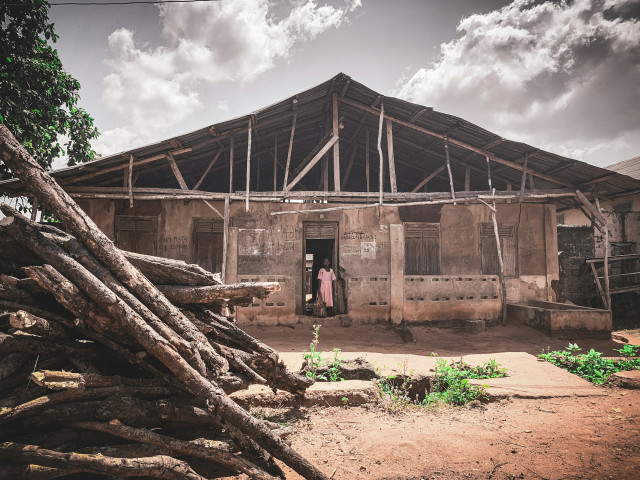
Kibera Slum Upgrading Project: Progress and Challenges
African country Kibera serves as the largest informal settlement where residents endure inadequate infrastructure together with shabby housing and unsanitary environmental conditions.
The Kenyan government together with its development partners started the Kibera Slum Upgrading Project (KSUP) to solve these issues.
Through this initiative authorities seek better conditions of living while creating enduring solutions for settlements.
The housing quality and sanitation facilities of Kibera receive attention through the KSUP project with additional enhancements for infrastructure construction alongside better service accessibility.
This research examines KSUP by assessing both its results for Kibera residents together with its strategic development outcomes in achieving sustained community development.
Background and Objectives of the Kibera Slum Upgrading Project
Understanding the Need for Upgrading
Due to its extremely dense population Kibera ranks as one the world's most crowded slum locations where its residents survive inside informal dwellings constructed from clay and wooden materials and tin sheets.
The combination of fast urbanization along with high population growth against economic unevenness created in Kibera caused severe poverty and poor infrastructure and restricted the access to health services and educational opportunities and work possibilities.
Since the early 2000s the Kenyan government coordinated with UN-Habitat and World Bank to activate the Kibera Slum Upgrading Project.
The program worked toward turning irregular settlements into modern residential communities while extending essential utilities including drinking water and power and wastewater treatment features along with improved built environments.
Key Objectives of the Project
Several enduring goals served as the focus of the KSUP according to its design.
- This program builds economical housing units which will replace all current informal housing.
- The project entails the installation of contemporary sanitation facilities as well as efficient sewerage systems alongside clean public toilets for the inhabitants.
- Better Roads and Street Lighting complemented with Drainage Systems operate to increase access while creating safer communities.
- The project aims to establish economic empowerment by delivering skills education and supporting small business ventures along with micro-loan programs.
- Kibera residents maintain full participation through decision-making processes and actively contribute to the project as part of the implementation plan.
Several challenges have arisen during the execution of these objectives and their discussion follows in the next parts.
Progress Achieved in the Kibera Slum Upgrading Project
Improvement in Housing and Infrastructure
The major outcome of the project involved building modern household units that replaced substandard housing.
The government established multi-story decent housing facilities which brought dignified living accommodation to residents of Kibera.
During the first phase the Decanting Site in Lang'ata delivered cost-effective rental properties for temporary resident relocation before the construction of permanent structures began.
The infrastructure project has shown significant progress by building new roads as well as drainage systems and street lighting throughout specific sections of development.
The Ngong Road expansion project established enhanced travel routes linking Kibera to the rest of Nairobi thus improving accessibility together with business prospects.
Access to Water and Sanitation
Prior to the project's execution the majority of residents depended on risky and pricy water vendors that caused many cases of waterborne disease manifestations.
Through KSUP the Nairobi City Water and Sewerage Company established new pipelines which delivered affordable clean water to residents.
A modernized public sanitation system with bio-toilets exists for promoting improved hygiene throughout the area.
Economic and Social Benefits
Through the project funding process small-scale businesses along with vocational training centers received backing while residents learned carpentry and tailoring methods and entrepreneurship basics.
Women’s empowerment initiatives provide programs which teach financial literacy combined with self-employment training along with leadership development.
Multiple obstacles persist against the Kibera Slum Upgrading Project that hinder its effective execution and reduction of deployment delays.
Challenges Facing the Kibera Slum Upgrading Project
Community Resistance and Relocation Issues
The major obstacle in implementing the KSUP arises from community member reluctance to participate.
The residents of Kibera view infrastructure development with apprehension because they doubt that fair compensation will be given before forced evictions occur.
Numerous families have experienced relocation without receiving suitable replacement accommodations which created distrust between government authorities and the people who live there.
Financial and Logistical Constraints
The slum upgrading procedure faces financial obstacles as an insurmountable difficulty.
Building residential units together with infrastructural installations of water and sewerage systems in addition to road improvement costs a significant amount of money.
The project advancement encounters delays because government financial disbursement proceeds at a sluggish pace while receiving donations from international donors and NGOs.
Political and Corruption-Related Challenges
The KSUP has encountered similar challenges faced by other massive construction initiatives throughout Kenya which include political intervention and funding mistakes.
The project has lost credibility because investigations show instances of land acquisition conflicts alongside house distribution problems and resource allocation preferential treatment.
Inadequate Infrastructure Maintenance
The construction of new facilities has progressed yet poor upkeep continues representing a lasting problem.
Numerous newly constructed roads together with drainage systems have begun showing signs of damage because of insufficient regular maintenance practices.
Sanitation facilities suffer from maintenance neglect causing faulty operations and unclean situations within certain sections of the project area.
The project sustainability remains uncertain because of these existing difficulties.
The project may fail to deliver its intended results to everyone in the community if solutions for problems remain inadequate because some residents will remain in bad living conditions.

The Way Forward: Strategies for Sustainable Slum Upgrading
Enhancing Community Engagement
Success of the Kibera Slum Upgrading Project depends heavily on direct involvement from all community members.
The Kibera Slum Upgrading Project requires government collaboration with development partners through following guidelines:
- People who live in the neighborhood must have active roles in both planning processes and decision-making sequences to build trust and transparency.
- Resident participation strategies should combine education sessions about upgrading advantages and peaceful approaches for moving people out of their homes.
- The implementation of legal services should protect residents from rights violations throughout the upgrading project activities.
Securing Adequate and Transparent Funding
The project requires proper financial planning with accountability measures to maintain its stability. The government should:
- The government should enhance funding for slum upgrade programs through global partnerships.
- The system needs open fund allocation procedures to avoid both corruption and management flaws in the financial process.
- The government should develop beneficial financial programs to motivate private developers construct affordable housing units.
Sustainable Infrastructure Development
The government needs to take the following steps for enduring success:
- The government needs to establish maintenance systems that manage roads and drainage systems in addition to sanitation infrastructure.
- The government should fund renewable energy components that include solar-powered street lights coupled with water recycling facilities.
- Public-private collaborations should develop to enhance service delivery operations.
Promoting Economic Opportunities
Economic empowerment becomes as important as housing in the practice of sustainable slum upgrading. The government should:
- The government should back entrepreneurial programs designed with training plus economic backing for residents.
- The implementation of infrastructure development projects should generate new job opportunities.
- The installation of microfinance initiatives will enable residents to launch new small enterprises.
The Kibera Slum Upgrading Project will establish a lasting positive effect in resident lives when these essential elements are properly addressed.
Impact of the Kibera Slum Upgrading Project on Residents
The Kibera Slum Upgrading Project (KSUP) established substantial changes throughout its population which brought both positive and unwanted outcomes to its residents.
The project delivered improved housing quality along with better sanitation and enhanced access to essential services to numerous residents yet numerous others encountered economic problems and case multiple social readjustments and required relocation.
This section analyzes multiple ways in which KSUP has altered the conditions of the Kibera residents.
Improved Housing and Living Conditions
Persistent changes because of the project include replacing traditional housing with proper home structures.
Permanent well-built apartments with modern amenities have replaced the previous homes built from mud walls and iron sheets for numerous Kibera families.
The houses feature better security alongside improved sanitation together with electricity and water access that leads to substantial enhancements in resident life quality.
Homeowners who obtained access to new living units have experienced fundamental changes in their living circumstances.
The new housing supplies families with protection that shields them from dangerous natural conditions.
The implementation of water supply systems coupled with indoor sanitation facilities has cut down on dangerous diseases related to contaminate drinking water.
The improved living condition of children extends to their surrounding environment that is now safer since it contains less potential contaminants and toxic waste materials.
Some Kibera residents have failed to obtain these advantages from progress.
Kibera residents who lived there originally encountered two problems preventing them from moving into new apartments: they lacked sufficient funds for rentals and the development teams failed to include enough families in the relocation program because of insufficient housing spaces.
Former residents who could not afford the rent costs following their relocation chose either other slum areas or illegal settlements for long-term housing.
People have produced diverse opinions about whether the project resolved Kenya's housing emergency effectively
Economic Opportunities and Challenges
The economic environment of the area undergoes transformative changes after the implementation of the KSUP.
The infrastructure improvement led to business growth as well as new employment options within the area.
The building of new roads along with markets lets small enterprises grow their scope and get in touch with more customers through improved access.
Inhabitants of the area fill out increased financial gains because better business operational conditions enabled vegetable sellers and shop owners and street vendors to increase their revenue.
Through the project many residents obtained employment opportunities which concentrated mainly in construction tasks and waste handling duties and building upkeep activities.
Many young people have earned their income by acquiring new vocational skills through training programs which include carpentry and tailoring along with plumbing and electrical work.
The project has not eliminated all economic challenges faced by particular individuals or groups.
Residents experienced increased expenses as Kibera shifted towards formalized living so families now struggle to handle their expenses.
The efforts to upgrade the area have resulted in the movement and destruction of business areas that left many residents without a means of sustenance.
The increased expense of essential utilities combined with water and electricity presents a substantial obstacle which prevents some families from preserving their current way of life.
Social and Cultural Changes
The slum upgrading project has generated major transformations in the social structure alongside cultural developments.
Earlier, people in Kibera shared tight bonds with neighbors who provided mutual assistance to each other.
The process of moving families to different housing units destroyed some existing connections between individuals.
The relocation of people who shared the same residence for many decades forced them to separate into different regions which severed their community ties.
Residents residing in the new housing estates experience increased dignity as well as pride.
The upgraded living conditions now offer hope for better times ahead while shifting public views about slum residence.
The updated facilities which children use for play and study provide them with safer environments that protect them from harmful influences and criminal activity.
The Kibera Slum Upgrading Project has unquestionably altered the quality of lives in Kibera.
The initiative maintains difficulties for certain residents although it establishes significant ground for urban development to continue.
Lessons Learned from the Kibera Slum Upgrading Project
The Kibera Slum Upgrading Project delivered important learning points to the Kenyan government as well as NGOs and international development partners.
Slum upgrading efforts receive both positive and negative recognition through the project implementation experience.
The evaluation of this project will enable designers and executors to create better outcomes in future urban development works.
The Importance of Community Involvement
Community participation stands as one of the most important things learned through the KSUP in its efforts to transform urban areas.
At the beginning of project execution residents displayed negative feedback since they received limited inclusion in decision-making activities.
Most residents feared losing their properties as well as their sources of income because proper replacement options were not provided.
The absence of trust between the government and residents delayed project progress and generated disputes between the two parties.
Future urban development projects need to build complete resident participation starting from planning to designing to implementing the solutions.
Projects succeed in real needs assessment and community support by implementing these procedures.
Affordability and Accessibility Matter
The lesson learned shows that construction of housing alone will not suffice because the units need to be affordable for their target population.
Some residents could not afford the lately developed apartments under KSUP so they either left the units vacant or newly affluent tenants moved in because they could afford them.
Future development projects need to incorporate subsidized rent alongside flexible payment options and different low-cost housing alternatives for people with limited incomes to stop relocation.
Together with homes the addition of economic growth programs will help families maintain their suitable living environment.
Transparency and Accountability Are Key
The development project KSUP faced significant corruption alongside improper fund management which affected its operations similarly to other projects in Kenya.
The initiative faced harm to its reputation when people accused it of dishonest activities including dubious land purchases and improper distribution of homes and unauthorized use of public funds.
Future projects need to implement proper accountability systems which include independent audits together with open allocation processes and rigorous anti-corruption regulations to ensure credibility.
Civil society groups with media watchdogs should be actively part of projects to improve oversight and stop exploitation.
Conclusion
The Kibera Slum Upgrading Project (KSUP) serves as an innovative effort to enhance living conditions in this vast African informal settlement.
Thousands of residents have received concrete benefits through this initiative because it addresses housing needs together with infrastructure provisions and sanitation improvements and economic advancement programs.
The community now accesses both contemporary residential units and clean tap water supply combined with enhanced transportation infrastructure and job opportunities as part of their urban progression.
Numerous challenges have emerged regarding the project including resistance from communities along with financial obstacles and corruption situations as well as insufficient maintenance of infrastructure.
The transformation of slums has created mixed reactions among residents because some occupants gained beneficial changes while others had to leave their homes and face affordability problems.
The insights gained through KSUP such as comprehensive engagement and reasonable prices alongside open practices together with complete system understanding will create successful models for developments both inside and outside of Kenya.
Sustainable slum upgrading depends on enhanced government policies with additional funding resources and new innovative solutions which combine eco-friendly housing and smart urban planning.
Slum residents need to lead the development process because it ensures that both process and outcomes benefit their communities.
Through proper implementation of slum upgrading projects future societies will create cities that support both economic growth and equity.
The Kibera Slum Upgrading Project consists of more than physical construction work because its primary focus centers around benefiting the people who live there.
The ultimate success or failure of the initiative depends on its actual impact on community development alongside its proven solutions for eliminating urban poverty.
Also read: The Role of NGOs in Kibera: Success Stories and Controversies



-bsBmIgEW58.jpg)
-5yCS4OoVBg.jpg)








LEAVE A REPLY