

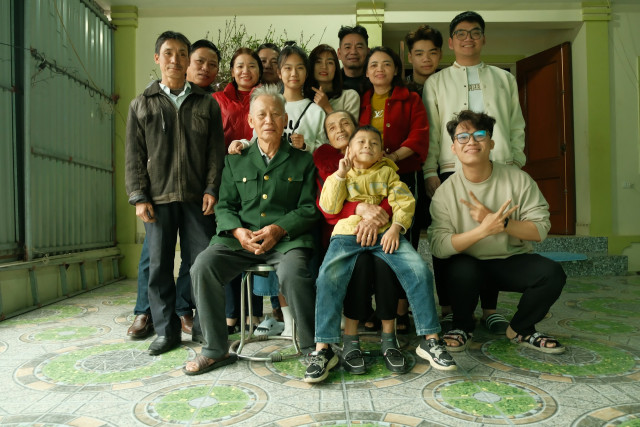
Joint Family vs Nuclear Family: Urbanization and Changing Family Structures
The human social structure begins with family because it defines personal life journeys and establishes cultural social norms.
Family patterns have modified throughout time because of economic progress together with cultural transformations and technological advancements.
Joint families previously represented the main family system which brought together several generations into single dwellings to share both obligations and assets.
Nuclear families are now selected above other family types by most people because of the combination of urban development with global trends and modern progress.
The process of urbanization stands as a primary force which has remodeled the way families operate.
Urbanization coupled with industrial growth leads people to relocate from one place to another because they need better employment and access to quality education combined with enhanced living conditions.
Population migration toward built-up areas now causes younger generations to leave ancestral home bases to establish separate nuclear families.
The advantages and challenges of nuclear and joint families differ from situation to situation depending on cultural background together with economic status and individual lifestyle choices.
The study of family dynamics enables us to better understand the present-day family structures and their effects upon relationships and societal norms as well as individual well-being.
Joint Families: Strength in Unity
A joint family configuration involves extended household members who reside together across multiple generations including grandparents as well as parents alongside children and their extended relations such as uncles or aunts and cousins.
Several Asian along with African and Middle Eastern cultures practice joint family structures because they see communal dwelling as fundamental for both emotional balance and financial stability.
The major benefit of joint family living arrangements stems from combined family obligations.
Family responsibilities are split among multiple members which lightens the load for individual family members.
Working parents benefit from the shared childcare responsibilities when family members participate in the care of children and transmit cultural values to them.
A joint family structure provides comprehensive financial security to its members. Joint family members pool their resources together which creates economic stability when facing critical situations.
Nationwide family expenses become more manageable because household costs including housing, education and medical bills split between several working family members.
Family members within joint structures heavily depend on both emotional and social assistance for continual support.
The practice of sharing a house with relatives creates deep relationships which builds solidarity throughout the household.
The elderly receive caretaking and social support along with the knowledge their younger family members obtain from their elder generation members.
People who receive help from strong supports systems during difficult life periods from medical conditions or job termination and personal challenges benefit significantly.
The structure of joint families brings about specific difficulties along with their advantages.
The living arrangement causes privacy to become a significant issue when distinct family generations reside together in one house.
Personal aspirations of family members will occasionally conflict with shared family principles which results in disputes.
When families make vital decisions they need to reach an agreement between all their members due to their shared living circumstances.
Generational differences about thinking and choices regarding lifestyle frequently create conflicts that surface when younger generations want to become independent and adopt modern worldviews.
Joint family institutions continue as cultural and interdependent systems mainly because societies focus on the significance of communal living and sustained family bonds.
Nuclear Families: Independence and Modern Living
A nuclear family consists of parents who are married with their offspring who separate themselves from their wide network of relatives.
People tend to choose this arrangement now more than ever because urban areas offer better flexibility for work responsibilities alongside modern life conditions.
Nuclear families grant their members autonomy as their main advantage. Married couples make all decisions independently about their finances and their career paths and their family approaches together with their daily routines without interference.
Self-reliance develops as a result through independence which leads people to become responsible and accountable in their actions.
Privacy is another significant advantage. Nuclear families provide residents with expanded personal space which extends their ability to create comfortable environments.
The contemporary social environment places a high value on personal limits and seamless work-life separation thus this benefit becomes essential.
Nuclear family arrangement promotes both effective time administration together with contemporary parenting techniques.
When parents exist within a nuclear structure they dedicate all their attention to child parenting and customize their child's learning experiences along with their hobbies.
Nuclear families eliminate strict traditional family hierarchy which enables parents to have better communication with their children and thus build a freer adaptable household.
Nuclear families encounter multiple obstacles during their operation.
The main challenge of nuclear families emerges from the fact that every financial expense from rent to utilities to school fees to medical bills falls to the limited income sources of the family members.
Because joint households distribute financial expenses between all members nuclear family members must carefully plan for economic stability.
Nuclear families experience difficulties because they receive no instant help.
When health emergencies or job loss arise nuclear families face difficulties because they lack the assistance provided by extended family members during these critical moments.
Working parents specifically experience challenges managing their professional duties with child care attempts while awaiting assistance from extended relatives.
One important limitation of nuclear family structure arises from the fact that people live in isolation from others.
Nuclear households face potential loneliness because they have fewer family members and this affects children when they lack the friendship of cousins along with extended relatives.
Older adults within nuclear family structures tend to feel unimportant when their children focus primarily on their professional life combined with personal commitments.
Nuclear families are more frequently observed as the family structure of choice especially in urban areas because they offer modern flexibility together with independence and adaptability in today's living standards.

Urbanization and Its Impact on Family Structures
The changes from joint to nuclear families result principally from urbanization.
When cities grow in size and industry develops more people migrate from their original towns to find improved possibilities which changes basic family patterns.
The main force behind shifting family structures derives from economic progress. Better employment options along with enhanced earnings potential and better career advancement spaces found in urban areas motivate people to move to such centers.
Youth professionals create separate family households through their migration practices which establishes nuclear family dynamics when they distance themselves from their extended relatives.
The increasing modern living and housing expenses significantly contribute to altering traditional family arrangements.
Numerous urban properties cost high prices and provide scarce space options which makes the cohabitation of large extended families in the city very difficult.
Gated communities along with apartments cater to families who need fewer members per household thus demonstrating the dominant position of nuclear family living.
The growth of worldwide learning as well as global development has added further elements to household modifications.
The advance of literacy education in addition to wider educational opportunities exposes young people to a wide range of cultural perspectives and ideas and future goals.
People get drawn toward nuclear family structures after experiencing life without familial restrictions since these arrangements enable people to manage their private and occupational matters more effectively.
Modern technology together with digital connection methods have transformed family communication patterns.
The separation between nuclear family members and their extended relatives becomes less important because modern communication technology allows them to connect through video calls social media and instant messaging formats.
Digital interaction creates opportunities for people to unite traditional joint family norms with current nuclear family ways of living.
The process of urbanization introduced multiple new difficulties to society and its people.
Fast urban living patterns generate excessive strain which results in employee burnout and breaches between work time and personal time that affect family bonds.
Exceptional working schedules alongside heavy traffic jams and busy lifestyles make it difficult for families to share meaningful time together.
The present phenomenon of individual pursuit along with the human focus on materialistic goals frequently loses importance regarding family unity and mutual support.
Urban development presents families with new opportunities which enable them to combine elements of traditional joint and nuclear structures.
People from many families stay connected to their extended family networks by celebrating together during holidays and providing monetary and emotional backing.
The modernized model unites traditional values with contemporary elements to preserve family values despite societal transformation.
Psychological and Social Impacts of Changing Family Structures
Modern transformations in family structure have changed how people live economically yet also substantially affected their social well-being and mental health state.
The family plays an essential part in developing mental health while helping people build emotional resilience and promoting their social interactions.
The changes in traditional support networks create an essential focus on the psychological effects of different family arrangements.
Children experience major psychological changes because of the way family structures have evolved.
Children who grow up in joint families experience a wide social environment that includes their grandparents together with their uncles and aunts and cousins.
This exposure fosters social skills, adaptability, and emotional intelligence.
Former generations within the family unit teach younger generations by showing them how to maintain cultural lessons while practicing discipline through daily traditions.
When multiple caregivers exist in a family this leads children to have continuous monitoring and these conditions help them avoid experiencing feelings of loneliness or neglect.
Children from nuclear families typically enjoy less social interaction since parents dedicate their time to work commitments that result in the need for additional daycare time.
The growth of independence and resilience from this situation comes with a potential risk of social seclusion together with an elevated dependence on electronic entertainment and friendships.
Research has indicated nuclear family children build better connections with their parents as individuals but these children face challenges when working together and showing adaptability within group social situations.
Adults experience psychological effects from separation which depend on their personality characteristics and methods of coping.
Union families provide their members strong feelings of connection together with emotional peace and protection.
Family members who live together create a support framework which enables them to cope with stressors as well as anxiety and emotional stresses.
Relating every day with family and participating in communal festivals alongside friends who stay present through hard times helps strengthen one's mental health.
Psychological strain emerges specifically in joint families because young family members want independence from their family unit.
Family members experience frustration and stress because they must follow familial decisions while experiencing reduced privacy and sometimes develop conflicts.
The discrepancy between individual life perspectives alongside lifestyle variations and personal goals generates relationship problems that prevent honest self-expression between people.
The main psychological challenge of nuclear families arises from the absence of close emotional assistance.
The lack of extended family support becomes apparent during personal emergencies including sickness and employment failures and emotional challenges.
Working parents face excessive stress because they must handle their professional demands in addition to caring for their children.
Nuclear family structure forces parents to handle everything independently so their care responsibilities become an individual burden that sometimes causes them to experience exhaustion and burnout.
Nuclear family transitions have negatively impacted the quality of life for elderly Porter members the most.
Traditional joint family systems had a practice of senior members receiving physical and emotional support through generations because their children and grandchildren acted as their caregivers throughout their older years.
The nuclear family trend has resulted in elderly people residing either by themselves or in retirement communities because of which they experience depression and loneliness and feelings of neglect.
The lack of emotional connection between younger and older persons creates psychological distress for cultural systems that uphold familial responsibility toward their parents.
Rapid urban and digital transformations have altered family member communication patterns which therefore impacts mental health outcomes of all parties involved.
Both traditional joint family rituals and modern digital technology serve as foundations which link family members together within nuclear family structures today.
Modern communication tools have strengthened families who live apart but they simultaneously reduce personal connection quality between family members.
Physical co-habitation does not guarantee family member connectivity because digital device usage separates them emotionally from meaningful engagement.
Society has experienced two major changes which affected traditional social values and neighborly interaction while families transitioned from joint household structures to nuclear household arrangements.
Members of traditional joint families actively participated in social community functions as well as spiritual ceremonies and local interactions.
Great societal values of social harmony together with collective welfare received strong emphasis which strengthened connections that exceeded familial boundaries.
Under the nuclear family structure people typically prioritize their personal and professional pursuits which might cause them to neglect community engagement.
People have strengthened their sense of personal identity thus changing their priority from group wellness toward individual success.
People have achieved better career prospects and financial freedom together with modern comforts through this model but these advancements drive social disintegration.
The lack of community activity participation combined with declining traditional traditions and diminished relationships between neighbors and extended relatives is now common.
The nuclear family option in urban areas directly leads to psychological problems ranging from depression through anxiety and emotional unhappiness.
Living in cities at high speed and working hard while being without family connections triggers emotional strain in people.
Scientific research shows nuclear family members tend to endure greater amounts of stress and loneliness than joint family members do.
Nuclear families allow their members to discover themselves while gaining awareness about mental health.
Obtaining mental health help was avoided in many joint families because they considered emotional issues as properties of weakness rather than treatable medical conditions.
Nuclear families enable their members to dedicate time to mental health needs through self-care programs as well as therapy sessions and uninhibited conversations about mental health problems.
People have become more aware which has led them to seek professional medical assistance and practice mental well-being methods in addition to using unconventional stress management strategies that were previously rare in conventional joint families.
Gendered relations within family units play a significant role in shaping psychological consequences that result from various family structures.
Joint family dynamics commonly upheld conventional expectations that assigned women household work along with the main responsibility of income generation falling to men.
Nuclear families have emerged while simultaneously expanding gender equality between partners so they handle economic tasks alongside home responsibilities.
This transition permits women to experience professional advancement as well as personal growth.
Conclusion: The Future of Family Structures
Environmental factors influence the ongoing discussion between joint and nuclear family relationships rather than establishing their superiority.
The advantages of joint families include emotional security with shared responsibilities and cultural continuity while nuclear families offer independence together with flexible options and contemporary lifestyles.
Predicted changes from urban growth combined with modern technological progress and cultural transformation will drive families to adapt by fusion of conventional and modern domestic structures.
People need to modify their family arrangements to meet present-day requirements but should protect essential concepts of mutual love and respect and emotional backing.
Ultimately, the strength of a family—whether joint or nuclear—lies in the quality of relationships, communication, and mutual understanding.
Societal progress might change how we define family while leaving the eternal nature of family bonds unaltered.
Also read: Urbanization and Income Inequality: Bridging the Wealth Gap












LEAVE A REPLY