

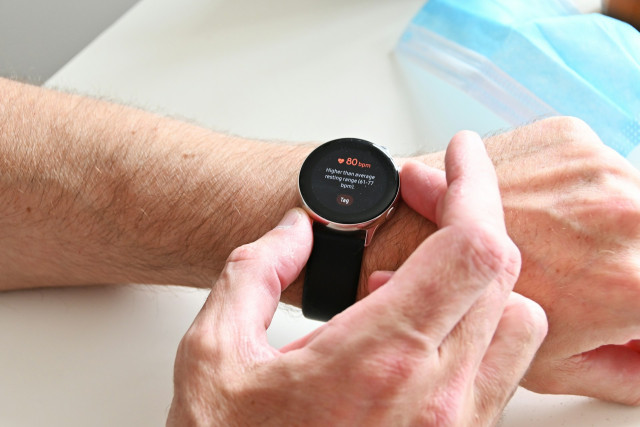
IoT Wearables for Health: Monitoring Chronic Conditions in Affordable Housing
The people with lower income have a greater chance of developing chronic health conditions including diabetes, heart disease alongside respiratory disorders.
When people lack access to healthcare together with prevention monitoring they end up making hurried emergency trips to hospitals that leads to poor health conditions.
Health monitoring technology through IoT wearable allows affordable housing communities to provide their residents with real-time disease management solutions.
Health tracking through regular utilization of smart watches and biosensors together with AI alerts enables permanent monitoring that decreases healthcare expenses along with life quality improvements.
This article describes the transformative effects of Internet of Things wearables on health tracking systems in low-cost housing communities.
How IoT Wearables Help Monitor Chronic Conditions
The Internet of Things (IoT) produces wearable devices through small sensors which measure vital health signs while identifying patterns while sending prompt notifications about health risks.
These devices:
- The devices should track the patient's heart rate alongside blood pressure along with oxygen levels to detect early warning phenomena.
- A diabetes patient can track their glucose levels continuously using this system.
- The system detects movement inconsistencies and falling incidents which enables rapid emergencies to respond.
- The evaluation of sleep patterns together with stress assessments assists the promotion of mental well-being.
These medical devices provide alerts to caregivers and health providers as well as family members when urgent medical assistance is required thanks to AI analytics integration.
Key IoT Wearable Technologies for Affordable Housing Residents
1. Smart Watches and Fitness Trackers for Heart Health
Wearable devices like smart watches and fitness bands can help with heart health. They can:
✅ Spot heart problems early.
✅ Send alerts if your heart rate is off.
✅ Track your activities and remind you to move more.
For instance, the Apple Watch and Fitbit have helped people find early signs of heart issues. This leads to faster medical help.
2. Continuous Glucose Monitoring for Diabetics
For people with diabetes, CGM devices make checking blood sugar easy. They:
🔹 Give real-time glucose readings on your phone.
🔹 Alert you when your sugar is too high or too low.
🔹 Help doctors adjust your care based on your levels.
Devices like Dexcom G6 and Free Style Libre are changing diabetes care, especially in communities that need it most.
3. Smart Wearables for Breathing Issues
People with asthma or COPD can use smart respiratory monitors. They:
✔ Track oxygen levels.
✔ Detect if you're having trouble breathing.
✔ Alert caregivers in emergencies.
For example, the Oura Ring and Withings Scan Watch help people in areas with poor air quality.
4. Fall Detection for seniors
Seniors in low-cost housing may face more risks of falling. Smart bands and sensors can:
✅ Detect falls and alert emergency services.
✅ Monitor how active they are to spot problems.
✅ Track locations for seniors with dementia who wander.
Medical alert devices like Life Alert and AngelSense are great for getting seniors help fast.

Benefits of IoT Wearables for Affordable Housing Communities
- Early Disease Detection – Prevents complications through continuous monitoring.
- Zero healthcare expenses_ result from decreased hospital admissions that preventive care makes possible.
- Remote Monitoring establishes a system that enables physicians to supervise patients across distances using reduced clinic appointments.
- Falls are detected automatically and emergency notification systems protect at-risk residents through monitoring devices.
- Recent healthcare developments powered by AI help medical practitioners develop treatments based on collected data.
Case Study: IoT Wearables Improving Health in Affordable Housing
The smart health wearable initiative in New York City Public Housing initiated a technology program for chronic condition residents.
The results:
- 35% reduction in emergency room visits.
- Improved diabetes management through real-time glucose tracking.
- Enhanced senior safety with fall detection and remote monitoring.
The patient success metrics together with decreased healthcare expenses resulted from similar low-income community healthcare initiatives found in Singapore and the UK.
Conclusion
The advancement of IoT wearables now brings cheaper access to preventive healthcare services that effectively manage chronic diseases in affordable housing facilities.
The combination of live monitoring capabilities and intelligent alert systems and analytic tools through these devices allows for proactive healthcare actions by both residents and their caregivers and medical providers.
New generations of IoT technology will implement wearable healthcare tracking devices as basic features in affordable housing spaces to establish healthcare access as a basic human right.
FAQs
1. Are IoT wearables affordable for low-income residents?
Organizations dedicated to health support both subsidized and free IoT devices which patients with chronic conditions can access for disease management purposes. Wearable technology companies are gaining insurance coverage from companies that will pay for preventive care devices.
2. Do wearables in the Internet of Things platform have the ability to substitute medical clinic check-ups?
These devices remain useful as an additional resource which delivers ongoing health information after hospital checkups. The tracking system allows for detecting problems in an early stage prior to major complications.
3. How secure is the personal health data collected by IoT wearables?
Advanced health devices under the IoT sector protect patient data through HIPAA standards while applying end-to-end encryption schemes. Customers should select well-known brands that maintain robust privacy guidelines when picking IoT wearable devices.
Also read: Pandemic-Proof Housing: IoT Solutions for Infection Control in Affordable Units












LEAVE A REPLY