

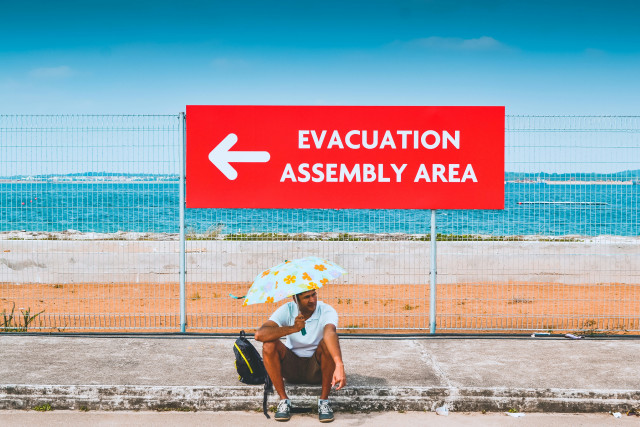
IoT for Disaster Preparedness: Protecting Affordable Housing from Floods and Fires.
Affordable housing populations face substantial danger when floods and fires occur as disasters.
Scarcity of resources combined with infrastructure problems leads housing units to face greater risks of damage and destruction.
Internet of Things technology provides advanced disaster preparedness solutions through IoT which allow effective emergency prediction and prevention and response methods.
Through IoT solutions consisting of smarter sensors and automated warning systems and remote monitoring capabilities the provision of both safety and resilience improves in affordable housing.
IoT Solutions for Flood Preparedness in Affordable Housing
The combination of structural destruction with power disruptions forms alongside water contamination and mold development as flood-related health risks.
The combination of IoT-based devices in flood prevention applications helps reduce risks while safeguarding area residents.
a) Smart Flood Sensors for Early Warning
The IoT technology implements flood sensors that identify increasing water levels at basement locations and rooftop areas and water source points to send warnings to residents and property management staff before dangerous flood events start.
These sensors can:
- Monitor water levels in real-time
- The system will issue mobile push notifications before flooding hazards become active.
- Emergency pumps become operational to minimize damage across the area.
b) Smart Drainage and Water Management
The application of IoT technology optimizes drainage operation by performing autonomous water flow management along with rainfall prediction capabilities.
Smart systems can:
- The system detects drain blockages which automatically activates maintenance notification systems.
- The system should activate sump pumps to drain excessive water buildup automatically.
- An AI-based weather evaluation system enables real-time preparation for large rainfall events.
c) IoT-Based Emergency Communication Systems
Areas threatened by floods need clear communication methods in order to run successful evacuation and rescue operations.
IoT-powered alert systems:
- The system can deliver crisis alerts through SMS text messages together with mobile applications and sirens.
- The system will offer direct emergency service communication capabilities.
- The system displays immediate evacuation paths using location-based information.
Affordable housing communities become more prepared for floods through IoT monitoring which reduces threats to lives and property assets.
IoT Fire Prevention and Detection Systems
The combination of outdated infrastructure and scarcity of space and minimal fire safety protocols makes affordable housing fires extremely destructive and dangerous.
IoT-based fire prevention systems detect hazards early and automatically activate responses to lower the amount of damage that occurs.
a) Smart Smoke and Heat Sensors
Toxic smoke detectors in traditional setups produce alarm sounds whereas IoT-enabled fire detection systems offer these capabilities and additional features.
- The system identifies smoke and gas leaks together with extreme temperature increases in order to prevent a widespread blaze.
- The system sends immediate warning messages to both firefighters and those living in the building.
- These sensors will work with smart sprinklers through automatic activation.
b) Smart Electrical Monitoring for Fire Prevention
Older affordable housing units tend to develop fires because of defective electrical wiring combined with overloaded electrical circuits.
The use of IoT-based smart electrical monitors helps through these following capabilities:
- The system detects when electrical wires become overheated and when appliances develop any malfunction.
- Power shutdowns in dangerous locations allow prevention of electrical fires from occurring.
- The system generates essential alerts to prompt needed repairs together with maintenance tasks
c) AI-Powered Fire Response & Evacuation Systems
The combination of IoT solutions connected to AI technology drives faster fire response through the following benefits:
- Internet-connected route planning produces smartphone-based navigational support for residents.
- Emergency exit access will automatically unlock to speed up evacuation processes
- Emergency response services receive instantaneous fire location information through a coordinated system
Affordable housing units with IoT-enabled fire safety solutions will decrease fire-caused damages while preserving human lives.

Enhancing Disaster Resilience with Smart Infrastructure
Smart infrastructure enabled by IoT serves to protect communities from long-lasting consequences of floods and fires together with other disaster events.
a) Structural Health Monitoring
The buildings' IoT sensors monitor structural condition while sending advance warning messages regarding maintenance needs.
These sensors:
- The system needs to detect any cracking within foundations along with spotting water-related issues.
- The continuous tracking of building stability takes place through floods and earthquakes
- IoT devices issue advance warnings about potential equipment breakdowns which could cause critical failures.
b) Automated Emergency Power Systems
The crisis becomes worse when disaster strikes due to power outages. IoT-powered backup systems help by:
- The backup system selects battery or solar power automatically when the electricity supply breaks.
- A system which tracks energy consumption will reserve power for essential operations
- Residential warning systems along with instructions about prolonging energy conservation during blackout events
c) IoT-Connected Smart Security Systems
The occurrence of disasters leads to widespread theft as well as numerous security risks. IoT-based security solutions include:
- Smart surveillance cameras with AI motion detection
- Electronic door locks enable staff to activate building security from outside the building area
- Real-time tracking of residents for safety and rescue efforts
Smart infrastructure enables affordable housing communities to construct resilient systems that help them speed up recovery during emergencies.
Challenges and Future of IoT in Disaster Preparedness
Introduction of IoT disaster management systems in affordable housing properties faces multiple implementation barriers.
a) High Initial Costs and Funding Issues
- Implementing IoT systems demands spending money on sensors and automation devices and network connectivity devices.
- Public and private fundings together with government grants help reduce the expense of implementing IoT disaster management strategies.
b) Privacy and Data Security Risks
- Real-time sensitive data handled by IoT systems creates two data security issues: hackers utilizing the data for malevolent purposes and breaches of stored data.
- Users need cybersecurity solutions alongside data encryption protocols and access control systems.
Affordable technologies and AI-driven analytics together with government backing will enable IoT to establish itself as a key factor in building disaster-resistant safe housing.
Conclusion
Affordable housing communities face severe dangers from floods and fires but IoT technology presents disastrous-situation-saving solutions.
AI analytics together with automated systems and smart sensors make preparedness more effective and decrease possible dangers during emergency situations.
The investment in Internet of Things disaster management enhances affordable housing capabilities to respond to emergencies which safeguards both life and property for the coming years.
FAQs
The technology of IoT delivers what advantage allows for preparedness against floods and fires?
IoT technologies track environmental elements to create warning alerts that trigger automated response protocols to safeguard properties from harm. Quick safety measures become possible through the combination of flood sensors and fire detectors with smart security systems.
Is present-day technology accessible to low-income housing communities when investing in disaster preparedness solutions through the Internet of Things?
Besides the initial financial investment IoT implementations lower total expenditures through disaster prevention along with reduced damage costs and increased energy efficiency. The accessibility of IoT for affordable housing gets assistance though government programs and subsidies..
Also read: IoT Data Privacy in Affordable Housing: Balancing Innovation and Tenant Rights





-3dkuLgKhRD.jpg)
-49HupTvwDD.jpg)










LEAVE A REPLY