

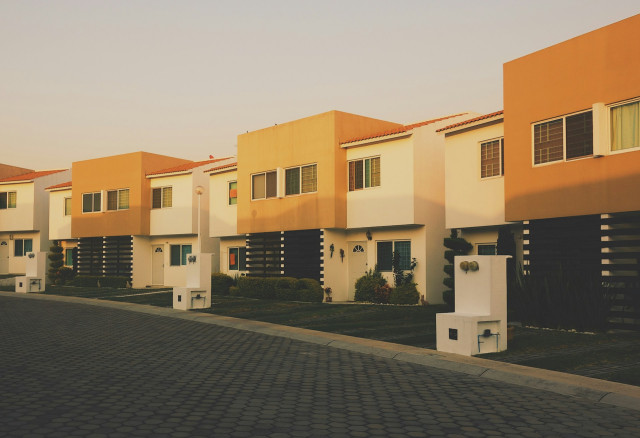
Incremental Housing vs Traditional Housing: Key Differences
The housing sector of urban development has two fundamental approaches which are traditional housing and incremental housing.
Property owners need to obtain traditional housing at full completion prior to taking possession because it arrives completely finished.
People who pursue incremental housing have the option to construct and develop their homes step by step as they overcome financial limitations and experience changes in requirements.
These approaches differ in their financial aspects as well as social aspects and planning requirements which lead to their suitability in specific cultural and economic conditions.
Traditional residence usually requires strict urban planning methods coupled with non-flexible expenses which demand elevated entry costs.
Such living arrangements provide instant stability and standardized infrastructure alongside intended amenities that best match middle-to-high-income financial groups.
There exists a significant affordability barrier that prevents low-income families from acquiring finished homes during the rapid urbanization process.
Incremental housing allows families to build their homes by portions using available funds at different times.
The process brings advantages to communities consisting mainly of poor residents or informal settlements because residents obtain immediate shelter while they design future construction phases.
The sense of ownership coupled with long-term investment both drive community development in the neighborhood.
The system suffers from irregular infrastructure standards and insufficient regulations and varying quality in housing improvements.
This blog studies the cost-effectiveness together with building practices and transformation potential and social implications of these methods.
The discussion investigates the sustainability aspects between incremental and conventional habitation construction protocols regarding their contributions to city development as well as neighborhood resiliency.
Policymakers alongside urban planners should adopt strategies which harmonize financial accessibility with social well-being and sustainable development through their understanding of these critical distinctions.
Affordability and Financial Accessibility
The financial arrangement used by traditional and incremental housing models differs primarily through their ability to serve low- and middle-class families.
Incremental Housing: Lower Initial Costs and Flexible Investment
The method of incremental housing enables individuals to own property at affordable expenses.
Homeowners began housing construction with basic structures which they increase afterward through financial growth.
The model proves advantageous for families with limited resources since they lack significant savings and large housing loans.
People who use this approach gain financial benefits which include:
- Beginning families can construct necessary housing units first before making periodic improvements.
- A monetary advantage of condensed homes emerges through their ability to bypass expensive mortgages and building fund requirements.
- Many organizations together with governments allow people to access low-interest microfinance loans for home expansion.
Through incremental housing microfinance models that received support from India and Kenya along with Brazil more residents gain opportunities to make their homes better through financially stable methods.
Traditional Housing: High Upfront Costs and Mortgage Dependency
Access to traditional housing remains out of reach because its initial cost requirements prevent individuals from lower-income brackets from affording it.
Buying a house demands upfront payment or long-term financial institution loans as mortgage loans.
The complete housing solution delivered by this method creates obstacles that homeowners need to navigate.
- The purchase process through traditional home ownership produces substantial financial debt which extends beyond short-term boundaries.
- Traditional mortgages deny eligibility to numerous low-income families during their lending process.
- A buyer who acquires home ownership under this approach becomes restricted from modifying the planned design features and costs.
People with middle and high incomes can benefit from traditional housing as a ready-made living solution while lower-income families cannot afford expensive real estate commitments.
Construction Approach and Housing Flexibility
Traditional construction methods stand apart from the approaches used in incremental housing development and these systems feature dissimilar flexibility levels.
Incremental Housing: Progressive Development
The construction of incremental housing occurs through successive additions to an original core house unit which homeowners build first.
This approach provides:
- The housing design allows individual homeowners to expand property based on their financial scope and design preferences.
- The households can help construct the property themselves to decrease construction labor expenses.
- Economic fluctuations enable residents to focus first on essential house upgrades and extend building plans cautiously.
Patients in Quinta Monroy Chile receive their foundation unit which features necessary utilities then carry out home expansion based on their financial progress.

Traditional Housing: Fixed Construction and Standardized Design
Every aspect of a traditional housing project must be constructed in advance prior to its residents taking possession.
This method includes:
- Built-in fixed designs together with restricted layouts make it hard for customization.
- Professionally managed construction leads to excellent building quality at a higher expense.
- Following project completion homeowners cannot easily make changes because of strict regulations.
Traditional house construction provides established stylistic rules combined with structural stability at the cost of reducing flexibility found in incremental methods.
The residents of traditional housing structures face considerable obstacles when they want to make modifications beyond what requires extensive home renovation expenses.
Community and Social Impact
Both incremental and traditional housing influence community dynamics and social interactions in different ways.
Incremental Housing: Stronger Community Engagement
Buildings within incremental housing projects grow through community-based systems that unite residents to construct and develop their residential areas.
This leads to:
- Communities share governance power for developing essential public works that include roads alongside sanitation systems.
- Construction and expansion work at family homes becomes more successful through positive family ties that develop between them.
- The housing conditions of residents gain direct powers through participatory urban development.
Residents of Thailand implemented the Baan Mankong Program through community self-development initiatives with backing from local public institutions.
Traditional Housing: Individualized and Pre-Planned Communities
Real estate companies together with government agencies normally design traditional housing developments which produce the following effects:
- Limited resident involvement in planning.
- The separation of residents emerges from the rigid design of neighborhood housing divisions.
- Private ownership receives attention rather than collective resource sharing.
Traditional housing establishes structured urban spaces but these developments normally resist resident participation similar to incremental planning.
Long-Term Sustainability and Urban Planning
The process of developing housing requires sustainability to be considered because it influences the environment while controlling urban growth patterns.
Incremental Housing: Organic Growth and Resource Efficiency
Incremental housing proves to be a successful method for sustainable urban growth due to following key points:
- Housing development proceeds efficiently by utilizing present community areas.
- Homeowners select recycled materials as well as materials from local sources for their projects to minimize environmental effects.
- Flat areas show flexible development due to local environment adjustments.
The absence of proper regulations in certain situations may result in spontaneous new settlements that can develop into densely populated areas with restricted service access.
Authorities need to back the growth of incremental housing through planned urban development policies for lasting environmental sustainability.
Traditional Housing: Structured Development with Higher Environmental Costs
Traditional housing developments apply pre-designed urban arrangements creating the following outcomes:
- Proper placement of infrastructure systems includes roads and public utilities and transportation systems.
- Proper zoning regulations together with reduced unchecked growth help minimize problems in the sector.
- Higher energy efficiency due to professional construction standards.
Traditional housing strategies demand extensive land deployments together with substantial resource requirements which reduces its capability to adjust to population changes and economic transformations.
The Role of Government and Policy in Incremental Housing Development
The success of incremental housing as a housing solution for low- and middle-income families relies fundamentally on policies adopted by the government together with strategic urban planning and appropriate funding instruments.
The absence of sound policy structures together with institutional backing leads to uncontrolled development of incremental housing which produces both informal residential areas and insufficient infrastructure.
The following section analyzes the partnership structure between governments and local authorities with policymakers for enabling incremental housing development while fostering its integration with urban planning initiatives.
Government Support for Incremental Housing
Public authorities throughout the world adopt incremental housing as a practical and environmentally friendly method to grow cities.
Their role includes:
- When authorities provide legitimate land ownership rights to homeowners through land allocation they establish secure foundation for homeowners to proceed with confident investments in their incremental housing projects.
- Public infrastructure development requires continuous provider of roads along with sanitation facilities electricity systems and clean water for sustainable housing.
- The government should apply adaptable building rules and zoning codes to allow home growth without facing excessive administrative hurdles.
- The process of home growth for many families residing in such housing requires access to low-cost financing through microfinance schemes. Buildings in this model can receive support through governmental programs of low-interest loans coupled with subsidies and housing grants.
For proof that state-authorized housing extensions work effectively, one can look to Thailand as well as Brazil and India since these nations established successful policies.
Challenges in Policy Implementation
When policymakers execute incremental housing policies poorly they create conditions leading to unregulated urban growth as well as slum developments.
Some key challenges include:
- People who reside in informal settlements among families in incremental housing risk eviction because their land ownership rights remain unclear.
- The absence of proper government support leads incremental housing areas to develop inadequate infrastructure and experience substandard sanitation and non-existing paved roads and insufficient public service delivery.
- Home improvement progress of low-income families is slowed by their restricted opportunities to obtain financial support or microfinance services.
Successful implementation of incremental housing demands governmental systems which enable homeowners to perform safe and legal expansions without impairing urban organization or environmental sustainability.
The Future of Incremental Housing: Innovations and Sustainable Growth
Urban housing challenges find their solution through incremental housing approaches yet modern technological developments and increasing urban populations revolutionize this model with innovative sustainable methods for its future advancement.
The next-generation incremental housing model will improve through smart technology integration and eco-friendly construction along with community-driven development initiatives.
Smart Technology Integration in Incremental Housing
The adoption of smart urban planning by cities allows incremental housing to utilize modern construction technologies alongside affordable digital innovations.
- 3D Printing for Affordable Housing: ICON and New Story lead the development of 3D-printed homes which simultaneously lower housing construction expenses and develop homes faster for incremental development projects.
- Incremental housing receives sustainable power from solar panels and decentralized biogas systems alongside rainwater collection as efficient water supply solutions.
- The combination of digital financing systems creates secure financial technologies which enable trusted property ownership registration through mobile banking and block chain-based databases.
Technological advancements serve to connect informal housing with urban living standards thus improving the efficiency and accessibility and eco-friendliness of progressive housing developments.
Sustainable Materials and Eco-Friendly Construction
Building incrementally requires adherence to green building methods in order to minimize environmental damage.
Key trends include:
- Building with bamboo together with compressed earth blocks and recycled bricks provides sustainable and local sourcing options that give cost-effective durable solutions.
- The incorporation of passive cooling technologies alongside energy-efficient house design enables homes to use shaded courtyards and natural ventilation and green roofs for reducing air conditioning requirements.
- Growing urban areas can conserve water through two systems which combine greywater recycling with rainwater harvesting methods.
Cities that adopt sustainable approaches in their housing growth initiatives simultaneously achieve lower carbon emissions combined with sustainable pricing and endurance.
The Role of Communities in the Future of Incremental Housing
Success in incremental housing development continues to depend on the involvement of community members. In the future, we will see:
- Various entities including non-governmental organizations will link their forces with government agencies alongside private sector investors to pursue social housing construction.
- Housing cooperatives which share property ownership help everyone bear reduced housing expenses.
- Flexible urban planning laws through smart governance along with policy reforms represent the necessary elements for governments to support the inclusion of incremental housing in metropolitan development plans.
Challenges and Criticisms of Incremental Housing
The flexible affordable homeownership system known as incremental housing deals with major hurdles and societal objections.
Incremental housing needs to advance through multiple barriers which include regulatory constraints together with land ownership complications alongside infrastructure limitations and social prejudices if it wants to achieve sustainable growth.
1. Legal and Regulatory Barriers
Several nations face a significant challenge because their countries do not have well-defined legal bases that support incremental housing.
Common issues include:
- The majority of incremental housing starts at informal settlements thus results in homeowners acquiring no official land rights. Besides putting them at risk of forced relocation.
- Strict building regulations within urban policies cease traditional home construction methods thus restricting expansions of families' homes.
- Incremental housing development occurs independently from established formal urban plans because of this disconnect.
Governments need to reform zoning regulations through better flexibility and enable simpler building permission systems and provide enhanced land ownership protection to support incremental development.
2. Infrastructure and Basic Services Deficits
Such housing developments begin with minimal infrastructure that can transform into bad living conditions unless proper measures are taken to rectify them.
Key issues include:
- Numerous incremental housing communities face significant health dangers from insufficient water supply and defective sanitary systems and inadequate water filtration services.
- Bad neighborhood designs cause transportation problems because they lead to poor road conditions and no public transport systems.
- Unstable power supply and digital exclusion in informal settlements prevent residents from accessing economic opportunities because of limited access to electricity and the Internet.
Public entities and non-government organizations need to develop shared infrastructure improvement plans that enable residents to construct houses according to their own time schedules.
Infrastructure development projects within incremental housing areas can be funded by public-private partnerships (PPPs).
3. Social and Economic Challenges
The low cost of incremental housing attracts criticism from society because it relates to poverty and informality as well as lower social standing which results in:
- The residents of incremental projects encounter discrimination based on stigma because they experience restricted access to vital services and encounter social segregation from traditional housing residents.
- The construction pace of homes within incremental housing becomes slow since homeowners build houses at their individual pace affecting neighborhood visual appeal.
- The home expansion process becomes delayed because low-income homeowners encounter difficulty acquiring bank loans or microfinance services.
Sustainable urban development through incremental housing requires financial programs focused on inclusion alongside community outreach and educational efforts for the promotion of this housing model as a legitimate solution.
Conclusion
The global housing crisis finds effective resolution through incremental housing because this approach combines affordability with flexibility and community-based ownership.
To reach its maximum potential governments together with urban planners and financial institutions need to take these three steps.
- Legal ownership protections and land rights should exist to stop informal settlement residents from getting forced out of their homes.
- Local authorities should direct their investment toward roads and utilities and sanitation services in developing housing communities in phases.
- The implementation of microloans and housing subsidies gives families an opportunity to expand their homes through time because these flexible financing options help families progress in their homeownership goals.
Public awareness programs should work to eliminate social judgment while educating the public about their advantages.
Through appropriate policies backed by financial support and active community involvement incremental housing will transform into a widespread housing solution that offers safe housing to millions of families.
Cities that combine innovation with sustainability strategies will embed incremental housing solutions into their extended urban development restrictions to build better communities for future generations.
Also read: How Incremental Housing Works: A Step-by-Step Guide














LEAVE A REPLY