

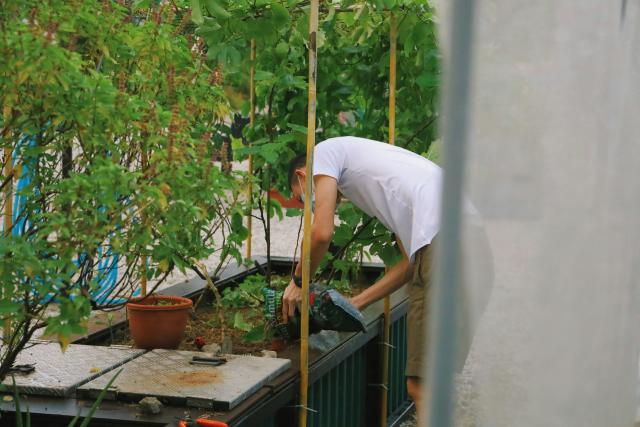
Incremental Housing and Urban Farming: Combining Housing and Food Security
Home construction in small portions together with urban food cultivation creates a synergistic solution to resolve two primary problems affecting poor communities—high housing costs and limited food accessibility. The incremental homebuilding process enables family members to construct their residences over time allowing them to grow their own food through urban farming systems which simultaneously solves housing costs and provides nutritious self-grown food as well as preserving the environment. These combined strategies establish urban communities that achieve community resistance which enables better living standards through secure access to essential food supplies.
This blog examines how urban farming together with incremental housing operates as an approach by examining these crucial factors: first analyzes food security improvements through urban farming schemes for residents of incremental housing zones and then looks at economic advantages and sustainability dimensions and also investigates functional examples demonstrating its feasibility.
Urban Farming as a Tool for Food Security in Incremental Housing Communities
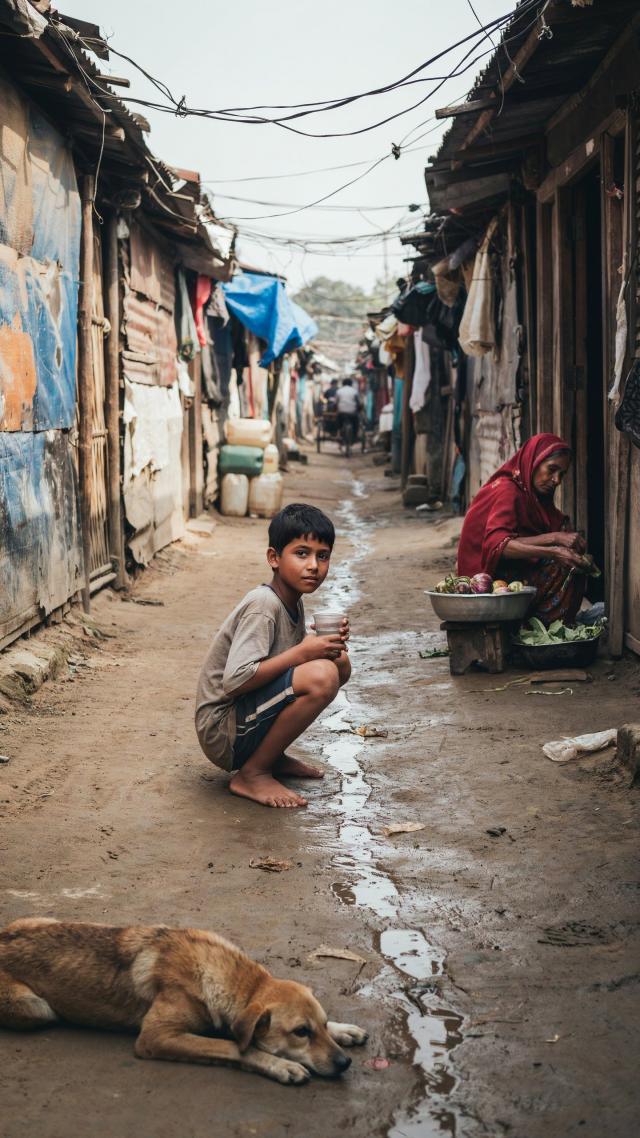
A lack of food security exists as an urgent problem throughout urban informal settlements because the residents lack enough money to obtain healthy food along with restricted access to food markets as prices rise. Urban farming integrated into incremental housing developments enables residents to produce their food while establishing self-reliance from distant food networks and securing continuous access to fresh produce.
The most accessible approach to integrating agricultural practice in cities functions through vertical gardening and rooftop farm systems. The small available agricultural sections in low-income communities make container gardening with hydroponic and aquaponic systems perfect for farming. People who live in urban areas can utilize their front or back balconies together with rooftop areas or courtyard sections as vegetable gardens to plant various herbs and fruit trees and salad plants. Urban dwellers who lack extensive land access can still produce food for themselves by adopting this method in dense neighborhoods.
Residents share access to community gardens that exist within the premises of incremental housing developments. The community gardening spaces create an environment where neighbors build alliances while creating food together and pooling their resources to increase access to nutritious food. Such gardens provide excellent opportunities for families that lack individual gardens to engage in food production activities.
A compelling solution involves incorporating farming operations within architectural building constructs. Some new incremental housing designs feature integrated planters while providing rooftop greenhouses and vertical agriculture amenities. Homeowners who incorporate food production areas into their living environment during all construction phases can maximize their space efficiency and integrate food-growing areas with their residence from the beginning.
The practice of urban farming provides both fresh food access and better nutrition results for impoverished families. The resident of informal settlements buy processed food instead of fresh produce because they must use their limited funds to buy inexpensive products. The cultivation of leafy greens combined with tomatoes and peppers and beans enables families to obtain nutritious foods for better dietary health and reduced malnutrition effects while achieving better wellness results.
Urban farming initiatives in incremental housing communities receive vital backing from both local governments as well as non-governmental organizations (NGOs). Mothers and families in these communities emerge empowered through microloan programs and training programs also receive seed distribution projects that help them build small-scale agricultural projects. The success of urban farming operations in informal settlements becomes greater through government programs that introduce land-use provisions and irrigation licenses together with expert guidance.
Families who bring urban farming to incremental housing create self-reliant communities while improving food security which minimizes economic challenges together with food scarcity.
Economic and Environmental Benefits of Urban Farming in Incremental Housing
Such farming practices within urban housing bring dual benefits of economic gains and environmental sustainability for sustained community resilience.
The major financial advantage which arises from urban farming includes income production. The residents within informal settlements who earn limited incomes experience unstable employment while facing inconsistent financial streams. They benefit from urban agriculture because producing extra crops lets them generate earnings through local sales to neighbors and markets along with small businesses. Beyond individual farming some communities build farming coops to support joint management which creates a structure for distributing economic wealth while sustaining availability of food for residents and families.
Some urban residents supplement their income from selling produce by performing food processing activities which include herb drying along with homemade sauce and vegetable pickling operations. The small-scale enterprises create stability in the economy and generate local jobs for community residents. The practice of urban farming decreases household expenses because residents save money on groceries which they can effectively use to enhance their home infrastructure through incremental development.
The establishment of urban farms leads to increased community strength against economic hardships and crises. When financial difficulties strike the food prices generally increase which causes the most burden to low-income families. The self-enabling food production mechanism established in incremental housing neighborhoods protects inhabitants from unstable food costs along with food scarcity challenges.
The practice of urban farming inside incremental housing developments serves dual purposes of protecting against environmental damage while sustaining ecological systems. The establishment of urban farms generates green spaces which lower city heat island temperatures and increase air quality while supporting urban biodiversity. The combination of rooftop gardens and vertical farms creates natural barriers that decrease the need for heating and cooling systems in homes.
Urban farming becomes a platform that enables better waste management along with enhanced resource utilization. The sustainable practices adopted by incremental housing communities include using composting systems and collecting rainwater and managing organic farming operations for improved sustainability measures. The conversion of food waste along with biodegradable materials through composition produces rich soil while diminishing the accumulation of waste in landfills. Household water transformed through greywater recycling systems enables residents to water their gardens thus reducing residential water demands as well as improving personal self-reliance.
Furthermore, urban farming fosters a stronger connection between the people and their environment. Residents who practice home food cultivation experience increased knowledge of sustainable actions combined with heightened awareness about proper land usage methods and ecological preservation efforts. Community centers and schools in incremental housing settlements employ urban farming as an educational platform to teach about nutrition alongside sustainability and self-chore capabilities to their students.
The dual advantages in economic gain and environmental advantage create a powerful mechanism to boost incremental housing developments which results in thriving urban residential areas with better health and sustainability.
Case Studies: Successful Models of Incremental Housing and Urban Farming
Multiple global projects feature examples which prove the successful combination of incremental housing with urban farming for better lifestyles and financial prospects and secure food supplies.
Elemental built Villa Verde which represents an outstanding example of Chilean architecture. The project features homes with expandability features which provide residents with opportunities to enhance their residential buildings progressively. Residential areas in many neighborhoods have been converted by families into urban gardens so people can grow their own fruits, vegetables and medicinal plants for food security improvements.
The Baan Mankong Housing Program in Bangkok enables poor neighborhoods to improve their informal housing through group participation. Urban residents transform surplus areas into vegetable-growing sites to cut their house food costs while getting additional monetary benefits. These local farming activities receive support from the government through agricultural training coupled with financial support and farm land distribution.
The urban farming initiatives in Kibera Kenya enable residents to obtain optimal use of limited space through combined practices of sack gardens vertical planters and hydroponic systems. Household farming techniques make it possible for families to create food gardens in environments which lack available land. Through local organizational initiatives residents obtain seeds together with farming materials and educational programs resulting in continuous crop cultivation.
Various initiatives located in Colombia together with India and Philippines serve as examples of how integrating agriculture with housing development works across various cultural environments and economic circumstances.

Community Participation in Incremental Housing and Urban Farming: Strengthening Social Bonds and Collective Growth
The achievement of incremental housing together with urban farming largely depends on active involvement from the local community. Participation of residents in housebuilding along with communal farming initiatives leads to better community bonds and home ownership feelings as people support one another. The effort made collectively proves necessary for developing communities that are both sustainable and resistant to outside influences.
Community members establish cooperative housing initiatives to initiate change in numerous informal settlements. Members of each family work together to stepwise design and build housing units while sharing their abilities and assets to decrease costs. Communities maintain urban gardens as well as communal green spaces and neighborhood farming cooperatives through their cooperative approach.
Community-controlled farming efforts significantly decrease food scarcity issues for the population. Community members joining forces to grow their cultivated land size produces greater crop variety which results in fresh produce accessibility for everyone in the area. Members of collective initiatives can develop their skills because they exchange information about sustainable farming practices alongside learning efficient irrigation techniques and organic food production methods from each other.
Planet-based agricultural spaces function as social gathering spots which allow residents to connect and build stronger social bonds among themselves. The combination of economic crises with fast-paced development typically results in social divisions throughout multiple urban regions. The establishment of community gardens enables neighbors to bridge the gap between each other through shared collaboration practices. These projects deliver significant advantages to children and elderly people along with unemployed residents since they offer meaningful activities through education and allow them to make useful contributions to community welfare.
Participatory urban farming initiatives help marginalized populations together with women through providing access to resources which builds their path to economic independence. Women lead household food production yet receive optimal support to establish themselves as leaders of urban agricultural initiatives for better family financial situations.
Public organizations and governments should back training initiatives as well as reward neighborhood farming partnerships and assemble local farming associations to grow participation levels. These programs are essential for developing orderly farming methods which will ensure urban agriculture remains sustainable throughout incremental housing developments.
When communities participate in housing and farming developments they create dynamic independent living areas which enable residents to fulfill their requirements and develop enduring friendship and economic ties.
Government and Policy Support for Sustainable Urban Farming in Incremental Housing Projects
Strong government support along with established policies serve as essential elements for the successful combination of incremental housing and urban farming projects. When lacking support from institutions alongside restricted access to water, land, financing, and skilled tutorials these initiatives face challenges to grow into lasting operations.
Urban farmers in informal settlements encounter stable land tenure as their main crucial obstacle. Households receiving low income reside in fragile residences that expose them to possible forced eviction or relocation. Government institutions need to legalize both residential use and farming applications to grant secure long-term ownership status to residents who can thereby make investments in their dwelling and agricultural work.
The integration of agricultural zones needs to be included as part of housing development plans by urban planning policies. Urgent action by cities requires an understanding that urban farming stands as vital for sustainable urban development so they need to create physical spaces for neighborhoods to develop rooftop gardens as well as vertical and community agricultural systems. Local authorities should amend zoning regulations to let householders practice modest home farming operations at no cost to them.
The growth of urban agricultural practices in incremental housing needs substantial financial backing from government institutions. Government support through microfinance programs and agricultural material subsidies as well as tax advantages will motivate poor families to adopt sustainable farming approaches including hydroponics aquaponics and composting systems. Governments together with NGOs along with private enterprises need to develop public-private initiatives that back urban agricultural projects.
Development of necessary infrastructure remains crucial to urban farming success. Every incremental housing community requires government-provided services including clean water supply and advanced irrigation systems together with appropriate waste disposal facilities. All urban farming settlements should adopt rainwater harvesting combined with greywater recycling and composting operations as their regular cultivation methods.
The sustainable development of urban agriculture requires educational programs which support agricultural training for permanent success. Building agricultural education centers by governments and organizations will provide residents with modern farming techniques that are resilient to climate changes. The programs find placement within schools and community centers as well as housing cooperatives to maintain the transfer of urban farming information across multiple generations.
Major urban initiatives that promote policy-based urban agriculture programs exist in different cities across the globe. Urban agriculture in Cuba has strong government backing through farming cooperatives which secure food supplies to thousands of urban families. The Singaporean government provides financial support to rooftop and vertical farming operations that aim to enhance both food supply and land efficiency.
Through modern housing policies combined with agricultural practices governments can create thriving conditions for low-income populations so incremental housing projects establish their own food sources and cope with environmental needs.
Final Thoughts
The combination of incremental housing and urban farming delivers effective solutions to problems with urban development while providing security against food scarcity and reducing poverty. The combination of housing affordability methods together with sustainable food-growing techniques enables cities to convert slums into flourishing independent neighborhoods.
A comprehensive success of this method depends on collaboration between multiple stakeholders. The development of incremental housing requires joint efforts between community involvement and government backing combined with innovative urban planning to create both housing shelters and a base for economic growth and environmental sustainability and food security systems.
The correct implementation of policies accompanied by infrastructure and community engagement systems will make urban development focus on providing dignified housing and food cultivation opportunities to low-income families who can then build social and economic resilience.
Conclusion
A combined strategy between urban farming and incremental housing provides marginal communities with the double advantage of solving their housing requirements alongside their food supply needs. This approach permits residents to construct their homes step by step and develop food gardens in their property which leads to economic resistance together with environmental sustainability alongside social unity.
People who participate in urban farming secure food accessibility through affordable fresh produce production which decreases market costs while delivering better nutritional outcomes. Housing agricultural practices also function as a business opportunity for families to produce garden products which they can market for property improvements. Sustainable practices in incremental housing communities become stronger because of environmental advantages that include minimized waste, cleaner air and optimized resource management.
Succeeding approaches around the world show that uniting residential and agricultural functions creates two successful outcomes. North-Government institutions with Non-Government Organizations and city planners need to establish policies that enable urban agriculture and offer land access as well as maintain sustainable growth inside informal residential areas.
A holistic approach between cities enables them to develop resilient communities which combine affordable living spaces with fresh nutritious foods thus leading low-income families to achieve dignity through a prosperous lifestyle.
Also Read: The Role of Urban Farming in Feeding Growing Populations














LEAVE A REPLY