

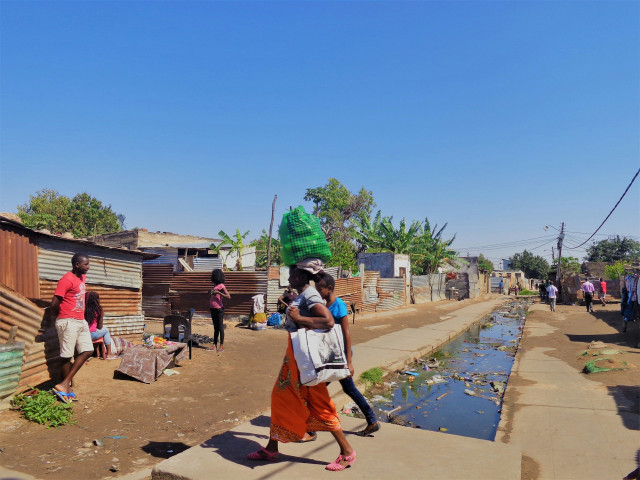
How to Improve Sanitation in Slums: Low-Cost Waste Management Solutions
The lack of adequate sanitation exists as a crucial problem in worldwide urban slums because residents do not have access to basic waste management systems or hygienic facilities.
The absence of proper sanitation creates multiple health threats such as diseases and polluted water which also produce severe environmental consequences that become a significant public health emergency.
Simple low-cost solutions for waste management can restore safety along with health benefits in residential areas.
The article presents information about sanitation problems in slum areas and demonstrates affordable solutions to manage waste effectively using real-world examples of established programs.
Understanding the Sanitation Crisis in Slums
1. Overcrowding and Lack of Infrastructure
The core attributes of slum communities include high residential density combined with insufficient basic support facilities.
Most areas lack:
- Proper drainage systems
- Toilets and sewage facilities
- Waste collection services
2. Open Defecation and Poor Waste Disposal
The lack of toilet facilities in residential areas leads homes to practice open defecation which poses significant danger of contracting waterborne illnesses including cholera, typhoid and diarrhea.
The disposal of solid waste in open areas causes environmental contamination throughout these spaces.
3. Contaminated Water Supply
Ungoverned waste water from sanitation services combines with drinking water reservoirs triggering comprehensive sickness throughout the affected areas.
The elderly population and children face the greatest risks from this situation.
4. Lack of Awareness and Resources
The slum dwellers lack basic hygienic knowledge but the local government has insufficient funding for large-scale sanitation projects because of inadequate resources.
Well-priced along with locally organized solutions become essential to address the existing problems.
Low-Cost Waste Management Solutions for Slums
The improvement of sanitary conditions does not necessarily require modern infrastructure.
Several affordable yet innovative approaches for solving slums have been deployed across different areas worldwide.
1. Community-Managed Toilet Facilities
Open defecation becomes less prevalent because communities can use public or community toilets instead of having their own household facilities.
Successful Model:
- The payment system for toilets enables both hygiene maintenance and operational expenses solution.
- Bio-Toilets transform human waste into biogas which helps decrease environmental degradation.
- Mobile Toilets include portable toilet units which personnel can shift according to demand.
Sulabh International in India built more than 1.5 million efficient sanitation facilities in urban slum areas to enhance proper sanitation practices.
2. Eco-Friendly Waste Management
The process of recycling waste products with composting allows for efficient waste management practices.
Low-Cost Initiatives:
- The community composting pits enable residents to deposit organic waste that gets transformed into farming compost.
- Plastic waste collection activities by waste picker’s leads to financial benefits when they sell recovered materials for recycling purposes.
The Kenyan "Gjenge Makers" process alters plastic waste into sustainable building elements which defend the environment and generate employment situations.
3. DIY Hand washing Stations
Hand washing stands as a critical health practice inside slum territories since residents have restricted access to water sources.
Low-Cost Solutions:
- Foot-operated water dispensers named Tippy Taps employ recycled materials to provide users with drinking water.
- Soap Banks: Community-based soap donation and distribution programs.
- Rainwater Harvesting for Washing: Collecting rainwater for non-drinking purposes.
Installing Tippy Taps as water dispensers in Bangladesh slums led to a 40% decrease in diarrheal disease cases.
4. Low-Cost Sewage Treatment
The establishment of small-scale waste treatment facilities replaces large centralized sewage systems in slums.
Innovative Approaches:
- Community wetlands containing planting systems provide natural filtration of wastewater.
- The filtering process of domestic sewage by bamboo shows both effectiveness and affordability.
- The Pit Latrine equipped with a Soak Pit provides a basic sewage disposal solution within a single controlled system.
The success of this initiative occurred when Kenya implemented wetlands treatment systems in Kibera that cleaned waste water to improve drinking water quality in neighboring settlements.
5. Engaging Waste Pickers and Informal Workers
People in slums have independently employed waste collectors who already operate in these communities. Enhanced power given to waste workers increases the effectiveness of waste management programs.
How to Improve Their Role:
- An improved professional environment becomes possible through cooperative formation for waste pickers.
- The organization offers both protective gear along with hygiene training sessions.
- Payment processing technology has been implemented to compensate workers who collect usable waste items.
Official Brazilian recycling programs integrate waste pickers as certified staff who collect waste professionally while earning appropriate compensation to handle urban waste.

The Role of Technology in Sanitation Improvement
1. Mobile Apps for Waste Collection
The system provides basic applications through which residents can submit waste accumulation reports as well as service clean-up requests.
- Users in India can speed up garbage clean-up operations through the "Swachh Bharat" application.
2. Smart Toilets
Public toilets feature self-operation and waste treatment and water conservation capabilities.
- South Africa operates solar-powered toilet systems which benefit water preservation and promote sanitary conditions.
3. Digital Awareness Campaigns
Residents in slum communities could learn about correct hygiene and sanitation practices through the combination of WhatsApp messaging and SMS technologies with radio broadcast platforms.
Overcoming Challenges in Implementing Sanitation Solutions
1. Funding and Investment
Non-governmental organizations along with governments should offer micro-funding to communities for easing up sanitary projects.
2. Cultural and Social Acceptance
Programs focused on sanitation need to take into account cultural practices of the community to gain approval and practical adoption.
3. Government-Community Collaboration
Who effectively implement such strategies local entities should team up with neighborhood-based organizations.
Conclusion
Improving sanitary facilities in slums stands as fundamental for overall health as well as personal dignity and the protection of the environment.
Down-to-earth waste management technologies combining community toilets along with composting methods and waste reprocessing systems and decentralized sewage systems present opportunities to boost standard of living.
A seamless partnership between local governments and NGOs and community groups must establish permanent solutions which remain affordable as well as accessible and sustainable.
Initial investments in specific initiatives can produce clean and healthier living facilities which ultimately lead to improved existence for a large group of people.
FAQs
1. Sanitization improvements remain crucial for slums because of what reason?
The absence of proper sanitation causes diseases which along with polluted water produces harmful effects on the environment. More effective sanitation creates improvements in personal health while adding both economic value and personal dignity.
2. What stands as the cheapest method to enhance sanitation quality within slum communities?
Organized sanitary facilities together with waste composting and recycling initiatives represent affordable approaches to primary sanitation problems.
3. What structures and resources does government leadership require to enhance slum-based sanitation?
Governments can:
- Fund low-cost sanitation projects
- Legislation together with regulation should be implemented for waste picker cooperatives
- Support public awareness campaigns
Also read: Slum Schools: Challenges and Innovations in Education for Marginalized Children














LEAVE A REPLY