

Africa has one of the most complicated displacement issues in the world where millions of people have been displaced because of the war, climate change, economic crises and the calamities in nature. With the constantly increasing displacement, the necessity of safe, affordable, and sustainable housing solutions is more urgent. The refugees and internally displaced people (IDP) usually find themselves in congested camps, informal settlements or temporary shelters that expose them to poor health conditions, insecurity and fewer economic opportunities.
A house is not just a building but a symbol of dignity,
stability, protection and a place of restoration of lives. To solve this
crisis, it is necessary to think innovatively, plan in the long term, and join
efforts among governments, humanitarian organizations, and even individual
displaced groups. Africa There have been a number of projects - dubious modular
housing at one end of the scale to community-constructed eco-houses at the
other - to show what can be achieved when affordability is combined with ingenuity.
This blog discusses scalable, realistic and culturally applicable housing
solutions that can be used in supporting the displaced populations in Africa.
Each section discusses a particular approach or issue,
providing an insight into the things that work, the things that need
improvement, and the way these solutions can influence the humanitarian future
of the continent. Having known the challenges and possibilities of resettling
the displaced, Africa can be a step closer to establishing stable resilient
communities in which everyone can live.
Understanding the
Scale of Displacement in Africa
Conflict, natural disasters and social-economic forces have
contributed to some of the largest displaced populations in the world as seen
in Africa. Millions of individuals in countries like South Sudan, Democratic
Republic of Congo, Somalia, Ethiopia and Nigeria among others have been
displaced according to various humanitarian reports. Such an enormous number
puts significant pressure on host societies and national infrastructures, which
in many cases form new spheres of vulnerability. The experience of displacement
in Africa is hardly a transient situation; most of the people reside in refugee
camps or in informal settlements where they cannot access many of the basic
needs including healthcare facilities, education, and clean water. The problem
is further exacerbated by urban migration whereby cities are now receiving huge
numbers of displaced families in search of safety and opportunity that are
driving the sudden growth of the informal and uncontrollable housing.
Climate change further increases the crisis with droughts,
floods and desertification pushing rural community to regions that are already
strained. Knowledge of the magnitude and intricacy of displacement play a
fundamental role in coming up with housing solutions that are not merely
affordable and cost efficient but also flexible to different geographic and
cultural settings. The scale of the problem requires the implementation of
complex strategies that would support the short-term integration of populations
in displacement with temporary housing and socio-economic integration in the
long run, which will be applicable to the entire continent.
The Challenges of
Providing Adequate Shelter
Many challenges are closely related that make provision of
proper housing to the displaced populations in Africa difficult. First, there
are funding constraints which inhibit the development of long-term solutions,
and many interventions depend on the short-term emergency shelters which soon
fall into bad conditions.
Second, construction is hindered because of logistical
limits which include poor infrastructure, isolation, and scarcity of building
materials. The political unrest and insecurity in conflict prone regions also
pose a challenge to the execution of services by humanitarian organizations in
a secure environment. Cultural and environmental factors are also to be taken
into consideration; standardized housing models might not be appropriate in
local climates, local living patterns, or local community-building patterns.
Also, availability of land is an issue that persists. In most parts, the
displaced families do not have any legal rights to land and thus they find it
hard to construct permanent houses. Large numbers of incoming populations may
feel a threat to host communities thus causing tensions that have to be handled
carefully.
Another challenge is
the absence of integrated planning, such that, without adequate roads,
sanitation, schools, and markets, housing can never make communities
sustainable. Lastly, climate change raises the number of disasters that destroy
shelters and relocate families over and over again necessitating a resilient
yet flexible housing solution. The best way to overcome such challenges
involves a holistic approach that entails more than just building physical structures
but creating inclusive, sustainable and context-sensitive communities.
Government Policies
and Regional Collaboration
The role of governments in Africa in creating the aspect of
housing of the displaced people is very important. Though there are countries
with progressive policies that promote integration of refugees and their access
to social services, others become limited by the available resources and
political instability. Good housing policies demand proper policy frameworks
that would direct land distribution, building specifications, financing, and
permanent integration of communities. The cooperation on a regional level is
also very vital.
The African Union and regional blocks like IGAD and ECOWAS
encourage coordinated action in response to displacement to enable countries to
share best practices and resources. It is worth noting that cross-border
cooperation is especially crucial when refugees relocate across neighboring
states, and it results in mutual accountability. Other governments have started
to pursue inclusive policies which can enable refugees to work, avail
themselves of government services and even own property- measures which enable
sustainable growth in housing development.
Nevertheless, there are still a lot of policies that are
either scattered or poorly implemented, which prevents development. A
decentralized approach to the region would enhance the distribution of
resources, facilitate humanitarian activities, and promote investment in
scalable housing solutions. The reinforcement of governance and the development
of transparency as well as the establishment of the partnership between the
state and the company will play a decisive role in turning the provision of
housing to the displaced into not only a humanitarian endeavor but also a
strategic aspect of national growth and stability in the African continent.
Community-Driven
Housing Approaches
Involving the local people in the planning and construction
process of the affordable housing is one of the best methods of developing
affordable housing to the displaced populations in Africa. Community-based
approaches will be using local expertise, skills, and cultural norms which will
result in solutions that will appeal to the individuals that will end up
occupying such spaces. A number of the displaced or homeless have skills in
building, carpentry, and other trades which have the potential of greatly
lowering the cost of buildings and encouraging ownership and empowerment.
Communities become the creators of their own housing
initiatives by being involved in their own development, which instills feelings
of dignity and agency among those who are passively receiving various social
services and transforming them into active participants. Timber, clay, bamboo,
compressed earth blocks are often locally available materials, and hence the
community houses use them as key elements of their constructs, making them
climate friendly and economically sustainable in the long run. The involvement
of communities in participatory design workshops, inclusive processes of
decision-making and planning, also contribute to better social cohesion and
make the housing settlements more functional and culture-specific.
Also, such strategies have the potential to offer people who
have lost a home livelihood opportunities in camps or host places, enabling
them earn income as they construct their homes. Community-driven housing does
not just represent a type of construction but it is a very strong means of
re-establishing lives, restoring hope and enhancing social resilience of
displaced people in the continent.
Innovative Low-Cost
Construction Technologies
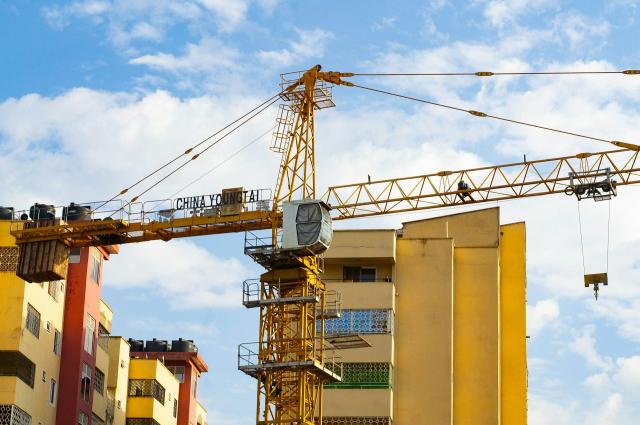
The concept of innovation has become one of the backbones in
the affordable housing solutions in the African continent, with new
technologies enabling humanitarian agencies and governments to construct the
durable shelters at a fraction of the conventional prices. Low-cost modular
housing, 3D-printed houses and prefabricated buildings are on the rise as fast
and scalable responses to displacement disasters. Modular units can be easily
assembled quickly, and they can be changed according to the number of people
living in the family and weather conditions. The Compressed Earth Blocks (CEBs)
are constructed out of the local soil and require a small amount of cement
which poses an ecological alternative to the bricks, and also cost much less to
construct.
Certain organizations are now making use of the recycled
plastic to make strong building panels which are lightweight but durable. The
3D printing technologies that are still emerging have been shown to be capable
of building houses in a few hours, but can only be used in areas that have the
required infrastructure. The frames made of lightweight steel and
bamboo-reinforced structures are other alternatives of cost-effective and
climate-friendly housing. Off-grid technologies and solar-powered roofing systems
are used to address the problem of energy, which makes sure that the homes are
not left useless even in isolated places. Some of the technologies may be
initially costly but the advantages of speed, durability and low cost of labor
that come with the tools in the long run make them a potential tool to solve
the increasing displacement crisis in Africa in an effective and sustainable
manner.
Urban Integration for
Refugees and IDPs
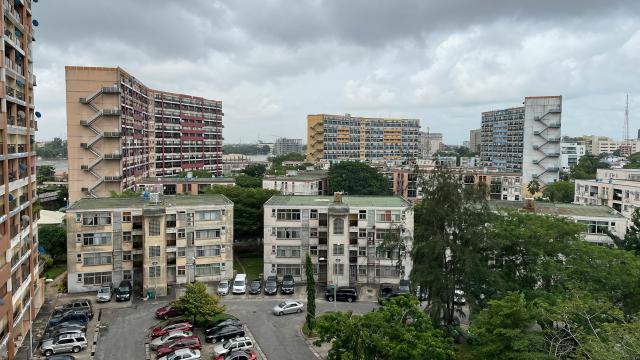
With the urbanization process in Africa today going at an
unparalleled pace, urban accommodation of the displaced populations has become
a crucial housing policy. This is because in urban settings, there are more
opportunities to find work, access healthcare, education and social services
than in the rural camps. Nevertheless, the integration process may be fast,
which may overstretch already existing infrastructures, forming overcrowded
slums and putting a strain on already existing resources. Cities need to
embrace the idea of inclusive housing policies where the displaced people are
not seen as liabilities but as assets to the city in order to have successful
urban integration. This can be achieved by affordable rent schemes, government
housing schemes and subsidies to the private developers to construct low-cost
housing units to alleviate the pressure on urban markets.
Updating informal
settlements, increasing sanitation, and increasing city transit also help host
communities, as well as displaced families. In some cities in Africa, they have
created mixed-use residential areas in which the residents are refugees and
locals, creating cultural exchange and eliminating social conflicts.
Availability of legal documents is also critical as it will enable the people
who are displaced to get housing contracts and prevent exploitation. Including
climate resiliency, the creation of jobs, and the involvement of communities in
the planning process, urban planning would become the key to success in the
long term. Well implemented, urban integration will turn displacement into a
growth, innovation and tighter city economies throughout Africa.
Role of NGOs and
International Organizations
Such organizations as non-governmental organizations and
international bodies are at the center stage of solving the displacement
housing crisis in Africa. The access of the financial means, technical skills,
and ground support to construct temporary and permanent shelters is integrated
with the organizations UNHCR, IOM, the Red Cross, and a great number of local
NGOs. They usually enter the scene at the emergency-response level whereby
prompt preparation of tents, tarpaulins, and modular shelters are critical in
saving lives. As time passes, these agencies move to the long-term initiatives
that address the aspects of community stabilization, development of
infrastructure, and livelihood.
NGOs often implement
new methods of building, educate the local people, and make communities
involved to make them sustainable. They also participate in advocacy, which
compels governments to introduce inclusive policies and allocate land to
displaced people. Moreover, international bodies carry out research work,
observe housing situations, and prepare guidelines that can direct the
international best practices. They incorporate new technologies and sustainable
designs into housing projects with their partnership with private companies and
academic institutions.
NGOs tend to run out of funds, encounter bureaucracy, and
politics though they have critical roles to play. The elements to enhance the
partnership with governments and other parties that are interested in the
success of housing programs should be viewed as the means to multiply the
positive outcomes of the success of these programs and guarantee the long-term
influence on the population displaced across the area.
Sustainable
Eco-Friendly Housing Solutions
The issue of sustainability is on the rise in the designing
of housing to accommodate displaced populations particularly those that are
prone to climate change. Green housing solutions aim at using renewable
materials, energy efficiency, and environment conservation at low costs. A good
idea to consider is to use earth-based technologies like rammed earth, adobe
and compressed earth blocks which would offer the benefit of natural insulation
and would need little energy to make. Other sustainable materials are also the
bamboo, which is strong, affordable, and renewable.
Green roofing
structures are beneficial in regulating the temperatures in the buildings
besides promoting biodiversity. Off-grid energy systems and solar panels make
societies independent of the conventional power sources and this guarantees
constant power supply to cook, light up their homes and maintain communication.
Eco-sanitation units and rain-water harvesting can help in conserving water and
enhancing the health of people. Sustainable designs also focus on ventilation,
shade and climate sensitive designs, which enables homes to be comfortable
during severe weather without the costly cooling systems.
In addition to environmental advantages, eco-friendly houses
make communities resilient as they do not need external materials, foreign
funding, etc. These solutions provide a space to employ locals and train skills
to ensure that displaced people are transformed into active agents in
construction of long lasting and strong houses. Finally, sustainable housing
combines affordability and responsibility to the environment and is the way
forward to healthier resilient settlements in Africa.
The Path toward
Long-Term Resilience
Housing solutions that are long term should extend beyond
the physical infrastructure to include the general social and economic
requirements of the displaced populations. Resilience entails provision of
education, employment and self-reliance. The displaced families can reconstruct
stabilized productive lives through housing projects that are combined with
schools, health centers, markets, and transport infrastructure. Legal status
and land rights are also vital in seeing to it that refugees and IDPs have confidence
in putting their money in their homes and communities.
Livelihood programs
(vocational training, micro-enterprise support and agricultural programs)
assist families in earning income, as well as getting less dependent on
humanitarian aid. Effective community governance systems enable residents in
the community to govern common spaces, solve disputes and present their
interests. Government-NGO- and even private investor partnerships are necessary
to ensure long-term development. Planning of the cities that consider disaster-risk
mitigation as well as climate adaptation aids in avoiding displacement in the
future.
Conclusion
The displacement of African populations and how to house
them is one of the more urgent humanitarian issues of Africa, yet also a major
chance of innovation, collaboration, and sustainable progress. The options
discussed in this blog, such as building community-driven and eco-friendly
housing, modular technologies, and reforms in the regional policy, prove that
affordable housing is not only possible but can be expanded in the
comprehensive perspective. Displacement does not necessarily imply continuous
instability, through appropriate investments and planning, they can make it
possible to have the refugees and IDPs live with dignity, security, and
opportunity.
The long-term
stability demands co-operation among governments, non-governmental
organizations and communities in creating housing to facilitate social
cohesion, economic empowerment, and climate change adaptation. In the face of
the challenges of displacement that Africa will continue to face, a more
sustainable and inclusive approach to housing will be necessary to create a
more progressive and stable future. Through the people-oriented development,
the continent will be able to transform shelter as a mere need into a source of
hope, recovery and sustainable prosperity.








LEAVE A REPLY