

Housing has become a primary investment resource in Africa
as it is now occupying a distinctive niche between economic opportunity and
social development. With the continent experiencing one of the highest urban
transitions in the world, millions of individuals are flocking into cities
which are yet to provide their needs. This change has led to housing shortages
in virtually all the African countries and this has necessitated both
government and private investment. Concurrently, it has made real estate
especially residential property a stable and appealing asset category. Housing
is not solely about its commercial worth, but it has human dignity, stability
and community well-being associated with it.
The two facets of housing as a commodity and as a
fundamental human right make it a heavily consequential industry. Rental
income, capital growth and increasing demand are prospects of long term returns
to investors. Governments find a chance to solve the housing shortages, boost
the local economy, and improve societies. Better quality of life, security and
generational wealth are realized in families. This blog will detail the
prospects and the social consequences of investing in housing as an investment
asset in Africa whose landscape is changing at a very fast pace. It considers
the drivers of the sector and ponders on how the investment in housing can spur
inclusive, equitable and sustainable growth on the continent.
The Urbanization Boom
and its Housing Investment Consequences of Africa.
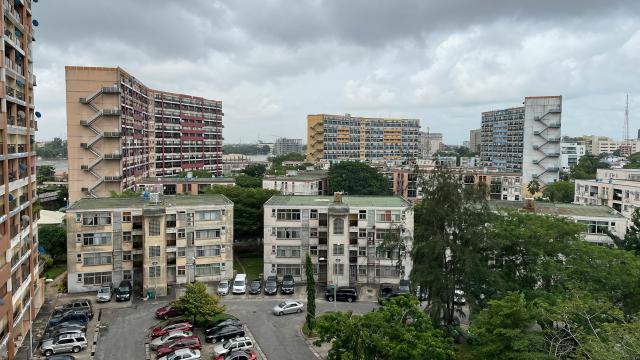
Africa is going through one of the most vigorous
urbanization patterns across the world. The growth rates of cities are
unprecedented and it is estimated that by 2050, over fifty percent of the
entire population of the continent will reside in cities. This population
change has its challenges as well as opportunities on housing investment. Urban
centers are hard pressed to handle the numbers of people as millions of
individuals go out in search of jobs, education, and better lives. The
imbalance of demand and supply is contributing to the increase in the price of
urban land and the rents, which makes housing one of the most demanded and
profitable investments.
To investors, this boom is a long term market with the
demand of rentals and owned houses on a constant basis. The expansion of the
low, middle and high-income housing markets is driven by the development of
young and high energy populations. Meanwhile, the governments and development
agencies are realizing the necessity to aid in urban planning, infrastructure
development and housing delivery systems. Nevertheless, there are also some
dangers of rapid urbanization: in case the investment is concentrated exclusively
on the high-income population, it can make the inequality even more severe. The
dilemma is that which comes first is profitability and then social
responsibility. As population growth rates are carefully considered, and full
inclusion is ensured, the urbanization wave in Africa can become a major
contributor to the equitable development of housing and sustainable growth of
investments.
African Housing as a
Stable Appreciating Investment Asset.
Housing is generally considered as a secure investment tool
and more so in Africa whereby the demand is too high compared to the supply.
The residential property offers investors two flows of value, namely long-term
capital gains and monthly rental incomes. In most African cities, land
shortage, low supply of formal houses and the increasing population in the
cities have caused an upward trend of property price. Housing usually holds its
value even when the economy is uncertain as it is one of the necessities. This
is what makes it a comparatively safe choice to individuals and institutions in
need of diversifying their portfolios.
The rental markets also provide investors with steady
returns. Urban high occupancy is contributed by young professionals, students,
migrant workers as well as middle-income families. Also, diaspora communities
tend to spend a lot of money on residential housing as a way of developing more
long-term connections with their native lands and establishing
intergenerational wealth. The resilience of the sector has been high despite
the challenges encountered in the sector which include fluctuations in currency,
construction expenses and funding constraints. Housing is not a type of
property, but rather a key component of economic life. Its stability coupled
with the demographic momentum of Africa makes housing one of the most promising
long term investment opportunities in the continent.
Affordable and Social
Housing Development Opportunities
One of the biggest untapped market opportunities in the
African real estate market is affordable housing. Most households are not able
to afford the high end or even the mid-range housing development and the market
supply and the actual demand differ by a huge margin. Such a vacuum is not only
an indicator of a huge social need but also an indicator of a significant
business opportunity to attain through innovation by investors. As governments
focus more on low cost housing, investors are able to take advantage of tax
breaks, government subsidized land, infrastructure assistance, and the marriage
of the government and business.
High rate of population growth, migration into urban areas
and increased cost of living, fuel demand of affordable housing. Due to the
high formal housing prices, most of the low-income families have to resort to
informal settlements where they do not have sanitation, electricity, and secure
tenure. As it builds affordable housing the investors may transform by filling
these inequalities and accessing a vast but stable market segment. The
affordable housing is becoming possible due to the innovative ways of
construction, including modular building, prefabrication and low-cost
materials. The low-income earners are also slowly getting into the property
ownership through micro-mortgages and flexible financing models. Affordable
housing is not a business opportunity, but a social impact platform that will
provide millions of people on the continent with safer and healthier and more
dignified living conditions.
The Role of Mortgage
Finance and Access to Credit in Driving Housing Investments
One of the most important issues that affect housing
investment in Africa is mortgage finance. The mortgage penetration in most
countries is very low (usually less than 5) as the rate of interest is very
high, the period of repayment is short and, the eligibility is very stringent.
This hinders the growth of formal housing markets as not all people can afford
homes due to this restricted access to credit. Nevertheless, it is this
challenge that presents possibilities of financial innovation. With banks, fin
techs, and governments striving to increase housing finance opportunities, new
models are coming into existence that can enable people to own a home.
The tech firms in the financial sector are also using the
Internet to evaluate creditworthiness to enable the workers in the informal
sector, who constitute a significant part of the African labor force, to access
loans. Governments as well are also coming up with housing guarantee programs
and mortgage refinancing programs to help more risk reduction and decrease
borrowing costs. These reforms encourage new housing construction and provide
better forecasts to the investors. The access to finance will become better,
enabling families to accumulate assets, increasing the stability of a
community, and making the real estate industry overall more robust. African
countries can realize all the potential of housing investment, making
residential property the instrument of economic empowerment, and financial
security by making credit more accessible.
Effects of
Infrastructure Development in Housing Value and Investment Potential.
The extent to which infrastructure development is affecting
the housing value and the potential of housing investments within the African
continent is immense. Roads, electricity systems, water systems and the public
transport, not only determine the way people live but also where the investors
would want to establish themselves. In cases where new highways, rail lines or
even expansion of airports are established, the areas around these developments
tend to experience booming increase in land and property price. This opens
strategic possibilities of early investors to ride on growth. The issue of
inappropriate infrastructure is a significant obstacle to housing development
in most of the African cities. Bad roads, unstable utilities, and limited
transportation increase the cost of construction and decrease affordability of
the inhabitants.
But the investments in infrastructure, whether initiated by
the government or in the framework of the public-private contracts can change
the whole region. As an example, the extension of electricity and water to the
peri-urban communities can make the developers comfortable to construct massive
housing estates. In the same way, better transportation infrastructure will
lower the commuting period hence making life in the suburbs more viable to
working families. These developments ensure that there is a healthy development
in the city and avoid overpopulation in urban areas. To investors it is
important to ensure that housing projects are geared towards the planned or
current infrastructure projects to maximize returns and to be viable in the
long run. Finally, infrastructure is not a supportive factor, it is a core
driver of housing values and community development.
Africa Threats and
Opportunities in Housing Investors
However, despite the prospects, the African housing industry
has a number of threats that an investor has to steer through. One of the
largest issues is the uncertainty of regulations. In other countries, land
tenure is either complicated or not well documented and property acquisition is
slow and dangerous process. Any delay during the issuance of permit, zoning,
and construction license may also influence the project schedule and higher
costs. Other threats to investment returns include political instability and
economic instability such as inflation and devaluation of currency.
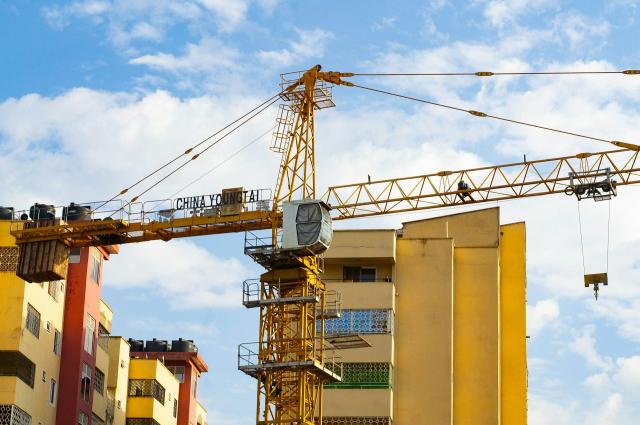
The construction issues are also important. Expenses
involved in construction of high-rise buildings, scarcity of skilled workers
and logistical limitations may increase costs and decrease profitability. This
is also accompanied by some inconsistencies in building standards across some
of the regions which bring about the issue of quality that may derail the
building value in the long term. To international investors, the mitigation of
these risks is by managing the partnership, learning about the local market
dynamics and conducting due diligence.
With these challenges, lots of investors are able to achieve
the success which comes with strategic moves that include forming partnership
with reputable local developers, using insurance products, and participating in
a phased development. Future investor confidence can be also improved by the
use of transparent governance, risk-sharing mechanisms, and high levels of
legal protection. Despite the challenges, they can be overcome especially when
the investors embrace informed, adaptive, and community-based strategies.
Social Housing
Investment on Communities.
The social implications of housing investment are extremely
vast and far-reaching in terms of financial benefits. When it is carried out in
a responsible manner, it may change communities by uplifting the standards of
living, boosting the health of people in those communities, as well as creating
a stable social environment. Provision of quality housing also minimizes
congestion, decreases the spread of diseases, and improves the general health.
It also gives a feeling of security to the families and they can develop roots,
invest in education and take long term objectives. The residential developments
can also become an excellent catalyst to the local economies as they create
employment opportunities during construction and finance businesses after
communities are established.
Nevertheless, there are also adverse social effects of
housing investment, which, nevertheless, can be avoided in case of thoughtful
management. The luxury developments can either push out the low-income earners
or lead to the gentrification of the neighborhoods rendering them unaffordable
to those who were living in the area. Inclusive planning is the only way that
profit-seeking will not increase inequality. Investors thus have the obligation
of involving communities and doing all they can to make it affordable and also
to make sure that the housing developments resonate positively with social
integration.
Well-planned investment, backed up by inclusive city
planning and social protection will transform housing to a means of
empowerment. Investors enhance the creation of healthier, more resilient and
economically dynamic communities by enhancing access to decent living
conditions. Finally, housing development ought to improve the financial value
as well as human well-being.
The Future of Housing
Markets and the role played by technology and innovation.
The African housing markets are being transformed by
technology. Technology is enhancing transparency and accessibility to
purchasers and investors alike on issues related to digital property listings
to virtual home tours. Landlords, developers and tenants can now better
transact business using proptech platforms. This saves administration costs and
enhances minimization of fraud- which is a major issue in less formalized
markets. Some of the new methods that are used in the construction industry
include prefabricated materials, modular housing, and 3D printing that assists
in lowering the costs and speeding up the construction timeline. Such practices
promise a lot in terms of dealing with the huge housing shortage in the
continent.
Fin techs are also developing innovative financing of
houses. They are expanding mortgage access to millions of informal-sector
workers formerly locked out of the mainstream banking systems by means of other
credit-scoring technologies and mobile payment systems. Smart housing
technologies, including systems of solar energy, digital security systems, and
smart meters, are enhancing the quality and sustainability of houses.
All these technological innovations make work more efficient
and less expensive, and provide a wider range of access to finance. Technology
will keep redesigning the residential construction, purchase, financing, and
management as it gains more adoption. This technological transformation makes
Africa ready to be more accommodative and modern and responsive in the housing
sector.
Policy Reforms and
Public-Private Partnerships in Strengthening the Housing Sector
Africa needs proper policy frameworks that will unlock the
potential of the housing sector. Governments have a critical role to play in
enacting rules that allow effective allocation of land, property security, and
simplified approval. Over the last few years, a variety of reforms have been
implemented in many countries to ease bureaucracy, enhance the land titling,
and encourage the development of affordable housing. The reforms help to
predict more favorable environment to investors and to speed up the rate of
housing delivery.
Public-private partnerships (PPP) have become effective
mechanisms of dealing with housing shortages. Governments will tend to offer
land, infrastructure or subsidies, whereas the private developers will provide
capital, expertise or operating capacity. PPPs are also financed by development
finance institutions which provide long term funding, risk guarantees and
technical assistance. These partnerships have already been successful in the
broadening of affordable and social housing programs in a number of African
nations.
Conclusion
It is a huge opportunity in Africa, housing as an investment
asset due to the speed at which urbanization is taking place, population growth
and dynamics in the economic conditions. Affordable housing to technologically
advanced developments, the industry presents a variety of opportunities to the
investors and at the same time covers one of the most urgent social needs of
the continent. However, the monetary returns of housing are not the only
valuable aspect of housing. It acts as a determinant of communities, health
outcomes and even plays a direct role in the human dignity and stability.
Investors, policymakers, and communities should, therefore, collaborate to make
housing development inclusive, sustainable and in line with long term social
objectives.
Africa can maximize the potential of its housing sector by
ensuring that mortgage systems are made stronger, expansive infrastructure is
developed, technologies are tapped, and clear governance measures are
encouraged. But, after all, housing is not just an asset: it is a source of
social development and economic change. The future of African cities does not
lie in the intensity of the investments, but in the way that investments have
to be thought of.




















LEAVE A REPLY