

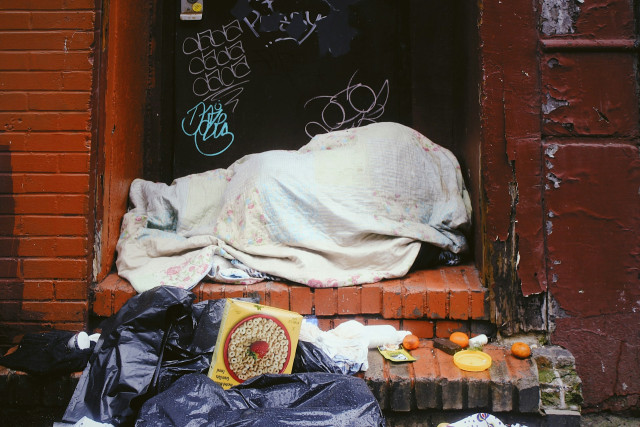
Healthcare in Dharavi: NGOs Fighting Disease in the Slum
Among Asian slums Dharavi ranks as one of the largest and contains about one million residents in its overcrowded unsanitary environment.
The high number of residents together with improper sanitary services and restricted water resources leaves people in the community exposed to many sicknesses.
Healthcare facilities operated by the government fail to serve all the people who need medical care therefore creating a major medical service deficit.
The disease-prevention work along with medical help and awareness programs which NGOs establish through their extensive presence represents an essential contribution to addressing this medical deficit.
Their ongoing dedication saves numerous lives as they work to enhance the health situation among Dharavi residents.
The State of Healthcare in Dharavi: Challenges and Struggles
Many difficulties confronted Healthcare in Dharavi. Medical facilities in Dharavi face the most significant shortage among all healthcare services.
The reputed hospitals located throughout Mumbai are displaced from the neighborhood of Dharavi which creates transportation challenges for Dharavi residents.
The administrative medical centers of Dharavi experience overcrowded waiting spaces because of insufficient staff which produces prolonged delays and insufficient health care services.
The area suffers significantly because disease infections are widespread. The conditions of poor sanitation along with unclean drinking water supply and crammed housing characteristics enable Dharavi residents to acquire infections from tuberculosis, dengue, malaria, and respiratory diseases.
Dense slum populations faced heightened risks during the COVID-19 pandemic when the coronavirus became an uncontrollable threat because social distancing proved impractical.
The main health risks among slum residents stem from infectious diseases yet chronic medical conditions including hypertension along with diabetes keep growing in number.
Children together with many other residents face poor nutrition because of financial struggles alongside their insufficient knowledge about healthy eating habits.
People who reside near industrial units within Dharavi face health problems because they are exposed to dangerous chemicals that cause respiratory symptoms and skin conditions.
A limited number of residents has access to healthcare services they can afford. Most working-class citizens cannot pay medical fees at private hospitals and public healthcare fails to meet their needs.
Local unprofessional medical practitioners provide care to numerous people without proper qualifications leading to incorrect diagnosis and worsening of their health problems.
Pivotal medical assistance to the community has been provided by NGOs due to the existing medical service difficulties.
Role of NGOs in Providing Medical Aid and Support
Lacking sufficient government healthcare presence makes NGOs the main providers of medical support in Dharavi.
The organizations establish mobile healthcare facilities which operate through free medical services while distributing essential medications for those who require them.
The numerous NGOs team up with medical personnel including doctors as well as nurses and volunteers for their support operations.
NGOs developed mobile health clinics as an efficient healthcare program. The mobile medical facilities provide necessary healthcare access because residents lack financial means for hospital visits.
These facilities provide diagnosis and treatment of minor diseases through their basic medical supplies and medicine inventory until serious cases require further medical attention at hospitals.
The attention of NGOs includes maternal and child healthcare where they guarantee pregnant women will obtain suitable prenatal care combined with nutritional support and assistance after birth.
The slum area's high infant death rate improves when nonprofit organizations operate birth assistance and critical care services through their programs.
Child and adult disease prevention education is supported through NGO-operated awareness programs.
The combination of hand washing with soap and water along with water boiling and safe waste management prevents many types of infections.
NGOs enable resident community members to become empowered through educational initiatives so they gain a dual capacity to treat diseases and stop them from spreading.
The vital work of NGOs includes partnering with government health schemes. Most residents within Dharavi fail to recognize that government medical aid programs exist for their benefit.
Through NGOs residents can access Ayushman Bharat Yojana free healthcare coverage as the organizations guide them to enroll in this program beneficial to underprivileged families.
The initiative helps residents receive medical treatments of any specialization without financial obstacles.
Combating Specific Diseases: Focus on Tuberculosis and Malaria
Dharavi residents experience the highest occurrence of tuberculosis (TB) and malaria which are its two main diseases.
The substandard living environment throughout the years has kept these two diseases continuously active while they have killed many people.
Non-governmental organizations (NGOs) have introduced special programs to fight diseases and provide early medical assistance with appropriate treatments.
Tuberculosis continues to spread through the air because of overcrowded living areas such as Dharavi. Inhabitants who dwells in homes with inadequate air circulation face increased chances of catching illnesses.
The incomplete completion of TB medication leads to drug-resistant bacteria because patients either lack awareness or struggle with payment for their medicines.
The entry of NGOs into the area means both door-to-door screenings as well as free diagnostic tests along with medication completion support for patients.
Malaria represents a severe health issue because infected mosquitoes obtain their breeding locations in stagnant water.
The deficient drainage system in Dharavi causes standing water that provides spaces for mosquitos to multiply.
NGOs combat this problem through mosquito net distribution and both fumigation activities and education about site elimination for breeding areas.
Simple health prevention methods including water container covering and mosquito repellent application reduced disease occurrence rates.
Dengue fever as a health problem continues its expansion at a time when malaria also persists through mosquito transmission.
The activities of NGOs combine residential collaboration with facility cleaning for treating breeding sites.
The programs teach people to detect early warning signs which direct them to seek prompt medical evaluation in order to avoid complications.
Thousands of people have survived due to the disease management efforts made by NGOs. Both government support together with private organizations need ongoing assistance to eliminate diseases from Dharavi.
Mental Health Awareness and Support in the Slum
People in Dharavi rarely address mental health problems although physical health issues frequently become popular topics of discussion.
Frequent depressive and mental health disorders like anxiety have increased because of poverty-related stresses along with inadequate job security and domestic violence and substance abuse conditions.
Very little mental health assistance exists within the community because the discrimination associated with mental health issues keeps most people from asking for help.
Organizations dedicated to non-profit activities have started addressing this matter by establishing counseling services and support groups and educational programs.
Resident therapy sessions that are free of charge are delivered by qualified psychologists and social workers helping residents deal with stress and trauma.
Children raised in difficult environments receive mental health assistance such as play therapy and art therapy and community-based care through NGOs to foster their emotional health.
The problem of substance abuse including drug and alcohol addiction continues to worsen in Dharavi. People use substances to escape the difficult living environment and lacking job prospects in Dharavi.
The goal of NGOs is to restore individuals by establishing substance de-addiction programs combined with skills-based trainings followed by job placement services to help people get back on their feet.
Non-government organizations address mental health concerns which benefits both emotional welfare of residents and develops a stronger resilient community.
The long-term goal requires the public to freely discuss mental health topics while actively working to eliminate mental health stigmas.

The Impact of Poor Sanitation on Public Health in Dharavi
Sanitation plays a fundamental role among the factors which impact public health in Dharavi.
The densely populated residential space containing over a million people lacks adequate sewage systems and waste management and clean water solutions resulting in the breeding of multiple diseases.
The public health consequences resulting from inadequate sanitation practices lead to raised death tolls together with new disease development while damaging the general health status of the population.
The main health issue in Dharavi involves waterborne diseases that create widespread illness.
The population depends on unclean sources of water since they cannot access safe water supplies.
Drinking or cooking with unclean water causes residents to develop illnesses including cholera, typhoid, dysentery and other different infections.
Children face unique vulnerability to such illnesses since multiple infections lead to severe dehydration and undernutrition in their bodies.
NGOs have made chlorine tablets available while teaching water-boiling techniques to residents but the waterborne disease situation persists widely.
The lack of sanitation exposes people to severe vector-borne illnesses as an important health consequence.
The situation of both stagnant water and clogged drains alongside garbage dumps functions as an optimal breeding site for mosquitoes that trigger persistent malaria and dengue fever outbreaks.
The slum faces poor drainage functionality that leads to widespread waterlogging throughout the monsoon period thus elevating the number of possible infections.
The core drainage and waste management problems require immediate federal involvement after NGOs conduct their scheduled fumigation practices and mosquito net distributions.
Inadequate toilets remain an urgent problem across the area. The lack of personal bathrooms in Dharavi compels residents to queue up at crowded public restrooms which remain poorly maintained.
Given their basic physical needs women and children experience the hardest time because they must spend extensive periods waiting for access to sanitation facilities.
It is essential to understand that non-hygiene toilet facilities result in urinary tract infections and kidney problems and enable the transmission of fecal-oral diseases.
The available resources struggle to meet the overwhelming demand for community toilets which NGOs have established.
The poor condition of sanitation facilities results in numerous respiratory health problems while producing high rates of skin infections throughout the community.
Residents endure regular tuberculosis and chronic bronchitis and fungal infections when they remain exposed to pollutants in addition to open sewage and unclean living spaces.
The combination of industrial waste materials transported with household trash produces worse air quality conditions that result in extended health problems.
The essential problem of waste management requires improvement despite many non-governmental organizations who perform mask distribution and conduct hygiene education.
Many organizations must work together as a single unit with the government and private companies to enhance Dharavi's sanitary conditions.
Extension of public toilet infrastructure combined with efficient sewage system construction and water purification installation remain essential elements for sustainable improvement.
Waste segregation and recycling programs organized by the local community help improve overall hygiene standards in the region.
The Role of Technology in Transforming Healthcare Access
The healthcare services in Dharavi continue to advance through the essential role of technological innovation.
Modern telemedicine technologies enable patients to receive medical counsel remotely while easing the overcrowding problems at medical centers in their area.
People can monitor their medical data through mobile health applications which also allow virtual medical consultations.
Digital health records established by NGOs enable the smooth accessibility of patient information for efficient medical treatments.
Dharavi's healthcare system benefits from technological integration which creates an efficient healthcare network with enhanced connection between healthcare providers.
Women’s Health and Hygiene: Breaking Taboos for Better Well-being
The health condition of Dharavi women remains poorly addressed due to inadequate facilities for sanitation along with insufficient education about reproductive health.
The majority of women face considerable difficulties regarding menstrual hygiene since they cannot purchase basic sanitary products.
Active NGOs operate to destroy social taboos by distributing free sanitary pads as well as carrying out programs about reproductive health.
The healthcare situation in Dharavi requires women to gain information and access to necessary tools to achieve better health outcomes throughout the community.
Child Healthcare and Immunization: Securing the Future Generation
The health of children residing in Dharavi suffers badly because of inadequate diet and insufficient vaccinations alongside improper sanitary conditions.
Unprotected diseases affect numerous babies because their vaccination schedule is incomplete.
The collaboration between NGOs and government programs guarantees that all children in Dharavi have access to fundamental vaccines together with required medical testing.
Health-related programs that provide nutrition and free school food encourage better child health outcomes while reducing the number of infants who die.
The essential base for building a strong community emerges from a healthy childhood thus Dharavi needs concentrated attention on healthcare for its development.
The Future of Healthcare in Dharavi: Moving Towards Sustainable Solutions
Healthcare conditions in Dharavi exemplify deep-rooted socio-economic divisions which exist across all urban areas of India.
Non-governmental organizations together with volunteers have extended essential care to the region yet the essential task demands building enduring healthcare solutions that will last.
Three specific factors including government intervention together with community participation and technological developments determine Dharavi's healthcare prospects for the future.
The implementation of sustainable healthcare requires governmental financial support to establish public health facilities.
The residents of Dharavi need additional hospitals in addition to better clinical infrastructure and more trained medical personnel.
The majority of healthcare facilities run by the government in the slum face two major problems: too few staff members combined with a scarcity of essential medications and difficulties handling excessive patient numbers.
The accessibility of residents will improve dramatically by expanding these healthcare facilities to offer either free or affordable medical services.
Healthcare policies along with insurance schemes need to undergo enhancements that will strengthen them.
The state must carry out an effective implementation of Ayushman Bharat and state-run health insurance plans throughout slums including Dharavi.
NGOs typically help explain health insurance schemes to residents yet a formal strategy will be beneficial to reach full coverage of affordable healthcare benefits for all members of the community.
Making healthcare accessible directly diminishes the heavy costs associated with medical care.
The development of healthcare services in Dharavi depends heavily on community involvement. Health-awareness initiatives must grow to allow residents at Dharavi to implement proactive disease prevention measures.
The combination of fundamental hygiene practices with vaccination education and correct waste management practices reduces the spread of infections effectively.
Organizations working for non-profits should strengthen health-minded behaviors through their partnerships with local schools as well as community leaders to drive change in this area.
Technology adoption along with innovative approaches will completely change the way healthcare operates in Dharavi.
Medical assistance reaches every location through telemedicine services and AI-based health monitoring and mobile health clinics operating in inaccessible areas.
Healthcare technology such as digital records coupled with artificial intelligence diagnosis tools allows authorities to track medical patterns and forecast disease risks so they can prevent health crises from happening.
The healthcare sector of Dharavi can achieve low-cost diagnostic instruments and digital consulting along with mobile medical services through startups and private institutions working in the field.
Achieving sustainable health care in Dharavi depends on resolving fundamental problems that emanate from poor sanitation together with environmental issues.
The government needs to spend funds constructing modern water delivery systems and waste management and pollution control equipment.
The natural correlation between environment health and population health will decrease the total amount of diseases affecting the community.
The future healthcare system for Dharavi needs multiple stakeholders who will collaborate jointly for development by applying government policies and NGO initiatives with technological advancements and population participation.
The continued work of NGOs has proven essential for short-term relief but permanent systematic improvements must be established to provide quality healthcare access to each resident of Dharavi.
Dharavi can transform into a template demonstrating how inadequate communities can reach greater wellness and accomplish better life conditions when appropriate financial resources combine with suitable policies.
Also read: Mental Health in Slums: Coping with Poverty, Violence, and Stigma



-3dkuLgKhRD.jpg)
-49HupTvwDD.jpg)



LEAVE A REPLY