


The Growth Of Affordable Housing Rentals In Nairobi: What Does It Mean For The Future?
Finding affordable housing has been identified as one of the
most burning issues of urban development in Nairobi which is a city that is
constantly growing at an alarming rate. Being the economic and administrative
center of Kenya, Nairobi every year receives thousands of new residents hoping
to find jobs, education, and improved opportunities. This fast urbanization has
led to a great demand on housing especially rental housing because most of the
newcomers and young professionals cannot or do not want to own their own
houses.
During the last ten years, there has been a clear change in
the housing markets in Nairobi. Although in the past high-end apartments and
gated communities were the main path of new development, more emphasis is
currently on affordable rental units targeting low and middle-income earners.
Increasing house value, unavailability of mortgage funds, and shifting
lifestyle trends have led to the growth of the rental industry. Simultaneously,
government policies, such as programs of the Ministry of Lands, Public Works,
Housing and Urban Development, have made affordable housing one of the national
priorities.
The implications of the growth of affordable housing rentals
are profound on the urban planning, social equity and economic development. It
determines the manner in which communities are structured, distribution of
infrastructure and accumulation of wealth.
This blog examines
the components that have contributed to the development of cheap rental houses
in Nairobi, involvement of government and the private sector, challenges that
the sector is facing, and the implications of this trend to the future of the
city.
The Rise in Demand of Rental Housing and Urbanization.
The high population growth in Nairobi is among the main
factors that have contributed to growth of affordable rental houses. Nairobi is
the capital and center of the economy in Kenya and as such, it makes a
significant contribution to the overall GDP of the country. It hosts large
industries, foreign firms and sub-regional offices of international bodies.
This is an opportunity concentration that has led to a constant rural to urban
migration.
Most of these new residents are the youths seeking
employment. Home ownership is not within reach because of scanty savings and
sporadic incomes. Mortgage products are not cheap and the criteria used in
qualification are high. Consequently, the most feasible alternative is renting.
This has pushed the need to have affordable apartments, bed sitters and studio
apartments in the neighborhoods like Embaksi, Kasarani and Roysambu.
Urbanization has also altered the household structures. The
reduction in family sizes and the postponement of marriages will increase the
number of single households, which will further enhance the demand of the
rental units at the expense of the large owner-occupied houses. As well, the
trends of the gig economy and remote work have made movement more appealing,
rendering renting more appealing than owning a property on a long-term basis.
The situation of informal settlements, such as Kibera, is an
indication of the never-ending lack of formal housing that is affordable.
Although informal settlements offer affordable housing, they have poor
sanitation, infrastructures and tenure security. The growth of formal
affordable rentals presents a possible way of decreasing dependence on such
settlements, as long as units are realistically affordable.
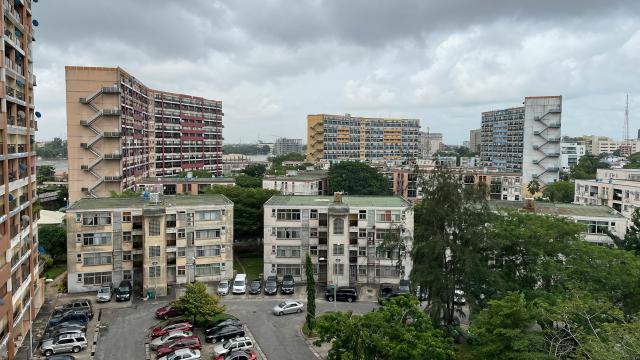
Due to this dynamism, developers have started to target
middle-rise apartment blocks in the peri-urban locations where the cost of land
is less. Better road systems and transport means have enabled people to commute
to these areas. This decentralization is also remaking the spatial development
of Nairobi and slowly relieving the city of its congestion.
The future of housing in Nairobi will predominantly be a
rental business as indicated in the further expansion of rental demand.
Investors and policymakers should thus have to change the way they approach the
sustainable rental markets which would be profit-driven yet socially
responsible.
Government Policies and Affordable Housing Programmes.
Affordable housing has been the centre stage of development
by the Kenyan government. Within the Kenya Kwanza Alliance government and
previous structures like the big four agenda, affordable housing was seen as
one of the pillars to economic growth and social stability.
Affordable Housing Programme (AHP) intends to provide
hundreds of thousands of housing units nationwide, with Nairobi being one of
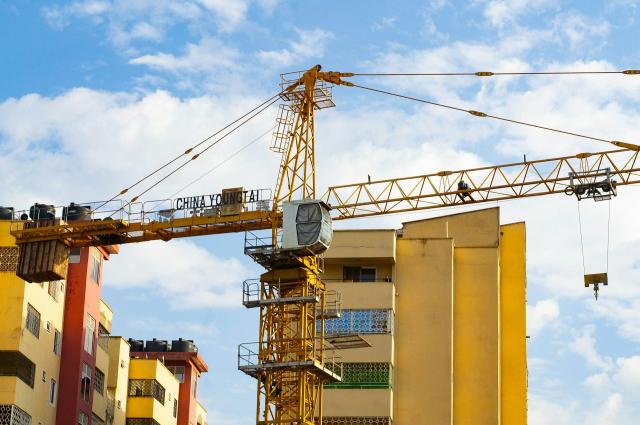
the major target areas. Big projects have been placed on the public land, and
collaborations with the private contractors have expedited the construction.
Projects in Pangani and Park Road are also an indication that they are striving
to swap ancient estates with new high density apartments.
Such efforts are gradually appreciating the value of rental
housing and not only home ownership. Although previous policies have been much
centered on the sale of the subsidized units, recent discussions are centered
on the relevance of structured, affordable rental programs that are supervised
by either a government agency or a controlled private landlord.
Housing levies are also policy instruments that the
government has put in place to be able to mobilise funds to finance low cost
projects. Nonetheless, these efforts have raised controversy over their
economic effects or lack of transparency on implementation. Accountability and
effectiveness of funds allocation will be very essential in ensuring that the
long term will be successful.
The overall strategy also includes regulatory reforms that would have the effect of simplifying land registration and construction approvals. The minimization of bureaucratic delays results in a reduced cost in development and the supply of affordable rental units becomes possible. Altogether, the role of government has indicated great political intentions. The trick is to turn grandiose aims into quality and affordable rental housing that actually benefits the low-income earners without imposing any unsustainable financial pressures.

The Role of Private Developers and Real Estate Investors
The housing market in Nairobi is dominated by the hand of
private developers. In the last ten years, the real estate investment has
caught the wave, owing to the increase in demand, and the comparatively high
returns. There are also developers who have moved away to less luxurious
apartment blocks that cater to the middle-income renters in residential areas.
Rental market is stable and companies and individual
investors are taking advantage of the stability. The rental income offers a
stable cash flow and a less volatile market as compared to property sales. The
settlements along the major transport corridors have become a hotspot in terms
of new development as a rental.
More institutionalized financing mechanisms have also been
created as a result of the development of real estate investment trusts (REITs)
and institutional investors. These instruments are still in their early stages
but may increase access to capital by large-scale low-end rentals.
Affordability is however a complicated matter. Nairobi has
many affordable, but most of them are too expensive to be afforded by the
lowest income earners. Developers have to strike a balance between cost
recuperation and the social impact. The new construction techniques, including
prefabricated materials, and homogenized designs, can save money without the
risk of affecting the quality.
Collaborations between the government and private firms also
have more potential. The public-private partnerships have the potential to mix
the efficiency of the state land offerings with those of the private sector.
Properly organized such partnerships have the ability to boost supply without
compromising the affordability standards.
Nairobi will still remain affected by the influence of the
private sector in the rental market. Having regulatory control, protection of
tenants and fair pricing mechanisms will be what will make the growth translate
to actual housing access by the majority.
Social Economic Impact of increasing Rentals.
The rise in the cheap rentals has enormous social and
economic impacts on Nairobi. Affordability to permanent housing enhances the
security of households, academic performance and health standards. The
well-planned apartments allow the families to enjoy better sanitation and
utilities.
Rentals are an economic boon because they initiate
construction, property management and maintenance work. It also increases the
labor mobility and workers can live near employment centers. This will help to
save on commuting time and enhance productivity.
Rental markets also are also involved in wealth
distribution. Although renters are not accumulating equity in the way that
homeowners do, low rents enable households to use their income on savings,
education, or entrepreneurship. This is flexible enough to promote economic
mobility.
Nevertheless, the uncontrolled growth of rentals can
overload in the infrastructure unless planned. Higher density also demands
sufficient provision of water, garbage disposal, educational institutions and
medical amenities. Planning in the city should therefore be sensitive to
housing development in relation to service delivery.
Another factor is social cohesion. Properly developed rental
communities have the potential to create inclusive neighborhoods with different
income groups. On the other hand, the high-density developments are poorly
managed and can lead to an intensification of social tensions.
Affordable rentals have a socioeconomic ramification that is
largely determined by the policy orientation, the level of investment in the
infrastructure, and proper management of the property. Rental development can
contribute to the resiliency and inclusivity of urban life when well-coordinated.
Challenges Facing the Affordable Rental Sector
Still, many difficulties do not allow the sustainable
development of cheap rentals in Nairobi. Prices of land are very high
especially in strategically placed locations. These costs are usually
transferred on to tenants by developers. Expansion is also constrained by
financing. The expensive interest rates make borrowing by developers more
expensive and thus not affordable. There is also the influence of currency on imported
construction materials.
Regulations and welfare of tenants need to be reinforced.
Casual rental provisions may put tenants at a risk of eviction or bad rent
hikes. There should be strict rules and regulations to safeguard endangered
families.
There are other barriers that are added by the
infrastructure gaps. A quick building process without a corresponding
development of roads, drains, and utilities may lead to congestions and
worsening of the environment.
Lastly, housing access is still influenced by economic
inequality. Even comparatively low rents might be unattainable by informal
employees. This affordability gap will have to be bridged by special subsidies
or social rental programs. These issues require concerted policy changes,
financial innovation and planning to tackle these challenges.
Infrastructure Development and Its Influence on Affordable Rental Growth
The nature of the developments in infrastructure is
important in determining the trend of affordable housing rentals in Nairobi.
With the city growing out of the city, agricultural infrastructure such as
roads, transit networks, water, electricity, drainage, and internet
connectivity are directly dictated by the location of affordable rental
apartments due to their size and quality. In the absence of proper
infrastructure even a well-planned housing project may end up being lonely,
overcrowded or underserved.
Other significant transformations in urban mobility have
been witnessed in the recent years with the completion of major infrastructure
projects like the Nairobi Expressway and the Thika Superhighway. The increase
in the connectivity has led to the development of the peri-urban areas into new
residential areas hence the neighborhoods that are located farther into the
central business district are more attractive to developers and tenants. With
reduced commuting time, the renters are the ones to be seen to be putting into
consideration housing facilities in the newly developed areas where there is a
relatively affordable land.
Availability of solid utilities is also essential. There has
to be the provision of stable electricity, clean water, and proper waste
management systems in the affordable rental houses. Poor service delivery can
strip the quality-of-life benefits that formal housing is set to offer. Thus,
the housing development should be well-coordinated with the county and national
infrastructure planning agencies.
Rental can be determined by the public transport systems as
well. When a low cost housing is close to the buses or rail links, the
occupants will save on transportation expenses, which have the effect of
enhancing their disposable income. The socioeconomic opportunities of the
rental development can thus be increased by coordinated planning to match
housing development with transport corridors.
Finally, infrastructural support is the key facilitator of
the low-cost rental growth in Nairobi. The efficiency with which housing
strategies and long-term infrastructure investment and spatial planning are
coordinated will determine sustainable urban growth.
The Future of Affordable Rentals in Nairobi.
In the future, the increase in the number of affordable
housing rentals in the city of Nairobi is an indication of a new structural
pattern in the way people live. Renting would continue to be the most prevalent
form of housing tenure among most residents especially the young generations.
The sector can also be changed further by technological
innovation. On-line property sites, smart rent payment systems, and smart
building designs have the capability of improving efficiency and transparency. The
future developments will also be influenced by sustainability. Green building
requirements, energy efficient architectures and a combined transport
infrastructure can lessen the environmental impact as well as reduce long term
expenses.
When the governmental policy, personal investments, and the
local community are united, Nairobi can create a rental housing market that
facilitates inclusion instead of marginalization. A concerted effort can make
affordable housing not merely the addition of more units, but the provision of
truly affordable rents, good construction quality and well-knitted city
planning. Affordability should always be the main theme, coupled with secure
constructions, sound infrastructures, and well-planned urbanization, which
links housing and employment, academies, medical care, and transport systems.
The city can support its growing population and enhance the
economic vitality and social unity by considering rental housing as one of the
viable and strategic pillars of city development. The possibility of a
well-regulated and inclusive rental industry can deliver a stable home to
millions of people, support the growth of local investment, and bring long-term
resilience and collective prosperity to Kenya cities.
Conclusion
The growth of the low cost housing rentals within Nairobi is
part of the economic, demographic and social changes in the city. Blistering
urbanization, the changing lifestyles, and the constant policy changes have
cumulatively contributed to massive development in the rental market. The
renting business has been the most reasonable and available housing alternative
to many households since more individuals move to Nairobi in search of jobs and
opportunity. Strong effort by government and investment in the housing sector
has helped to improve supply of houses but the many problems associated with
affordability and infrastructure remain to underutilize the potential of the
sector.
In the future, the housing industry in Nairobi will rely on
strategic city planning, open government and the engagement in joint ventures
between the institutions, private developers and the communities. A sustainable
development needs the integration of housing growth with the development of the
infrastructure, enhancement of protection of tenants, and maintenance of the
affordability in the focus of policy execution.
When properly handled, the emergence of cheap rentals will benefit the resiliency of cities, advance economic mobility, and raise the quality of lives of millions of people living in Kenya. Nairobi is finally defining the fate and future of the city by formulating its rental housing structure in the present day.





-3dkuLgKhRD.jpg)
-49HupTvwDD.jpg)









LEAVE A REPLY