

Slum settlements are known to experience fire incidences
which are devastating and frequently recur in the developing world. Informal
settlements in Asia, Africa and Latin America are much affected by fires that
destroy lives, livelihoods and homes within minutes. This danger has been
compounded by the fast urbanization of cities, poverty, overcrowding, and
inadequate infrastructure in the past few years. Based on recent reports on
global urban safety (20242025), the percentage of urban fire-related fatalities
that take place in informal settlements is disproportionately large.
Not only do these fires create an instant devastation, but
they also enhance the loops of poverty, homelessness and social vulnerability.
The knowledge of the frequency of fires in slums and methods of their
prevention is crucial to policymakers, urban planners, non-governmental
organizations, and even communities themselves. This paper discusses the major
factors that contribute to fire hazards in slum areas and emphasizes on
contemporary and practical prevention measures that fall in line with the contemporary
urban safety, disaster preparedness and sustainable growth trends.
Excessive Population
and Overcrowding.
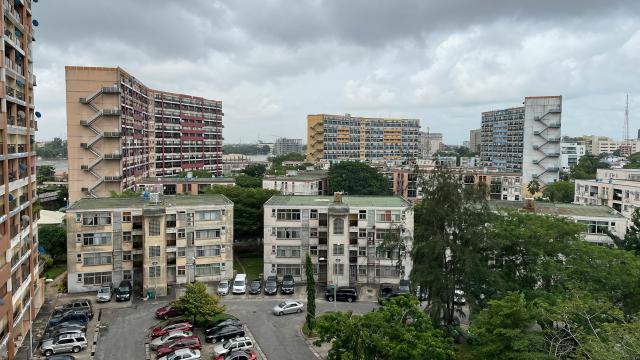
Extreme overcrowding is one of the greatest causes of fires
in slums spreading very fast. The populated areas are usually constructed in
little land, and thus, the families erect their houses closely enough to each
other. Narrow streets, common walls, and close-packed buildings leave the
circumstances of a small fire burning dozens of houses in several minutes. In
2025, urban studies still draw attention to the fact that population density in
slums can reach up to ten times that in the planned residential regions. Such a
density complicates evacuation and does not allow emergency services to reach
affected areas in time.
Overcrowding also
means that there is sharing of cooking and electrical areas thus higher chances
of accidents. Innovative urban design solutions, including the spacing that is
to be planned in the course of slum upgrading projects, safety corridors agreed
upon by communities, and firebreak zones should be applied to fire prevention
in such condition. Current developments indicate that the cities are now
considering incremental upgrading methods, instead of evictions, and this
enables safer designs whilst keeping the community connected.
Unsafe Housing
Materials
Another significant source of fire risk is the materials
that are used to construct homes in slums. Most of the buildings are made of
materials that are highly flammable including wood, plastic sheets, cardboard,
bamboo and scrap metal. The reason behind the selection of such materials is
that they are inexpensive and easy to get, although they contribute greatly to
the intensity and propagation of fire. Over the recent years, these materials
have become even more flammable due to the heat waves that are as a result of
climate change. The recent disaster resilience reports of 2024 indicate that
the fires in the slums are burning much faster and with greater intensity as
compared to the decades past.
The best way to
prevent these threats is by encouraging low costs of fire resistant materials,
e.g. treated bamboo, compressed earth blocks, and recycled fire retardant
materials. Micro-subsidies and green construction projects are becoming more
and more tried out with governments and NGOs trying to create safer building
methods without straining the finances of people.
Unlawful and
defective electrical connections.
Malfunctioning electrical systems continue to be one of the
major causes of slum fire. Because of the unavailability of electricity through
legal means, most residents use illegal connections, overloaded wires, and
improvised extensions. These hazardous installations tend to short circuit
particularly at the most time of peak load or during extreme weather
conditions. Electric loads will become more significant in the year 20242025
due to the use of more electrically powered gadgets, electric fans, and mobile
charging stations.
The focus of fire prevention today is on electrification
programs at the community level whereby they offer safe, legal and affordable
power connections. The new technologies of Smart meters, prepaid electricity,
and solar micro-grids are the developing trends that decrease fire risks and
promote energy access. Awareness programs on proper use of electricity are also
showing results where infrastructure is also being upgraded.
Open Flame and
Cooking Practices.
A daily need in slums is cooking and a great source of fire.
Most of the households use open fires, kerosene, charcoal or wood-fired cooking
techniques, mostly indoors or in communal areas. The spilled fuel and
unattended stoves, as well as unsteady cooking structures are often the source
of fire. Health and safety studies indicate that cooking related fires
accounted one of the three leading causes of slum fires in the world in 2025.
Efforts aimed at prevention are more directed to the clean cooking solutions
including, the enhanced biomass stoves, LPG access programmes and the solar
cookers.
Governments and international agencies are also associating
fire prevention and prevention with clean energy and health programs as it has
been realized that safer cooking minimizes fire hazards as well as respiratory
diseases. Fire safety stands are also being introduced in settlements which are
overpopulated and community kitchens are here.
Inadequacy in
Firefighting Infrastructure.
Slums normally do not have proper firefighting equipment,
such as fire hydrant, water supply systems and accessible roads. In the case of
fire outbreaks, inhabitants have to use buckets, scarce water supplies or
delayed emergency services. Most settlements have narrow streets and informal
designs that do not allow the fire trucks to access them.
Modern resilience plans of cities focus on decentralized
measures of firefighting, including community water tanks, portable fire
extinguishers, and volunteer fire brigades training. A number of cities have
initiated drone-based fire detection and early warning systems in high-risk
areas of informal settlements in 20242025. The technologies enable quicker
response and the minimization of damages. The enhancement of infrastructure
without disturbing the people is one of the main areas of contemporary slum safety
planning.
Climate Change and
environment factors.
Climate change has only heightened fire hazards in slums
through the rise in temperature, lengthening of dry seasons and the emergence
of more frequent heat waves. Urban slums that are found in the areas
surrounding industrial centres, forests or rubbish dumps are at increased risk.
According to the climate adaptation reports, in 2025, fire cases in prone urban
centers increase substantially during extreme weather conditions.
The air can easily
lick the flames of the tightly packed buildings. Fire prevention also meets
climate resilience planning such as urban greening, heat mitigation plans and
better waste management. Slum upgrading is currently being incorporated with
fire-resistant landscaping, improved drainage systems and shaded community
areas. The long-term safety requires the reduction of the environmental risk in
addition to the structural weaknesses.
Limitations in
Awareness and Fire Safety Education.
Ignorance about the risk of fire is also a major contributor
to repetition of events in slums. Most of the residents lack knowledge of
general prevention measures, emergency management strategies, and evacuation
strategies. This problem is aggravated by language barriers, low literacy
levels and access to information. The recent developments in 20242025 indicate
the transition to community-based education programs based on visual tools,
mobile apps, and peer educators.
The non-governmental organizations are opting more to use
local leaders and youth volunteers to disseminate fire safety information. Fire
drills, demonstration workshops and culturally sensitive communication have
been effective regularly. Providing residents with knowledge also changes them
into active risk managers rather than passive victims.
Gaps in policies and
governance issues.
Poor administration and policy loopholes are very crucial in
supporting fire hazards in slums. The informal settlements are often not
included in the formal city planning mechanisms and thus the safety rules,
investment in infrastructures and emergencies are not offered to them. By 2025,
urban policy analysts will point to inclusive models of governance that will
define slums as an integral component of the cities.
The fire prevention
policies are currently being incorporated in more comprehensive housing, health
and disaster management strategies. The new trends are the public-private
partnerships, risk mapping based on data, and participatory planning. The more
practical, accepted and sustainable fire prevention strategies are adopted when
residents are integrated in the decision making process.
Community-Based
Prevention and Technological Innovations.
One of the best measures that can be used to mitigate fire
risks in slums is community participation. When given the necessary equipment
and trained, residents know their local hazards more than the outside
authorities and can react much faster. In 2024–2025, the use of low-cost
technologies in the informal settlements like smoke sensors, mobile alerts
systems, and AI assisted risk mapping, will gain more usage by using
smartphones to communicate and report a risk.
Shared safety
equipment and infrastructure is also being funded by community savings groups.
The resilience of the systems formed by combining grassroots action and modern
technology saves lives and property. Fire prevention can only be sustainable
when communities are empowered and when there is the use of innovation.
Contribution of Waste
Accumulation and poor sanitation.
The waste accumulation is also a frequent cause of fire in
slum settlements, which is ignored often. The accumulation of garbage that
consists of plastics, paper and cloths and organic waste forms the most
combustible environments particularly during dry seasons. In most slums, the
waste collection systems are infrequent or missing and residents have to burn
the trash as a waste disposal measure. These small and controlled fire
outbreaks often end up being uncontrollable owing to the wind and closeness to
houses. The latest urban environmental research in the year 2024 points out
that the informal settlements close to the landfills or open dumping sites are
at a greater risk of fire incidents.
Sanitation infrastructure is also very poor, and hence the
drainage systems become congested and the water stagnant, making fighting the
fire more difficult due to limited movement and access. Strategies in waste
management, such as community-based recycling, regular waste collections and
waste-to-energy pilot projects, have become part of fire prevention efforts.
Cities are coming to appreciate the fact that sanitation and garbage systems
should be improved not only to increase population health but also lessen the
chances of fire. The mitigation of fire hazards around the wastes would involve
the collaboration between the municipalities and the residents to make the
living environment cleaner and safer.
Economic
Vulnerability and Inability to Invest in Safety
Poverty is a key factor in fueling fire in slums. The
majority of the population is employed on hourly wages and does not invest in
long-term safety, as they do not have confidence in the safety of their homes.
Fire extinguishers, safer stoves, electrical rewiring and fireproof building
materials are considered as luxuries that people cannot afford. According to
social protection reports, the vulnerability to disasters in informal
settlements is directly related to financial insecurity in 2025.
Households lack insurance, savings or access to credit and
therefore are unable to rebuild their homes fast following the fire resulting
in the repetitive use of the same hazardous techniques. The recent trends are
encouraging in the areas of microfinance programs, community savings groups and
conditional cash transfer with a special aim of disaster risk reduction. Other
cities are experimenting with fire safety loans and subsidies where households
can slowly enhance safety features. Enhancing economic resilience is being
considered the fundamental aspect of fire prevention, which guarantees the
residents the means and motivation to pursue less risky initiatives.
Urban Migration and
Rapid Expansion of Informal Settlements
The increasing slums population is continuously growing due
to rapid urban migration, which puts more fire hazards in the growing cities.
With the hope of finding jobs, education and improved living standards, people
move to cities, only to be pushed into informal settlements by lack of
affordable housing. The hasty and spontaneous growth leads to development of
bad layout of neighborhoods with little thought of fire safety. Based on the
trends of urbanization, which are projected to occur between 2024 and 2025,
most of the slums are constructed in the middle of the night without any
regulation or risk evaluation.
Temporary shelters can easily transform into permanent
housing without improvements and this ties communities into hazardous
situations. The focus of fire prevention has been to put greater attention in
being proactive such as the identification of the emerging informal settlements
and incorporation of the fundamental safety provisions at the initial stage
itself. Governments and development organizations are embracing data-driven
city surveillance systems, satellite images, and AI-based growth forecasting systems
to control growth risks. To tackle fire risks associated with migration, the
policies should be long-term housing, inclusive urban development, and consider
the needs of migrants as the core of city resilience.
Importance of Early
Warning Systems and Emergency Preparedness
Early warning mechanisms and emergency preparedness are very
important in mitigating the loss caused by fires in slum communities.
Uncoordinated response mechanisms and delayed detection of fires tend to result
in a rapid escalation of the fires. The awareness of fires is not timely in
most informal settlements, and the inhabitants only recognize the fire when it
becomes rampant. As of 20242025 place more emphasis on cheaper, more
community-based early warning systems, such as battery-powered smoke detectors,
cell phone alert systems, and solar-powered sirens. In certain cities, there
are introduced AI-supported fire risk monitoring systems that can examine
temperature, wind patterns, and the density of settlement locations to forecast
the high-risk timeline.
Emergency preparedness also includes the training of
residents on evacuation procedures, first respond firefighting as well as basic
lifesaving methods. Frequent exercises and well-designated emergency exits
greatly enhance emergency survival. There is a growing incorporation of fire
preparedness with other disaster risk reduction activities by both
non-governmental organizations (NGOs) and local governments. Enhancing early
warning and preparedness does not just preserve lives but also provides effective
and rapid response of communities to mitigate the effect on the communities in
the long run.
Conclusion
The causes of fire risks in slums are not accidental: they
are caused by inequalities in systems, inadequate conditions of living, and
inability to consider the needs of the whole city in the development strategy.
With the ever-increasing growth of cities, the need to deal with these risks
has never been more pressing than it is today. The most recent trends in the
world focus on the prevention using the safer materials of housing, the access
to clean energy, resilience to climate, the community education, and the smart
technologies.
However, most importantly, to achieve good fire prevention
in slum societies, there has to be a good coordination between governments,
NGOs, the private sector, and the residents themselves. With all stakeholders
collaborating solutions will be more viable, inclusive, and sustainable. Cities
should also come to accept informal settlements as part and roll components of
urban settings and not a transient issue, and make arrangements.
Authorities can mitigate the risks by investing in
appropriate community-based fire safety strategies that will ensure the
livelihood and social networks are maintained. The safety and disaster
management concern of protecting slum communities against fire, but more so,
dignity, equity in the social development of the slum communities, and
long-term sustainable urban development.



















LEAVE A REPLY