

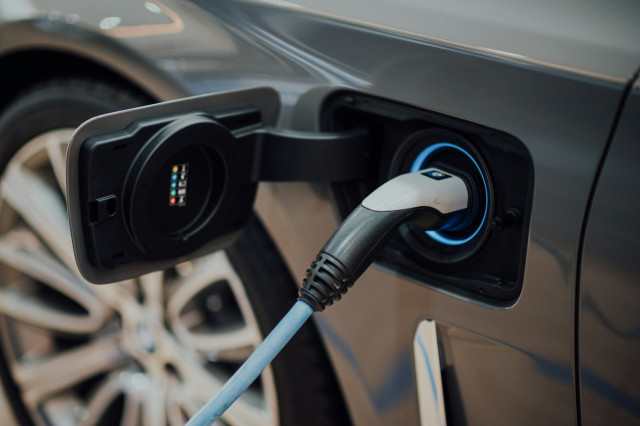
Electric Vehicles in Cities: Reducing Urban Carbon Footprints
Rapid urban growth of cities worldwide produces increased pollution and congestion together with elevated carbon emissions from traditional gasoline-powered vehicles.
Due to rising climate concerns together with airborne pollution the electric vehicle (EV) presents itself as an effective method for decreasing urban emission rates.
Electric transportation plays two essential roles in modern city sustainability because it generates cleaner air and diminishes greenhouse gas emissions.
The Environmental Impact of Traditional Vehicles vs. Electric Vehicles
Internal combustion engine (ICE) vehicles operating traditionally serve as major polluting agents within cities.
The emissions from transportation operation include carbon dioxide (CO₂), nitrogen oxides (NOx) along with particulate matter (PM2.5) that both cause poor air quality and respiratory diseases.
Excessive fuel use in congested traffic environments manufactures additional pollutants because of the traffic system in cities.
Electric vehicles operate without producing exhaust emissions thus decreasing the pollutants responsible for polluted urban air.
Switching from gasoline vehicles to electric vehicles in cities allows communities to achieve major reductions in carbon emissions and enhances public health as well as fighting climate change.
Studies establish that electric vehicles reduce their total lifecycle emissions by 50% relative to regular vehicles whereas electricity production is taken into consideration.
The environmental advantages of EVs must be assessed based on the type of electricity utilized to recharge these vehicles.
Electric vehicle adoption cannot lead to maximum emission reduction benefits in countries using coal and fossil fuels to power their electricity grid.
To reach maximum environmental sustainability of electric vehicles we need to integrate wind power and hydroelectric power together with solar power generation into the electric grid.
Challenges and Opportunities in Expanding Electric Vehicle Adoption in Cities
Electric vehicles continue to attract many users because of their advantages however their growing popularity in urban areas encounters multiple obstacles:
The initial cost of buying an EV surpasses conventional gasoline-powered vehicles although drivers save money in their operational expenses.
Electrical battery technology advances daily but high initial prices remain a problem for consumers to afford new vehicles.
Metropolitan areas require many charging stations throughout their territories for successful electric vehicle adoption.
To boost EV adoption the electric vehicle infrastructure requires fast-charging stations in addition to home charging options and workplace access to electric vehicle charging.
The rising number of electric vehicles in use will increase the total requirements of electricity for the power grid.
For a sustainable electric power supply cities should develop smart power grids and integrate renewable energy systems.
The sustainability concerns surrounding EV batteries arise due to their lithium cobalt mineral components which create depletion risks and environmental effects.
To build an efficient battery recycling system and find alternative battery designs the world needs to focus on now.
The growth of electric vehicles will be supported through public policies combined with government financial benefits along with technical progress in the field.
Worldwide cities now offer financial help in forms of incentives taxes and subsidies to reduce EV purchase costs.
Auto industries dedicate funds toward developing better power cells to enhance EV driving capabilities as well as improving charging speed efficiency so city dwellers can easily use electric vehicles.
The Role of Smart Urban Planning and Public Transport Electrification
Cities require modernized transportation systems which will lead to complete advantages from electric vehicles.
Public transportation electrification and individual EV adoption make up the complete scope of this change. Some key strategies include:
Urban emissions decreased substantially in Shenzhen China because the city implemented full electric bus fleet operation throughout its public transit system.
Supporting electric buses along with electric taxis and expanding shared mobility systems helps lower traffic congestion and improves environmental quality.
Several cities continue to establish boundaries like low-emission areas as well as car-free zones which give electric vehicles and walking priority to promote cleaner environments.
Through smart traffic management systems that integrate AI technology together with IoT-based monitoring devices cities can establish more efficient transport routes and reduce congestion and promote environmentally-smart mobility.
The use of renewable energy through solar-powered charging stations together with energy-efficient grids preserves EV emissions reductions in a meaningful way. T
he incorporation of electric vehicles into cityscape development and transportation programs helps cities transition towards pollution-free sustainable development while decreasing highway traffic problems.
Electric Vehicles in Cities: Reducing Urban Carbon Footprints
Urban areas today experience fast-paced adoption of electric vehicles (EVs) which serves as cities' approach to establishing sustainable solutions against air pollution as well as carbon emissions and climate variation.
The substantial urban pollution caused by traditional gasoline-powered vehicles motivates the acceptance of EVs which represent clean and energy-efficient options.
The complete adoption of EVs throughout cities depends on financial benefits together with sound infrastructure development along with smart mobile system connectivity.
The discussion below examines economic incentives alongside infrastructure planning as well as establishes the transformations taking place in urban transportation because of electric vehicles.
The Economic Benefits of Electric Vehicles for Urban Development
The dual benefits of electric vehicles include environmental sustainability together with economic benefits toward sustainable city development.
Electrification of transportation offers the chance to create new employment opportunities and allows people to spend less on transportation and healthcare expenses because of decreased pollution-related illnesses.
Consumer-operating expenses decrease when they use electric vehicles since these vehicles need lower maintenance and consume less fuel than internal combustion engine (ICE) vehicles.
Driving one mile using electricity costs far less than driving with gasoline which results in overall financial savings to consumers.
Government programs use tax credits together with incentives in the form of subsidies to boost EV adoption.
Government programs that lower the costs of EVs increase market penetration among diverse consumers.
The EV industry creates fresh job positions through its manufacturing of batteries and renewable energy programs as well as the development of EV infrastructure.
The manufacturing of EVs creates economic opportunities and drives technological improvements across the board for countries behind this production.
People experience reduced healthcare expenses because traditional vehicle air pollution creates lung diseases as well as heart-related illnesses and other medical problems.
The adoption of EVs enables cities to decrease transportation pollution which leads to decreased healthcare payments while delivering better health benefits to city residents.
The transition towards renewable energy for EV charging provides nations independence from global petroleum markets for their energy needs.
Such measures create both improved power reliability and stimulate home-based economic growth.
Overcoming Infrastructure Challenges: Building a Sustainable EV Ecosystem
Electric vehicle adoption on a mass scale requires both effective charging stations across various locations and intelligent energy grid developments.
The adoption of EV vehicles will struggle in cities when adequate support systems are not present.
Many city inhabitants lack both private home charging stations and exclusive access to private garages which restricts their utilization of electric vehicles.
Businesses and governments need to collaborate on establishing public charging stations which should serve working environments as well as public sections and residential buildings.
The combination of EVs with renewable energy sources results in maximum environmental benefit since using electricity from coal or fossil fuels does not achieve these benefits.
Municipalities need to blend solar power with wind power and hydroelectric energy in their charging stations for green energy-based operations.
Smart Grid innovations will face growing stress because of the rising number of electric vehicles on urban power grids. .
The essential infrastructure requirement for maintaining power grid stability becomes smart grids which have the capacity to harmonize electrical power consumption with energy storage capabilities and intelligent charging administration.
The extraction process of lithium and cobalt together with other minerals from EV batteries creates pressing sustainability problems along with harmful effects on the environment.
Researchers investigating battery recycling methods plus the usage of secondary applications and substitute materials will direct future progress toward sustainable EV technology.
EV infrastructure solutions will enable cities to develop a complete network which supports continuing toward carbon-free transit systems.

Future Trends in Urban Mobility: The Role of EVs in Smart Cities
Smart urban environments will depend on electric vehicles to define their evolution since they drive the future development of urban mobility.
AVs coupled with digital technologies and shared mobility infrastructure will create new patterns of citywide vehicle and goods transit.
Autonomous Electric Vehicles offer three major benefits: they minimize accidents while improving traffic efficiency and fuel efficiency in urban settings.
Multiple automotive companies including Tesla and Waymo along with main automakers focus their investments on AI-controlled vehicle automation systems.
Electric ride-sharing solutions from Uber Green and Lyft Electric will offer people more sustainable transportation options.
Electric bikes together with scooters have emerged as modern transportation options for city residents who need to travel small distances.
Upcoming electric vehicles through Vehicle-to-Grid (V2G) Technology will act as both power consumers and grid power suppliers when they have excess energy.
The two-way energy transmission between consumers and suppliers creates conditions for cities to optimize utility demands while avoiding power system failure.
Urban Air Mobility (Electric Flying Vehicles) promises to change city flight services through electric vertical takeoff and landing (eVTOL) vehicle development by Airbus, Joby Aviation, and Volocopter.
Smart Cities will connect EVs to traffic management systems as well as AI-based parking solutions along with real-time navigation apps to develop an integrated seamless intelligent transportation system.
The outlook for electric vehicles in urban traffic involves developing new visionary systems that combine efficiency with sustainability and technological progress.
The Role of Policy and Regulations in Accelerating EV Adoption
Cities adopt electric vehicles (EVs) on a wide scale because of existing government policies coupled with regulatory frameworks.
Policies designed for strength provide two main benefits through EV purchase incentives and infrastructure improvement and clean energy technology investment support.
Progressive EV policies executed by nations and cities have triggered major changes in the direction toward sustainable urban transportation systems.
1. Financial Incentives for EV Buyers
Various national and international governments support EV affordability through financial initiatives.
These include:
- Tax Credits and Rebates offer governments from different nations to subsidize electric vehicle purchases by exempting buyer taxes. The U.S. provides federal tax credits that reach $7,500 for electrical-vehicle purchasers yet Norway delivers maximum freedom from EV sales taxation.
- Electric car owners benefit from cities that decrease their vehicle registration costs as an incentive to motivate EV adoption.
- The public gets access to low-interest loans along with leasing options which financial institutions and governments supply.
These incentives improve EV financial attractiveness which drives customers to abandon gasoline-powered vehicles.
2. Investments in EV Charging Infrastructure
The slow adoption of EVs faces a crucial challenge because of insufficient charging stations throughout the market.
The main function of governments includes:
- Cities need to create public fast-charging posts throughout urban areas and as well as in highways along with workplaces and residential zones. The governments of China together with the Netherlands and the United Kingdom actively pursue the construction of thousands of public EV charging spots across their national territories.
- A building standard should require all new constructed residential units together with commercial facilities to integrate EV charging stations.
- Governments provide grants or tax benefits as part of their subsidy program for natured homeowners and businesses to build private EV charging infrastructure.
A well-built charging network enables EVs to become effective options for city residents who no longer need to worry about battery depletion.
3. Zero-Emission Vehicle (ZEV) Mandates
Numerous towns together with countries now enforce ZEV mandates which compel car manufacturers to fabricate and retail specific amounts of vehicles that generate no air pollution.
For example:
- Under California’s ZEV Program automotive manufacturers need to sell ZEV vehicles including battery electric vehicles and hydrogen fuel cells and plug-in hybrids as a percentage of their total sales volume.
- The European Union Green Deal proposes to eliminate sales of gasoline and diesel cars starting from 2035 because it targets electric mobility development.
- Car manufacturing companies must focus more on EV manufacturing due to governmental mandates which also require the removal of ICE vehicles from production.
4. Low-Emission Zones and EV-Friendly Policies
Urban areas across the world have started developing regulations which give electric vehicles a priority advantage over conventional gasoline-powered vehicles.
Some examples include:
- Certain metropolitan areas like London and Paris along with Berlin enforce low-carbon or zero-carbon zones which restrict traffic to hybrid and electric vehicles to decrease city air pollution.
- Cities grant EV drivers free parking along with special lane privileges that enable access to bus and carpool lanes.
- The governments of Norway together with the U.K. and France have made official declarations about prohibiting gasoline and diesel vehicle sales during the 2030–2040 period.
Urban carbon footprint reduction will speed up because cities adopt these specific policies to promote EV adoption.
5. Encouraging EV Adoption in Public Transport and Fleets
Public transportation services receive electric power upgrades from governments together with corporations who operate these fleets.
- Shenzhen China transformed all its local bus service to electric operation. Different municipal areas provide financial support to taxi operators who transition into electric vehicle operations.
- Cities are now changing public vehicular fleets in official municipal use by installing electric alternatives to gasoline-powered vehicles.
- Amazon and UPS and FedEx alongside other delivery enterprises invest in electric delivery vans to minimize their carbon emissions.
Factories should electrify all municipal vehicles and commercial public transport to decrease greenhouse gases and city air pollution levels.
For electric mobility to gain speed governments must enact proper policies along with regulatory measures.
An appropriate framework enables cities to construct a transport system which delivers both sustainability and environmental cleanliness.
Challenges and Misconceptions about Electric Vehicles in Urban Areas
The widespread adoption of electric vehicles faces hurdles because people hold common misunderstandings about electric vehicles which delay their growth.
The public continues to hold concerns about EV pricing, driving limitations, charging infrastructure and environmental friendliness because they hold onto old information which is no longer correct.
1. Misconception: EVs Are Too Expensive
The majority of prospective EV buyers worry about the vehicles' initial purchasing cost.
The initial cost disadvantage of EVs against gasoline cars disappeared because of:
- The price of lithium-ion batteries declined more than 85% since 2010 which reduced the overall cost of EVs.
- Public agencies offer rebate programs and tax benefits combined with fees at lower levels to bring EV prices closer to those of traditional gasoline vehicles.
2. Challenge: Limited Charging Infrastructure
The concern about finding available charging spots stops many potential EV buyers from making purchasing decisions.
Some major barriers still exist to expand charging networks despite the industry's current growth.
- The majority of cities lack enough fast-charging installations.
- The process of electric vehicle recharging takes longer than gasoline vehicles require for refueling.
Governments together with private companies hasten the expansion of charging networks by installing ultra-fast charging solutions which lower the time required to recharge to between 15 and 30 minutes.
Conclusion
Urging cities to adopt electric vehicles represents a fundamental advance that helps lower their carbon emissions quantities while protecting the environment.
Going forward we need to invest in both public EV charging systems accompanied by renewable energy solutions while receiving government backing to push electric vehicles toward widespread adoption.
The combination of electric transportation development along with urban planning strategies effectively decreases urban congestion while lowering emissions to benefit city dwellers.
Urban development worldwide benefits from electric vehicles and sustainable energy practices to transform transportation systems toward healthier sustainable urban environments.
Also read: Smart Parking Solutions for Affordable Housing: Reducing Congestion with IoT
















LEAVE A REPLY