

Dharavi Slum Tourism: Ethical or Exploitative?
Asia’s largest slum Dharavi draws tens of thousands of tourists globally each year through its status as an important site for slum tourism.
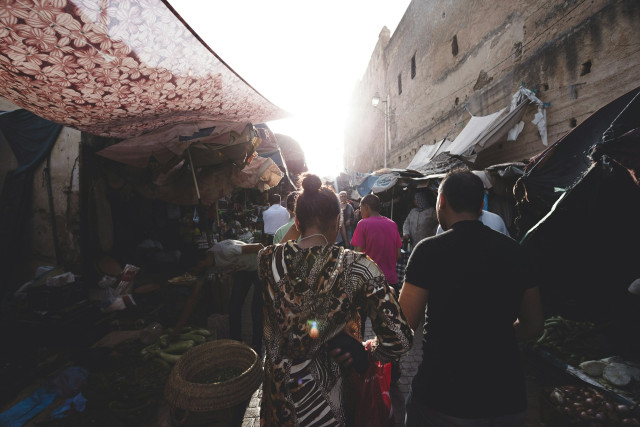
Every year numerous world travelers participate in guided tours that lead them through cramped Dharavi locations where they can view the distinctive arrangement of its residents.
Slum tour supporters believe these tours educate people while generating job opportunities and dispelling slum misperceptions.
Several critics object to slum tourist operations by claiming they transform poverty into a commercial product that intrudes upon citizen privacy.
Through investigating both sides this write-up establishes whether Dharavi slum tours operate ethically or they function as exploitative events.
The Appeal of Dharavi Slum Tourism
Tourists visit Dharavi because the area displays remarkable characteristics of perseverance and business initiative along with communal social practices.
People who visit slums do so because they want to recognize the slum experience which extends past movie and media stereotypes.
Dharavi disproves conventional beliefs about slums because this community supports a dynamic economy based on pottery manufacturing mixed with leather production along with recycling operations that include textile businesses.
During slum tourism visitors have the chance to observe how residents of Dharavi operate between work and daily activities while they remain dedicated to their lives.
Many Dharavi visitors develop greater social awareness about inequality which leads them to fund charitable causes that help slum residents.
Tour operators maintain that Dharavi tours directly support local employment because numerous businesses based in Dharavi use community members for guiding roles as well as translation and cultural connections.
The revenue streams enable community members to benefit first-hand rather than flowing toward multinational corporations.
The income earned from ethical tourism providers goes toward supporting education programs and health projects and small business expansion in Dharavi.
Slum tourism managed properly generates beneficial outcomes for residents who receive economic benefits from seeking the interest of tourists.
The Exploitative Nature of Slum Tourism
Dharavi slum tourism has raised both appreciation and controversy because its practice leads visitors to observe human hardships while reducing authentic people to tourist attractions.
Some people consider observing residents within poor neighborhoods similar to observing animals on safaris to be morally wrong.
Visitors feel insecure because Dharavi's residents experience their life difficulties in daily life instead of having the status of cultural heritage sites.
A large amount of profits derived from slum tourism fail to reach the actual slum dwellers.
Numerous international as well as local slum tourism operators contribute very small amounts to the improvement of Dharavi.
The companies that declare investment in community projects execute only limited projects which fail to bring meaningful improvements to sanitation or healthcare or education in the area.
Privacy is another major issue. Conference-goers frequently record videos and photographs of Dharavi people without permission to distribute those files publicly through social media.
External documentation of Dharavi residents' difficulties without thorough understanding of their life circumstances has negative impacts on their dignity and creates ethical issues regarding exploitation.
Since Dharavi residents possess no means to exclude themselves from tourist visits the tour experience reinforces visitor supremacy over people being observed.
Some voyagers engage in slum tours for genuine educational purposes and to make beneficial contributions while others see the experience as entitlement or a diversion and visit for novelry.
People who approach Dharavi with this belief downplay the root systemic poverty and neglect its fundamental economic inequality factors while turning it into an entertainment attraction alone.
The Role of Responsible Tourism in Dharavi
Due to ethical concerns about slum tourism there exists the possibility to manage this practice responsibly through ethical approaches.
Dharavi-based NGOs together with other organizations support responsible visitor management methods which both help communities and preserve citizen dignity along with privacy rights.
The practice of slum tourism becomes ethical through local ownership of the management system.
Businesses based in Dharavi should lead admission activities so community members directly receive tour revenue thereby turning tourism into an empowerment vehicle instead of an exploitative instrument.
The practice of tour guiding by Dharavi residents creates both authentic tours that avoid exploitation by offering their personal narratives.
Another crucial aspect is transparency. Tour operators should establish open practices that show customers what portion of their profits supports community improvement initiatives and local school development and sanitation projects.
Ethical tourism operators join forces with local non-governmental organizations together with self-help groups to finance programs which actively support community members' health and wellness.
The focus of genuine slum tourism should lie in providing educational experiences over eye-catching attractions.
Dharavi tours need to stop just showing poverty as their main attraction because visitors should witness the industries and creativity of its residents together with their successful stories to challenge conventional thinking about destitution in slums.
Dharavi entrepreneurs prove their business success by working with limited resources which reveals a truthful portrayal of Dharavi.
Dharavi visitors need to demonstrate ethical behavior when exploring the settlement. The practice of refraining from unauthorized photography in addition to constructing meaningful dialogue with local residents while upholding neighborly boundaries will produce major differences.
The combination of supporting local social enterprises together with product purchases benefits residents in the Dharavi tourist sector.
The Future of Slum Tourism in Dharavi
Slum tourism's ethical status versus its exploitative nature will probably stay contested while Dharavi's slum tourism direction will determine its future development.
With industry progress toward community programs supported by ethical operations and increased openness the slum tourism sector can become the benchmark example for responsible development in disadvantaged areas across the world.
The development of ethical tourism depends heavily on government administrative oversight.
Authorities should establish official regulations which require tourism companies to participate in Dharavi’s progress by making monetary donations and carrying out building projects alongside employment creation.
Ethical tourism certifications given to businesses practicing fair tourist practices would assist travelers in selecting moral tours and tour operators.
Technology alongside virtual tourism creates opportunities to promote ethical growth between curiosity and responsible behavior.
The use of virtual reality technologies enables visitors to explore industries and encounter business owners and ordinary residents while learning about daily life routines directly from their homes while avoiding any disruption to Dharavi.
The procedure provides awareness and education about the site without allowing visitors to disrupt the way traditional tours would.
A partnership between Dharavi schools and local universities should work towards transforming the approach of slum tourism.
International students and researchers should engage in direct benefit programs for Dharavi youth through collaborative learning activities which combine workshops with exchange programs and practical skill training.
Washington will attain lasting success with slum tourism by transforming exploitation into a meaningful collaborative practice that respects the communities and their inhabitants.
Observation of Dharavi should be replaced with meaningful community engagement that focusing on elevation of its population instead of merely tapping into voyeuristic behavior.

Impact of Slum Tourism on Dharavi’s Economy
The economic impact of slum tourism on Dharavi includes beneficial and unfavorable consequences.
The tourism sector now provides jobs to both guided tour operators and proprietors of small shops and artistry businesses which serve touristic customers.
Visitors who enter Dharavi purchase handmade items from its micrometer industries which include pottery products along with leather goods and recycling and textile manufacturing sections.
Local economic growth together with entrepreneurial activities in Dharavi result from these social exchanges.
The monetary advantages linked to slum tourism do not reach citizens with equal distribution.
Touristic operations based away from Dharavi steal a major portion of the profit which fails to support the residents of the community.
The organizations which promise to donate profits for Dharavi development maintain unclear systems about profit distribution to local community needs.
When regulation for slum tourism is absent with improper profit sharing mechanisms the industry could develop into a model that benefits companies more than the local people who inhabit the slums.
Part of the slum tourism industry brings prosperity to some businesses but it produces costs that increase and creates potential gentrification dangers for others.
Higher prices resulting from increased attention on Dharavi would make the area less affordable for residents as well as challenging for them to maintain their businesses.
A structured method needs implementation to guarantee Dharavi residents receive the most direct financial gain from slum tourism rather than touring operators capturing the profits.
Changing Perceptions: From Stereotypes to Reality
Impact of Dharavi slum tourism mainly results from its ability to transform public understanding of urban destitution.
Slum tourism guides show visitors opposing facts than those shown in media since they discover Dharavi as an area where its residents show persistence and cultural diversity and economic progress while maintaining close bonds among residents.
The experiences expose false beliefs about slum residents and demonstrate how Dharavi people demonstrate their ability to defeat adverse situations.
The improper management of slum tourism gives rise to negative stereotypes of slum communities.
The majority of Dharavi tours ignore the prosperity of the community by overlooking its active business sector and cultural heritage.
A single-dimensional representation of Dharavi creates a misunderstanding about this community as fully devoted to suffering instead of their existence as a prosperous and independent economic system.
Tourism should be managed responsibly by showing all aspects of Dharavi, including both its poverty issues alongside its accomplishments.
Visitors should participate in authentic dialogues with residents, along with promoting the growth of local companie,s while acquiring knowledge about the region's comprehensive economic and social elements in Dharavi.
Done properly, slum tourism changes how people think about poverty worldwide and helps them understand human survival in cities in a more complex manner.
Ethical Tourism: How to Make a Positive Impact
The ongoing discussion about slum tourism morality requires that tourism activities in Dharavi should ensure both benefits for residents as well as sustainable ethical standards.
Ethical tourism upholds the practices of honoring dignity and being actively involved instead of practicing exploitive tactics.
Visitors should consider the way they approach community members together with the long-lasting effects of their presence.
Ethical tourism must maintain two essential points which include gaining consent and preserving privacy rights.
The practice of photographing residents without their permission or consent should be banned for visitors to Dharavi.
Millions of people reside in Dharavi which functions as their home so the residents should not become a subject of public displays.
Tour operators practice ethical operations through educational-based experiences that let residents feel capable rather than performed as objects.
The economic value stands as a basic key consideration. Instead of funding profit-oriented foreign tour operators tourists should allocate their monetary contributions to local companies or independent community projects.
Organizations operating according to ethical and NGO principles use their profit from tourism activities to invest in local educational, health-related and infrastructure projects within Dharavi.
People benefit the local community by selecting organizations that practice ethical tourism against those engaged in exploitation.
Appealing for support and raising public knowledge stand as essential elements.
People who learn about Dharavi's varied social structures at the tour should work to dismantle incorrect slum beliefs while lobbying for improved living standards through pertinent policy revisions.
Ethical tourism exists to help people learn and show compassion while creating social progress instead of being limited to recreational activities alone.
The Role of Media in Shaping the Narrative of Slum Tourism
The media functions as an influential force which shapes public understandings about slum tourism since it determines various perspectives regarding Dharavi along with global urban slums.
Many media outlets present slum tourism differently through news reports and documentaries and social media and travel blogs where some discuss economic and educational advantages but some others condemn it as unethical poverty exploitation.
Media representation power enables proper evaluation between slum tourism's exploitative nature and its ethical characteristics.
One principal medium-based impact on slum tourism happens due to sensationalized reporting practices.
Travel documentaries and news broadcasts repeatedly showcase slum poverty together with crime and unclean status to maintain an image of enduring suffering and despair.
The actual strengths of Dharavi residents are typically missed when mass media presents a narrow view of their operations.
Such an oversimplified viewpoint enables tourists to only see Dharavi as a destination for observing misfortune because it prevents them from interacting with local inhabitants and learning about their entrepreneurial accomplishments and enduring spirit.
Some media channels share genuine narratives about Dharavi residents as part of their efforts to present slum tourism experience in a humanized manner.
Numerous journalistic professionals choose to work directly with Dharavi residents by showing their local entrepreneurial projects and creative cultural activities along with neighborhood-driven advancements.
Positive stories about Dharavi highlight the belief that it serves as a space where people thrive through innovative thinking while disproving stereotypes of slum living.
Slum tourism ethics become more complicated because of the presence of social media.
Fearless visitors document Dharavi in their online platforms including Instagram YouTube and TikTok while disregarding the private life of its neighborhood residents.
Some social media posts focused on Dharavi draw attention to urban poverty and social problems yet other content treats Dharavi people as a form of entertainment.
Tourism ethics problems emerge because visitors who snap photos of Dharavi families and daily scenes and residential spaces do so without proper permission thereby creating a "human zoo" atmosphere.
The powerful features of social media enable Dharavi residents to broadcast their authentic personal accounts through different platforms.
The local residents now promote their businesses and highlight communal problems and combat unfair Dharavi perceptions by using social platforms such as Facebook Instagram and YouTube.
The promotion of ethical tourism comes through social media as certain companies use these platforms to teach responsible visitors how they should engage respectfully during their travel experiences.
To achieve ethical slum tourism the media needs to present both Dharavi's challenges as well as its achievements in equal measures.
Papers and content production about Dharavi should focus on positive portrayals that empower its citizens as they should avoid using their struggles for financial gain.
The media should shift away from portraying only poverty in Dharavi because it should emphasize both solutions and residential storytelling and understand Dharavi residents' resilience.
Through transformative slum representation the media can convert slum visiting into an educational experience that drives social transformation instead of becoming a controversial object of fascination.
Conclusion
The phenomenon of visiting slums in Dharavi encompasses multiple levels of complexity and strong debate among experts.
Through slum tourism people gain economic prospects and fight stereotypes and become enlightened but the practice requires responsible management to avoid unethical issues.
The distinction between ethical engagement and voyeurism remains subtle so tourists and tour operators and policymakers must guarantee that Dharavi inhabitants directly profit from tourism benefits.
Slum tourism must offer more than simple viewing because it will only achieve true ethical change and transformation.
Active participation from visitors includes backing local businesses and push for better living standards and selecting operation companies that operate ethically.
Dharavi exists beyond its slum status because it maintains its own unique community where people display creative life and maintain sustainable livelihoods along with showing remarkable strength.
Tourists after their visit should retain more than snapshots because the experience should build their comprehension about poverty and human resourcefulness and responsible travel practices.
Slum tourism can use empowerment-based approaches to transform into a positive force which promotes stories about Dharavi with authentic dignity and respect.
Also read: Dharavi Slums: A Complete Guide





-3dkuLgKhRD.jpg)
-49HupTvwDD.jpg)



LEAVE A REPLY